Loading...
Loading...


Biography is a documentary television series. It was originally a half-hour filmed series produced for CBS by David Wolper from 1961 to 1964 and hosted by Mike Wallace. The A&E Network later re-ran it and has produced new episodes since 1987. The older version featured historical figures such as Helen Keller and Mark Twain, or long-dead entertainment figures such as Will Rogers or John Barrymore. The A&E series has placed the emphasis on such people as Marilyn Monroe, Elvis Presley, Plácido Domingo, Freddie Mercury, Jacqueline Kennedy Onassis, Eric Clapton, Pope John Paul II, Gene Tierney, Selena, Diego Rivera, Mao Zedong and Queen Elizabeth II, and fictional characters like The Phantom, Superman, Hamlet, Betty Boop, and Santa Claus. The program ended up profiling enough figures that in 1999, A&E spun it off into an entire network, The Biography Channel.
1992
He was a humble merchant who received revelations from the angel Gabriel. But the religion he founded is now viewed by many as an enemy of the Western world. One of the most influential figures in human history, Muhammad is a figure of inspiration and enlightenment to billions of people the world over. Yet countless others see the religion he created as a source of evil and instability. Go far beyond the headlines and into the sands of history with this thoughtful, probing portrait. Travel the lands where he is said to have walked, and hear from renowned scholars and spiritualists who illuminate the man at the heart one of the world's great faiths.
One of America's most famous chefs, Julia Child helped popularize the art of cooking with her best-selling selection of books, and a long-running PBS show, entitled The French Chef. Here, Child's story is told in a program from the Biography series. Although she came to the art of cooking late in life, Child found her passion and made a fortune from it. Her past life and subsequent successes are all chartered here, as friends and family talk warmly of their kitchen-bound colleague, making this a great overview of her life and work.
An intimate look at the life and career of the actor whose understated strength and moral clarity made him one of cinema’s most enduring figures. The episode traces Fonda’s Nebraska roots, his early stage work, and his breakthrough roles in films like Young Mr. Lincoln and The Grapes of Wrath, where his quiet intensity became his signature. Biography explores how Fonda’s reserved nature contrasted with the powerful characters he portrayed, and how his personal struggles — including complex family relationships and bouts of self‑doubt — shaped his work. Interviews with colleagues, critics, and members of the Fonda family illuminate his disciplined approach to acting and his late‑career renaissance with films such as On Golden Pond. The program paints a thoughtful portrait of a man whose integrity, restraint, and emotional honesty defined him as Hollywood’s quiet hero.
1997
From bootlegger to convict, to millionaire pornographer, to born-again Christian, to paraplegic gunshot-victim, Larry Flynt's life so far has been anything but ordinary. As the founder and publisher of Hustler Magazine Flynt broke new ground in porn publishing, offering filth and debauchery of a sort hitherto only imaginable. In his life Larry Flynt has always courted controversy, and along the way he's made himself the enemy of millions. But Larry Flynt always seems to come out on top. This comprehensive portrait follows Flynt from his dirt-poor Appalachian childhood to his surprising role as a poster-boy for First Amendment rights. Rare footage documents the defining moments in his life, from the launch of Hustler in 1974 to his landmark Supreme Court victory over Moral Majority head Jerry Falwell. In a moving interview, Flynt recalls his long and painful recovery from the assassination attempt that nearly took his life, and the tragic death of his wife. From selling moonshine to his dad to the controversial film that cemented his place in folklore, this is the controversial saga of Larry Flynt.
Celebrate the life and career of the larger‑than‑life character actor best known as the lovable, sharp‑tongued Grandpa Munster. The episode traces Lewis’s early years in New York, his eclectic path through vaudeville, radio, and stage work, and the distinctive personality that made him unforgettable both on and off camera. Biography explores how The Munsters cemented his place in pop culture, yet only hinted at his wide‑ranging talents — from political activism to restaurant ownership to his later work in film and television. Interviews with friends, colleagues, and family reveal a man who embraced eccentricity, championed social causes, and maintained a fierce loyalty to his fans. Ultimately, the program paints a warm portrait of an entertainer whose humor, heart, and unmistakable presence ensured he would always be remembered as “Grandpa,” but was so much more.
From the first boycott he organized in 1933 to his rise through the ranks of the Teamsters union, Jimmy Hoffa was a visionary labor leader whose mysterious 1975 disappearance left his legacy forever shrouded in mystery. In this captivating Biography, delve into the story of the young coal miner's son from Indiana whose natural-born leadership put him at the forefront of creating of one the most powerful unions of the 20th century. Hoffa's infamous mob dealings have been attributed to his rapid rise to power - as well as to his puzzling demise - while at home, according to interviews with son James P. Hoffa and daughter Barbara Crancer, he remained a loving father and husband. Footage from Senate committee hearings with rival Robert F. Kennedy, and home videos highlight the dual nature of one of America's most complex and controversial icons.
Explore the life of the disciplined, determined commander who helped shape America’s modern military identity. The episode traces Pershing’s rise from a Missouri schoolteacher to a respected officer whose early frontier service and leadership in the Spanish‑American War and the Philippines earned him national attention. Biography explores his pursuit of excellence, his strict standards, and the personal tragedies — including the loss of his wife and children — that forged his steely resolve. The program highlights Pershing’s pivotal role in World War I, where he insisted on maintaining an independent American force and led the American Expeditionary Forces to decisive victories. Through archival footage, letters, and expert commentary, the episode paints a portrait of a commander whose toughness, integrity, and strategic vision earned him the title “The Iron General,” leaving a lasting imprint on U.S. military history.
Trace the life of the novelist whose compassionate eye and unflinching honesty made him one of the defining voices of 20th‑century America. The episode follows Steinbeck from his California childhood — where the landscapes and people of the Salinas Valley shaped his imagination — through his early struggles to find his literary footing. Biography explores how works like Of Mice and Men, The Grapes of Wrath, and East of Eden emerged from his deep concern for ordinary people and his belief in social justice. Through interviews, archival footage, and excerpts from his letters and journals, the program reveals Steinbeck’s complex personality, his journalistic ventures during World War II, and the acclaim that culminated in the Nobel Prize. Ultimately, the episode portrays a writer whose empathy, curiosity, and storytelling brilliance captured the American experience in all its hardship and hope.
Explore the life and legacy of one of the most compelling and debated figures in Christian history. The episode traces Mary’s journey from her presence in the Gospels — as a devoted follower of Jesus and witness to the Crucifixion and Resurrection — to the centuries of interpretation that alternately diminished and elevated her role. Biography examines how early church politics, cultural biases, and later legends shaped her image, casting her as sinner, saint, mystic, and even apostle. Through interviews with theologians, historians, and biblical scholars, the program highlights emerging research that challenges long‑held assumptions and restores Mary as a central figure in the early Christian movement. Ultimately, the episode presents a thoughtful portrait of a woman whose faith, resilience, and mystery continue to inspire and provoke discussion across generations.
He was a privileged youth who was drawn to Communism in France during the '50s. When he returned to his own country he led a violent brutal regime that saw more than a quarter of the population die. Along with Idi Amin, Pol Pot is one of the most brutal and hated leaders of modern history. His Khmer Rouge party was responsible for the death of between 1 and 4 million people through disease, starvation and execution. Biography traces his life and rule through interviews with those who knew him including former Khmer associates and friends from his radical days in Paris along with extensive footage from inside Cambodia and commentary from scholars, historians and biographers. Learn of his comfortable childhood and hear how the future murderer was known as a charming caring and intelligent young man. Explore the reasons for his transformation into a leader whose thirst for blood and vengeance still scars his country almost two decades after he was overthrown.
Examine the life of the enslaved woman whose story has reshaped our understanding of Thomas Jefferson and early America. The episode traces Hemings’s origins at Monticello, her complex family ties to the Jefferson household, and the circumstances that led to her long‑debated relationship with Jefferson. Biography explores how oral histories, documentary evidence, and later DNA testing challenged centuries of denial and brought new clarity to her role in Jefferson’s life and legacy. Through interviews with historians, descendants, and scholars, the program highlights Hemings’s resilience, the lives of her children, and the broader context of slavery that shaped their world. Ultimately, the episode presents a thoughtful, evidence‑based portrait of a woman whose story forces a deeper reckoning with American history and the people who lived it.
He put forth a brave face at Bull Run and led some of the most remarkable campaigns of the Civil War, and now the life of the man frequently sited as the Confederacy's premiere tactician is explored in this installment of the popular A&E series Biography. Stonewall Jackson made a name for himself in the Mexican American War before siding with the South in the American Civil War. A man who was always said to stand his ground no matter what the odds, the highly regarded Civil War leader was fatally wounded by his own men at Chancellorsville. When the smoke cleared on some of the bloodiest battlefields of the Civil War, Stonewall Jackson would go down in the history books as a fearless leader who never back down from a fight. Now, thanks to historic photographs and the accounts of numerous Civil War experts, the complete story of Stonewall Jackson comes to the screen in rich and vivid detail.
Trace the life of the glamorous, resilient actress who moved effortlessly between Hollywood spectacle and television fame. The episode follows De Carlo from her early years in Vancouver and her determined pursuit of stardom to her breakthrough as a Technicolor beauty in adventure films and musicals of the 1940s and ’50s. Biography explores how she balanced exotic screen roles with genuine acting talent, earning admiration for performances in films like Salome, Where She Danced and The Ten Commandments. The program also highlights her reinvention as Lily Munster, a role that brought her enduring pop‑culture recognition and showcased her comedic warmth. Through interviews, archival footage, and personal reflections, the episode paints a portrait of a versatile performer whose grace, humor, and perseverance made her far more than Hollywood’s “gilded lily.”
Chronicles the life of the driven, uncompromising visionary who built one of the most legendary names in automotive history. The episode traces Ferrari’s early years in Modena, his rise as a race‑car driver, and his transition to team manager, where his fierce competitive spirit shaped the Scuderia’s identity. Biography explores how Ferrari’s obsession with engineering excellence and racing dominance led to the creation of the iconic Ferrari marque, blending performance, innovation, and unmistakable style. Through interviews, archival footage, and accounts from drivers and historians, the program highlights his complex personality — demanding, private, and relentless — as well as the triumphs and tragedies that marked his career, including the pressures of Formula One and the loss of beloved drivers. Ultimately, the episode presents a portrait of a man whose lifelong pursuit of speed and perfection left an indelible mark on motorsport and automotive design.
Examine the rise, power, and enduring influence of one of the most formidable organizations in American organized crime. The episode traces the family’s origins under Charles “Lucky” Luciano, whose restructuring of the Mafia in the 1930s laid the foundation for the Genovese family’s dominance. Biography follows the ascent of Vito Genovese, a shrewd and ruthless figure whose ambition reshaped the family’s operations and expanded its reach into labor unions, gambling, and narcotics. Through interviews with historians, law‑enforcement officials, and journalists, the program explores the family’s secretive structure, its ability to survive internal rivalries, and its long‑running battles with federal investigators. Archival footage and case files reveal how the Genovese family became synonymous with organized crime’s quiet efficiency and ironclad discipline. Ultimately, the episode offers a stark portrait of a criminal dynasty whose influence cast a long shadow over American history.
Trace the journey of the filmmaker whose imagination reshaped modern storytelling and revolutionized the movie industry. The episode follows Lucas from his early days at USC, where his fascination with experimental film and technology took root, through the breakout success of American Graffiti, which opened the door to his most ambitious creation. Biography explores how Star Wars emerged from Lucas’s love of mythology, adventure serials, and cutting‑edge effects, becoming a cultural phenomenon that transformed Hollywood’s approach to blockbuster filmmaking, merchandising, and visual innovation. The program highlights Lucas’s founding of Industrial Light & Magic, Skywalker Sound, and Lucasfilm, revealing how his technical vision pushed cinema forward. Through interviews, archival footage, and personal reflections, the episode presents a portrait of a quiet, determined storyteller who built an entertainment empire and forever changed the landscape of popular culture.
Recount the turbulent life of the mob associate whose insider perspective later became the backbone of one of America’s most famous crime stories. The episode traces Hill’s youth in Brooklyn, where he was drawn to the glamour and power of the Lucchese crime family, and follows his rise as a trusted operative involved in hijackings, extortion, and the notorious Lufthansa heist. Biography explores the chaotic mix of danger, excess, and paranoia that defined Hill’s criminal career, as well as the mounting pressures that ultimately pushed him to cooperate with federal authorities. Through interviews, archival footage, and accounts from investigators, the program highlights Hill’s entry into the Witness Protection Program and the lasting cultural impact of his story, later immortalized in Goodfellas. The episode offers a vivid portrait of a man who lived fast, broke the rules, and paid the price.
Explore the life of the fearless, free‑spirited frontierswoman who became one of the most colorful legends of the American West. The episode traces Martha Jane Canary’s rough‑and‑tumble childhood, her early years as a scout and rider, and the bold personality that set her apart in a world dominated by men. Biography examines her reputation for sharp shooting, hard living, and tall tales — some true, some embellished — as well as her deep loyalty to friends and her complicated bond with Wild Bill Hickok. Through archival photographs, historical accounts, and expert commentary, the program reveals the contrast between Jane’s mythic image and the hardships she endured, including poverty, illness, and personal loss. Ultimately, the episode paints a vivid portrait of a woman whose courage, contradictions, and larger‑than‑life spirit secured her place in frontier folklore.
When appointed to Secretary of Defense at age 68, many critics claimed he was too old. Opinions changed after 9/11 when the tough‑minded leader directed the nation’s war on terror. Biography offers an intimate portrait of Donald Rumsfeld, from his childhood in Winnetka to his high‑powered position today. Trace his political life, from his election to Chicago congressman at 29 to “Rumsfeld’s Raiders,” an ambassadorship for NATO, and a spot as Gerald Ford’s trusted advisor. In the mid‑’70s, Rumsfeld tackled the corporate realm, making millions before returning to politics. His personal life is as interesting as his professional accomplishments, from running with the bulls in Pamplona to the courtship of his wife. Through rare footage, photographs, and candid interviews with friends and family—including Henry Kissinger and Donald himself—Donald Rumsfeld: Top Gun profiles one of the most powerful men in politics.

General George S. Patton was a walking, talking, fighting machine whose personality was bigger and noisier than one of his Sherman tanks. He was tough. He was vain. He was brilliant. And in a world gone mad with war, he was our greatest field commander. His slashing armored columns dismembered the panzers of Hitler's Thousand Year Reich with matchless thunder and dash. Passionate and arrogant, he slapped soldiers and cried over them; he was vilified and deified. But when it came time for the bloody business of war, George Patton had no peers. This revealing profile takes a look at the complex personality of the man who struck fear into Nazi generals and left Allied superiors questioning his sanity. March into battle with George S. Patton, a man who lived and died a warrior.
Hitler and Stalin: Roots of Evil delves into the parallel rise of two of history’s most ruthless dictators and the ideologies that plunged the world into terror. The episode traces Adolf Hitler’s path from embittered veteran to Führer of Nazi Germany and Joseph Stalin’s ascent from revolutionary to absolute ruler of the Soviet Union, revealing how both men exploited fear, propaganda, and violence to seize and maintain power. Biography examines their shared traits — paranoia, cruelty, and a hunger for domination — alongside their profound differences in method and ideology. Through archival footage, expert analysis, and survivor testimony, the program explores how their regimes inflicted unimaginable suffering, reshaped global politics, and left legacies of destruction that still haunt the modern age. Ultimately, the episode offers a chilling study of ambition and brutality, showing how two men became enduring symbols of evil.
Take a look back at the hit sitcom that turned suburban chaos, DIY mishaps, and over‑the‑top masculinity into one of the 1990s’ most beloved TV staples. The episode traces how Tim Allen’s stand‑up persona evolved into Tim “The Tool Man” Taylor, a well‑meaning but accident‑prone host of Tool Time, whose enthusiasm for power tools routinely outpaced his skill. Biography explores the show’s blend of slapstick humor, heartfelt family moments, and its playful send‑ups of home‑repair culture. Cast interviews and behind‑the‑scenes footage highlight the chemistry between Allen, Patricia Richardson, Richard Karn, and the young actors who played the Taylor children. The program also examines the show’s cultural impact, from its signature grunts to its portrayal of 1990s family life. Ultimately, the episode celebrates a sitcom that delivered laughs, warmth, and plenty of “more power” in every half hour.
Theirs was one of the greatest political partnerships in American history. When John Adams and Abigail Smith married on October 25, 1764, they shared an ambitious vision for the new nation. Adams, the Harvard‑educated lawyer who once worried that he might never make his mark on history, was one of the key players in the bid for American independence. His work in the first Continental Congress was in many ways made possible by the support of his wife. In addition to sharing her political opinions with her husband, Abigail also served as the eyes and ears of the Congress while she watched a revolution being waged in her backyard. Using excerpts from their myriad letters to one another and interviews with noted colonial historians, Biography proudly presents the story of one of the most important couples in American history.
Examine the brutal reign of the Soviet dictator whose quest for absolute power transformed his nation into a state ruled by fear. The episode traces Stalin’s rise from a Georgian seminarian to Lenin’s successor, revealing how his cunning and ruthlessness allowed him to dominate the Communist Party. Biography explores the purges, forced collectivization, and show trials that defined his regime, exposing the staggering human cost of his paranoia and ambition. Through archival footage, eyewitness accounts, and expert analysis, the program portrays how Stalin’s policies led to famine, mass executions, and the creation of a vast network of labor camps. It also considers his role in World War II and the postwar expansion of Soviet influence. Ultimately, the episode offers a chilling portrait of a man whose iron grip and ideological zeal left millions dead and reshaped the course of the 20th century.
Recount the epic journey that opened the American West and defined an era of discovery. The episode follows Meriwether Lewis and William Clark as they embark on the Corps of Discovery expedition in 1804, charged by President Thomas Jefferson with charting the vast, unmapped territory acquired through the Louisiana Purchase. Biography explores their challenges — treacherous terrain, harsh weather, and delicate diplomacy with Native nations — and highlights the essential contributions of Sacagawea, whose knowledge and presence helped guide the expedition safely to the Pacific. Through journals, maps, expert commentary, and vivid reenactments, the program reveals how the two leaders’ partnership, resilience, and curiosity transformed a perilous mission into a landmark achievement. Ultimately, the episode offers a sweeping portrait of explorers whose courage and observations reshaped America’s understanding of its own frontier.
Trace the life of the leader whose philosophy of nonviolent resistance reshaped global movements for justice and freedom. The episode follows Gandhi from his formative years in India and his transformative experiences in South Africa to his emergence as the guiding force of India’s struggle for independence. Biography explores how his principles of satyagraha, civil disobedience, and spiritual discipline inspired millions while challenging the might of the British Empire. Through archival footage, personal writings, and commentary from historians, the program highlights Gandhi’s humility, determination, and the moral authority he wielded despite immense personal sacrifice. It also examines the challenges he faced — political divisions, social upheaval, and the tragic violence surrounding partition. Ultimately, the episode offers a moving portrait of a man whose unwavering commitment to peace left a lasting legacy on the world.
Born Samuel Langhorne Clemens in 1835, the man who came to be known as Mark Twain was a true American original, a gifted and irreverent storyteller whose captivating novels and stories and piercing social commentary earned him worldwide fame. Revisit the jam-packed life of this literary giant, from his carefree boyhood in Hannibal, Missouri, to the devastating tragedies of his later life. Featuring rare photographs, expert interviews, and excerpts from the stories that made him a legend, Mark Twain: His Amazing Adventures explores the life and legacy of the extraordinary man whose work gave American literature its voice.
Examine the life and radicalization of the man responsible for leading al‑Qaeda, a violent extremist organization responsible for mass casualties and severe human rights violations. The episode traces Bin Laden’s privileged upbringing in Saudi Arabia, his transformation during the Soviet–Afghan War, and the development of his militant ideology. Biography explores how his network expanded across continents, using propaganda, training camps, and covert financing to orchestrate attacks — culminating in the 9/11 tragedy, which claimed nearly 3,000 lives. Through interviews, archival footage, and expert analysis, the program reveals the global impact of his actions, the international efforts to track him, and the consequences of his campaign of terror. Ultimately, the episode offers a sobering portrait of a figure whose extremist violence reshaped geopolitics and left a legacy of devastation.
Chronicle the rise and reign of the drug lord whose violent empire left an indelible scar on his nation. The episode traces Escobar’s beginnings in Medellín, his rapid ascent in the cocaine trade, and the creation of the Medellín Cartel, which became one of the most powerful criminal organizations in the world. Biography examines how Escobar’s staggering wealth fueled corruption, intimidation, and a campaign of terror marked by assassinations, bombings, and the targeting of public officials. Through archival footage, interviews with journalists, former law‑enforcement officials, and those who lived through the era, the program explores Escobar’s complex persona — a ruthless kingpin who also cultivated a Robin Hood image among the poor. Ultimately, the episode offers a stark portrait of a man whose criminal empire destabilized Colombia and whose legacy continues to shape the country’s history.
A man who believed that we could be better than ourselves, he was on his way to becoming a great leader-but on June 5th, 1968, his life was cut short. Biography presents an intimate profile of RFK, one of the nation's most promising young politicians. Learn how he yearned to win his father's hard-won approval and the stolid support he provided for JFK. Witness his influential role in the Cuban Missile Crisis and the Civil Rights Movement and his role as a surrogate father, son, and husband after JFK's assassination. Discover the personal Bobby Kennedy, from his Harvard days to his close relationship with wife Ethel. Drawing on rare archival footage and interviews with those who knew him best, RFK: His Many Sides traces the remarkable life a man who died before his time, leaving the nation to forever wonder, "What if?"
He went from B-movies to the Oval Office. One of the most controversial presidents in history, he changed the nation more radically than any chief executive since Roosevelt. Ronald Reagan left his mark on the nation. Some saw him as a front man for big business and the wealthy, while others claim his vision revitalized the nation and restored faith in America at home and abroad. This comprehensive profile tells the complete story of Ronald Reagan, from his childhood in Illinois and his first career in Hollywood to his rise to political prominence and landmark, two-term presidency. The private man is revealed in rare family photos, home movies and interviews with family members. Former costars, including Nancy Coleman and Virginia Mayo, recall the dashing young actor, while administration insiders George Schulz and Ed Meese explore his political career and legacy, and offer a behind-the-scenes view of the Reagan White House.
He traveled to the moon, under the sea and to the center of the earth all without leaving his desk. His vivid imagination created some of the seminal classics of science fiction. Jules Verne was truly a man ahead of his time. The 19th century Frenchman created some of the great futuristic works in the history of literature, including From the Earth to the Moon, 20,000 Leagues Under the Sea and Journey to the Center of the Earth. Here, Biography explores the life and works of "the father of science fiction." From his childhood and his early career as a writer of plays and librettos to his rise to fame, the forces that shaped the life and works of the famed futurist are explored. In revealing interviews, authors, editors and filmmakers examine his remarkable legacy, while his great-grandson shares family stories of his famous forefather. Jules Verne is a compelling portrait of one of the most influential and imitated writers of all time.
The disturbing story of the young women who fell under the spell of Charles Manson and became central figures in one of the most infamous crime sprees in American history. The episode traces how Susan Atkins, Patricia Krenwinkel, Leslie Van Houten, and others were drawn into Manson’s isolated world at Spahn Ranch, where his manipulative blend of charisma, drugs, and apocalyptic ideology eroded their identities and bound them to his will. Biography examines the events leading up to the 1969 Tate‑LaBianca murders, revealing how Manson’s control turned devoted followers into perpetrators of shocking violence. Through interviews, archival footage, trial records, and psychological insight, the program looks at the women’s backgrounds, their roles in the crimes, and the lasting impact of their actions. Ultimately, the episode offers a chilling portrait of vulnerability exploited and the nightmare that followed.
Saturday Night Live charts the creation and evolution of the groundbreaking late‑night institution that reshaped American comedy. The episode traces the show’s 1975 debut under producer Lorne Michaels, born from NBC’s desire for fresh, youth‑oriented programming, and highlights how its mix of sharp satire, live sketches, and fearless improvisation quickly made it a cultural force. Biography explores the early cast — including Chevy Chase, John Belushi, Gilda Radner, and Dan Aykroyd — whose chemistry and unpredictability defined the show’s rebellious spirit. Through interviews, archival footage, and behind‑the‑scenes stories, the program examines SNL’s ability to reinvent itself across decades, launching major careers while reflecting and skewering American politics, media, and pop culture. Ultimately, the episode celebrates Saturday Night Live as a comedy institution whose influence continues to shape generations of performers and audiences.
Trace the life and evolution of the musician who reshaped modern songwriting and became a defining voice of American culture. The episode follows Dylan from his Minnesota roots to his arrival in New York’s folk scene, where his poetic lyrics and distinctive sound quickly set him apart. Biography explores his meteoric rise during the 1960s, his groundbreaking shift to electric music, and the restless creativity that fueled albums which influenced generations. Through interviews, archival footage, and cultural analysis, the program highlights Dylan’s complex persona—enigmatic, rebellious, and endlessly innovative. It also examines his impact on social movements, his reinventions across decades, and the enduring mystique that surrounds him. Ultimately, the episode presents Dylan as a singular artist whose words and music helped define an era and continue to resonate far beyond it.
Robert Redford has dazzled movie audiences for nearly 40 years, but who's the man behind the Greek-god looks? This intimate portrait explores Redford's early years of rebellion; the woman who turned his life around; the passion for set design that led him to acting; his roles in such classics as "Butch Cassidy and the Sundance Kid" and "The Sting"; and his fierce determination to keep his private life private.
One of the most prominent revolutionaries of the 20th Century, he was a pivotal figure in the creation of Castro's Cuba. His death at the hands of Bolivian security forces in 1967 made him a martyr. Che Guevara came from a middle-class Argentine family. As a young man, he traveled across South America where he was exposed to poverty, injustice and oppression that determined the course of his life. Biography uses rare home movie footage, news coverage of the events in which he was involved and the testimony of experts to go beyond the myth and expose the man who, since his death, has become an icon. See how his time in Guatemala cemented his political views and trace his role in Castro's revolution and government. Explore his writings, including the hugely influential manual for guerilla warfare, and follow his secret missions into Africa and Bolivia, where he was ultimately executed at the age of 39. From die-hard revolutionary to international martyr, this is the story of Che Guevara.

1987
In the thrilling underworld of speakeasies, Tommy Guns and turf wars, Al Capone was the undisputed emperor of Chicago. Scarface was many things to many people a ruthless and vindictive murderer, a generous patron, and a wild and glamorous impresario. But to all, Capone is the most notorious gangster in American history. Follow his journey from the immigrant neighborhood of his youth to the glittering circles of Chicago's powerful elite with this in-depth program. Rare photographs, films and exclusive interviews paint an extraordinary portrait of the man who became the ultimate American anti-hero. And historians reveal how accountants brought down the ruler of a vast criminal empire. Learn the true story of the legendary gangster who will forever be known as Scarface.
His career started in the glory days of vaudeville. More than 70 years later, he is revered as the most popular and influential entertainer of the century, the show-biz giant all others are measured against. On stage and screen, on TV and radio, on Broadway and USO stages worldwide, Bob Hope has enjoyed a career of unmatched popularity. In this special, feature-length presentation, Biography traces his remarkable life, from his vaudeville debut he had third billing, behind a trained seal to entertaining the troops of Desert Storm. Extensive clips capture his greatest performances, while family photos and the recollections of friends, colleagues and family provide an intimate portrait of the private man. And Hope himself reflects on his life and legacy, from his groundbreaking work in TV and radio to his close friendships with U.S. presidents. Biography proudly presents the incredible life of an entertainer who has left his mark not just on his profession, but on the nation.
He was handsome. He was glamorous. And in a world of ruthlessness and murder, he was the most vicious of them all. Benjamin "Bugsy" Siegel first made his mark as a hitman on the gang-run streets of Brooklyn. But his fame was secured in the sunshine of the West Coast, where his unique gangster-playboy persona made him a Hollywood legend. Journey to the heyday of the mob for the complete story of this legendary gangster, from his stormy relationship with the beautiful Virginia Hill to his mysterious murder. See rare footage shows of the dapper mobster and exclusive interviews with acquaintances and enemies. Examine Siegel's greatest legacy the founding of Las Vegas in the barren Nevada desert and hear mob insiders reveal the details of his betrayal at the hands of his best friend. Take an up-close look at the mobster who lived his life at full-throttle the hitman Bugsy Siegel.

One of the world's most admired men, he is the spiritual and secular leader of a nation that exists only in exile. Born Tenzin Gyatso, he is the fourteenth man recognized by his people as Buddha's reincarnation and honored with the title he is known by worldwide - the Dalai Lama. Since 1959, when he fled his nation after a failed rebellion against the occupying Chinese, he has lived in exile. Follow the Dalai Lama from his childhood in the "Lost Kingdom" to today. Interviews with Chinese scholars, Tibet activists including actor Richard Gere and His Holiness himself detail the long struggle to free Tibet. See footage of the defining moments of his life including accepting the 1989 Nobel Peace Prize.

He built his fabled kingdom in the name of honor, loyalty and chivalry. But he was undone by the betrayal of those he loved most. King Arthur was the gallant king who fought to save England, the noble leader who inspired the Knights of the Round Table, and the ruler of Camelot. But his most fascinating persona was his most human one—the vulnerable lover who was ultimately undone by his devotion to Guinevere. Through stunning recreations and abundant images from centuries past, Biography examines the social, political and emotional factors that have made Arthur’s story so dear to Western culture. Join Biography for a wondrous look at the adventure, the romance and the bravery that have fueled imaginations for over a thousand years—the stirring legend of King Arthur!
He wrote his name in blood on the sidewalks of New York and made himself the Boss of all Bosses. Arriving in America at the age of nine and embarking upon a life of crime at age 14, Charles "Lucky" Luciano rose through the ranks of the New York Mafia like a pistol shot. By the age of 34, he was running the Sicilian mob like a U.S. corporation diversifying the rackets, organizing the gangs and running his own political candidates. Examine Lucky's 30-year career as CEO of Murder, Inc. through rare interviews and extensive archival footage. Mob insiders recall the history-making meetings held in Luciano's Waldorf-Astoria headquarters. And naval records reveal how his top-secret war efforts earned him parole from a 50-year sentence. Journey into the dangerous world of La Cosa Nostra for the definitive portrait of one of the most notorious criminals in history.
Nelson Mandela is one of the great moral and political leaders of our time: an international hero whose lifelong dedication to the fight against racial oppression in South Africa won him the Nobel Peace Prize and the presidency of his country. Since his triumphant release in 1990 from more than a quarter century of imprisonment, Mandela has been at the center of the most inspiring political drama in the world.
He was a humble merchant who received revelations from the angel Gabriel. But the religion he founded is now viewed by many as an enemy of the Western world. One of the most influential figures in human history, Muhammad is a figure of inspiration and enlightenment to billions of people the world over. Yet countless others see the religion he created as a source of evil and instability. Go far beyond the headlines and into the sands of history with this thoughtful, probing portrait. Travel the lands where he is said to have walked, and hear from renowned scholars and spiritualists who illuminate the man at the heart one of the world's great faiths.

He took France to its greatest period of influence in history. But his ego and thirst for ever more power led to one of the greatest downfalls ever. Napoleon Bonaparte stands as one of the greatest military commanders to ever live. As a ruler he brought France to unprecedented heights of glory only to see it unravel as a result of his arrogance. Examine the life and legend of the Corsican commander's greatest military victories in detail. Trace his rise to power and tragic decline, and explore the monumental legacy that continues to influence the world to this day.

She was a lonely waitress longing for excitement and romance. He was a volatile ex-con who vowed he would never go back to prison. Bonnie Parker and Clyde Barrow found each other in the slums of Dallas and for two years they led a notorious gang on a murderous crime spree covering five states. In the depths of the Great Depression, their exploits became famous nationwide. Here, newsreel footage, period accounts, and interviews with biographers bring the story of the notorious outlaws to life. John Neal Phillips, author of Running with Bonnie and Clyde, traces their journey across the Southwest that left a dozen people dead, mostly law enforcement officers. Relive the dramatic ambush that finally put an end to the gangsters and see an exclusive interview with Marie Barrow, Clyde's sister. Across the dusty roads of the depression-era Southwest, Bonnie and Clyde shot their way into American folklore.
He is perhaps the greatest sports hero in American history. George Herman “Babe” Ruth, Jr., was more than just a ballplayer—he was a beloved public figure whose popularity at one time seemed to transcend that of baseball itself. Profane and earthy, “The Babe” had a warmth of spirit about him that both electrified and inspired the nation. In his lifetime, he set several Major League records—the most notable of which took place in 1927 when he hit a record-breaking 60 home runs in a single season. From his early childhood in Baltimore to the infamous 1919 sale by the Boston Red Sox to his glory years with the New York Yankees, Biography takes an in-depth look at the immortal slugger who swatted his way into the hearts of baseball fans forever.
As a young man, he experienced the brutality of slavery firsthand. As an outspoken leader of the abolitionist movement, he became one of the most powerful voices in American history. Frederick Douglass inadvertently found his calling while giving an impromptu speech at an anti-slavery meeting in 1841. As a formerly enslaved man, he quickly became not only a persuasive speaker, but also a poignant symbol of freedom. His insightful and eloquent lectures and tireless efforts to educate the public about the realities of slavery significantly furthered the abolitionist cause. This inspiring BIOGRPAHY program chronicles Douglass's remarkable life, from his childhood in slavery to his crucial work on behalf of formerly enslaved people following the Civil War. Rare photographs and extensive interviews with leading historians offer a revealing portrait of this extraordinary man.

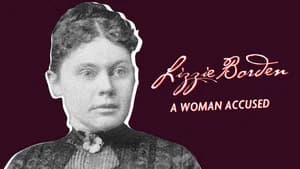
Her sensational case captured the attention of the press worldwide. Though she proclaimed her innocence until her dying day, she was destined forever to be associated with murder. When Lizzie Borden's father and stepmother were found brutally murdered in their Fall River, Massachusetts home, it marked the beginning of one of the most famous and sensational murder cases in history. Lizzie, a thoroughly respectable spinster, was tried for the crime. Though she was acquitted, she lived the rest of her life a pariah. BIOGRAPHY examines all the evidence in search of the truth, including period accounts, police reports and crime-scene photos. Discover how the crime and trial were sensationalized in the press worldwide and meet Borden experts who offer insight into Lizzie's life and reveal what they think really happened on that fateful day.

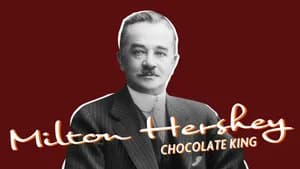
Milton Hershey was born in a Pennsylvania farmhouse and completed only the fourth grade before he was put to work as a printer's apprentice. But by the age of 18, Milton had discovered his unique calling: He would manufacture delicious, affordable confections. With a combination of ingenuity and persistence, he built his Hershey Chocolate Company into a bustling enterprise for himself and his workers an empire with a bank, department store, park, churches, golf courses, a zoo, even a trolley system. Join Biography for the inspiring life story of the man who dared to offer his employees dignity and prosperity, and made himself wildly rich in the process.
2011
Chart the rise of the fiery, driven chef whose uncompromising standards and explosive personality made him one of the most recognizable figures in modern food culture. The episode follows Ramsay from his early ambitions as a professional footballer, through the injury that redirected his life toward the kitchen, to his rigorous training under legendary chefs in France and London. Biography explores the discipline and perfectionism that fueled his ascent, leading to Michelin‑starred restaurants and global acclaim. It also examines the creation of his television persona—sharp‑tongued, demanding, yet deeply committed to mentoring others—through shows like Hell’s Kitchen, Kitchen Nightmares, and MasterChef. Interviews, archival footage, and personal reflections reveal a man whose intensity masks a genuine passion for excellence, family, and the craft of cooking.
Trace the evolution of the actress who grew from a precociously talented child performer into one of the most versatile and bankable stars of her generation. The episode follows Johansson from her early breakout in films like The Horse Whisperer and Ghost World to her acclaimed transition into adult roles, where her understated intensity and emotional nuance set her apart. Biography explores her collaborations with directors such as Sofia Coppola and Woody Allen, her leap into global stardom as Black Widow in the Marvel Cinematic Universe, and her continued range in projects spanning drama, comedy, and voice acting. The program also touches on her life off‑screen—her advocacy, her approach to fame, and the determination that has shaped her career. Through interviews and archival footage, the episode paints a portrait of an actress whose blend of talent, intelligence, and resilience has made her a defining figure of contemporary cinema.
2004
Scholar, writer, actor. Bram Stoker was born in Dublin, Ireland. A fan of the romantic movement in literature, Stoker corresponded with Walt Whitman and was a friend of Oscar Wilde. A dull life in civil service provided the inspiration necessary to produce such master works as the classic horror tale Dracula (1897) and numerous collections of horror short stories. Against his family's wishes, in 1878, Stoker moved to London and took a position at actor-manager with Henry Irving's Lyceum Theatre. He continued to write until his death in 1912.
Recount the extraordinary life of T.E. Lawrence, the British officer, scholar, and adventurer whose exploits in the Middle East became legend. The episode traces his transformation from an Oxford archaeologist into a daring military strategist during World War I, where he united Arab tribes against Ottoman rule and helped reshape the map of the modern Middle East. Through archival footage, expert analysis, and dramatic reenactments, Biography explores Lawrence’s complex personality—his intellect, idealism, and inner conflict between loyalty to Britain and sympathy for Arab independence. The program also examines how his fame, fueled by press coverage and later immortalized in film, became both a triumph and a burden. Ultimately, the episode paints a vivid portrait of a man torn between myth and reality, whose courage and contradictions made him one of the most fascinating figures of the twentieth century.

Explore the life and career of the actor whose unmistakable voice, elegant presence, and sly charm made him Hollywood’s master of macabre. The episode traces Price’s early years, his transition from stage to screen, and his surprising range—from historical dramas and film noir to the iconic horror roles that defined his legacy. Through interviews, archival footage, and scenes from classics like House of Wax and The Pit and the Pendulum, Biography reveals how Price blended sophistication with sinister wit, creating villains who were as charismatic as they were chilling. The program also highlights his passions beyond acting, including his work as an art collector, gourmet cook, and cultural ambassador. Ultimately, the episode paints a vivid portrait of a man who embraced the theatrical, delighted audiences for decades, and became an enduring symbol of stylish, intelligent horror.
Regarded as one of this century’s great Presidents, he oversaw America’s post‑war emergence as a dominant world power—yet Harry Truman was a failed businessman who turned to politics only because he needed a job. This modern portrait of “the Man from Missouri” combines interviews, archival footage and photographs to chronicle President Truman’s lasting legacy. From dropping the atomic bomb on Japan to the creation of NATO, and from his stunning upset of Dewey in 1948 to the Cold War era of Korea and McCarthy’s witch hunts, here are the defining moments of his life and Presidency. Biography is proud to present this profile of the gruff, no‑nonsense leader who earned the nickname “Give ’em Hell Harry.”
He made the automobile accessible to the common man. The common man made him rich. Henry Ford was one of the great innovators of our time. When the car he invented became so popular he couldn't build them fast enough he came up with the modern assembly plant to meet demand. The rest is history. BIOGRAPHY profiles the life of the industrial giant who earned notoriety for his intolerance as well as his inventiveness. Interviews with former workers and family members point out his genius and eccentricities while automotive historians trace his monumental career from his first hand-built car to saving his company with the introduction of the V-8 at an age when most men are long retired. This is the fascinating story of the driven man who changed the way we all live ironically spelling an end to the America he loved.
Her name is synonymous with mystery, seduction, betrayal and duplicity. Yet her fate at the hands of a French execution squad may have been undeserved. She is one of the most compelling figures of World War I the beautiful dancer-turned-spy whose "pillow talk" allegedly cost 10,000 men their lives. This definitive program traces the tragic life of Mata Hari, and finds evidence that she may have been a victim of her own fame. From her childhood in the Netherlands and her heyday as the toast of Paris to her trial and execution, explore the true story hidden behind her legend. Expert interviews shed light on her short but notorious career as a spy, while rare photos reveal the beauty who captivated a continent. Join Biography for a revealing look at the legendary Mata Hari, whose myth continues to cast a seductive spell.

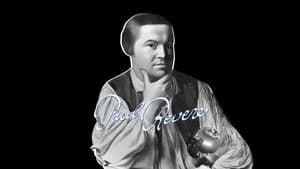
He risked everything to free his nation. Now venture into the incredible life and legacy of Paul Revere, the master silversmith who forever changed the course of American history. Every child knows of Revere’s thrilling “midnight ride,” but beyond the folklore was a man at the center of a revolution. Although he is one of the country’s first folk heroes—inspiring Longfellow’s famous 1861 poem—few people realize that Revere also led the Sons of Liberty, risked death as a courier and spy, helped organize the Boston Tea Party, and used his smithery skills to engrave powerful propaganda that enraged British rulers. Biography presents a rousingly unique look at the famed patriot, chronicling his service as a Continental Army colonel in the war—and beyond—to his prosperous life as an early American industrialist.

A video tribute to a martial arts legend, Bruce Lee. Examined are his early years in Hong Kong and his journey to Hollywood, his role of Kato on the TV series 'The Green Hornet', and his years as the martial arts instructor to the stars. Lee's spectacular rise to super stardom through his Kung Fu films is detailed, with a revealing look at both the on-screen action and behind the scenes controversy. Celebrity interviews include actor James Coburn talking about Lee as a teacher and collaborator, and actress Diane McBain on Lee's Kato years. Lee's successors in martial arts cinema are profiled, and theories offered about mysterious deaths of Bruce Lee and his son Brandon. Plus rare footage and more! Although his life was cut short at the age of 32, Bruce Lee-- through his movies and his teachings-- will forever be remembered as the Immortal Dragon!
The biography details Sid Caesar's rise to television superstardom as the creative force behind legendary 1950s variety programs like Your Show of Shows and Caesar's Hour. It highlights the unmatched comedic talent that Sid Caesar surrounded himself with, featuring contributions and reflections from iconic writers and co-stars such as Mel Brooks, Carl Reiner, Neil Simon, and Woody Allen. The program analyzes how his frantic sketch comedy, physical humor, and smart satire laid the foundational blueprint for future sketch shows like Saturday Night Live.
Follows John D. Rockefeller's ruthless and focused pursuit to control the oil refining industry through Standard Oil, making him the world's first billionaire. Examines how he avoided personal excess and passed down a tradition of giving. Looks at how his son and later generations dedicated their lives to charitable foundations and public works funded by the family fortune.
Countless books, documentaries, and even dramatized accounts have centered on America's royalty, the Kennedys of Massachusetts. No stone has gone unturned in the media's fervent examination of this fascinating family. But the youngest Kennedy, Ted, has often been dismissed as living in the proverbial shadows of his brothers. This Biography carefully and thoughtfully documents his intriguing life, the scandals and the redemption, the tragedies and the triumphs.

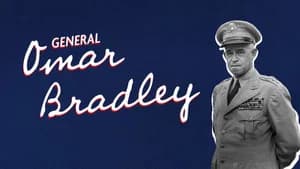
He took a nation of raw recruits and turned them into the finest fighting force in history: The United States Army of World War II. When Pearl Harbor plunged America into war, the nation was unprepared to fight. Yet within months, G.I.s were tearing through North Africa, ready to storm Europe. General Bradley was the military genius who made the American assault possible. Called "The finest Group Commander in any nation's ground forces" by General George Marshall, here is the story of Bradley's brilliant military career. Made with the cooperation of the archives of the U.S. Naval Institute, this program includes government footage of the training exercises that prepared the nation for war, and interviews with the men Bradley commanded. Discover the dramatic behind-the-scenes story of the strategic mastermind who helped change the course of World War II.
Her story is well-known - the lonely child who yearned for affection and approval which she finally seemed to find as Hollywood's greatest love goddess. But even though she scaled heights few could even dream of, she was one of the loneliest of stars. And yet, in spite of the breakdowns, the failed marriages, the sordid rumors surrounding her life -- and her death, Marilyn Monroe was never just a "victim." She was unique, a phenomenon that is as vital today as it ever was. She was all that is blazingly magical in a star. Here is the "real" Marilyn, drawn from some of her greatest moments on film - Gentlemen Prefer Blondes, How To Marry A Millionaire, The Seven Year Itch, Some Like It Hot, Bus Stop, The Misfits - and more. Here too are the earliest films, the home movies, archival footage, and the memories of those who knew her best, like Robert Mitchum, Shelley Winters, Sheree North, Susan Strasberg, Don Murray, Celeste Holm and Josh Logan.
An expert contortionist and master of illusion, he could escape from any cuff, vault or restraint—but could he evade the shackles of death itself? Harry Houdini dazzled vaudeville audiences with his unique blend of showmanship, magic skill, and daring. In capitals throughout the world, police and security experts tried to outsmart him, but the resourceful Houdini was always one step ahead. He could escape from a submerged crate, walk through a brick wall, and make an elephant disappear. But his lifelong fascination with the spiritual world led to his greatest challenge on Halloween 1926: would the great illusionist return from the grave to communicate with his wife? Interviews with magicians Penn & Teller, Harry Blackstone Jr., The Amazing Randi, and members of Houdini’s family shed new light on this remarkable man. Join Biography for the in‑depth story of a man whose ingenuity and bravura made him a household name.
The life, military career, and presidency of George Washington—tracing his path from a privileged youth, surveyor, and Virginia farmer to British military officer, general of the Continental Army, and the first President of the United States. Explore the truths and explode the myths of the man who remains "First in war, first in peace, first in the hearts of his countrymen."
Portrait of the teacher who died in the tragic explosion of the space shuttle Challenger in 1986. Follows her journey from a classroom teacher to a space pioneer through interviews with parents and students.
Explores their early days running a print shop and a bicycle repair and manufacturing business in Dayton, Ohio. Details their path from studying gliders and bird flight to achieving the first powered flight at Kitty Hawk, North Carolina. The world knows them as the bicycle mechanics who taught the world to fly here, the personal stories of Wilbur and Orville are told.
We learn about Roddenberry's early life, service as a World War II Army Air Corps pilot, and tenure as an L.A. Police Department officer. We see his transition into television writing for shows like Dragnet and Have Gun – Will Travel. We learn about the creation, rejections, and eventual greenlighting of the original Star Trek series with the help of Lucille Ball and Desilu. Contains interviews and retrospectives detailing his optimistic vision for science fiction and humanity.
He was the poster-boy for the excess and glitz of the '80s. When the economy took a turn for the worse, experts assumed that his time at the top had come to an end. But Donald Trump is back and stronger than ever. See how he pulled off one of the most remarkable business turnarounds in history, remaking his empire in the face of the economic climate of the '90s. In a remarkable interview, Trump talks about the low points filing for bankruptcy for his beloved Taj Mahal casino and the difficult divorce from Ivana as well as his carefully crafted return to the center stage of high finance. Extensive footage shows the best and worst moments of his time in the public eye, while interviews with friends, colleagues and associates shed light on the character of a man who refused to stay down for long. Join Biography for a revealing portrait of the phoenix-like rebirth of Donald Trump the master of the deal.
Frank Capra's rise to fame as one of early Hollywood's most acclaimed directors. We learn about his birth in Bisacquino, Sicily, his arrival in the United States, and his engineering studies at the California Institute of Technology (Caltech). Details his service in the U.S. Armed Forces in Europe during World War I and an accidental meeting with a former instructor that led him into silent films as a technician with Mack Sennett. Explores how Capra learned every aspect of filmmaking—including lab work, editing, and splicing in San Francisco—before joining Columbia Pictures and turning the studio from "Poverty Row" into a major competitor during the talkie and Depression eras. This episode features one of director Frank Capra's final interviews, recorded in 1988 for Italian television.
For over 150 years, his legacy has been immortalized in literature, song, and cinema. While master hunter Davy Crockett is perhaps best known for his struggle to push further westward into the American frontier and for his advocacy for the poor, he was also a thrice-elected member of the U.S. Congress. Crockett's rugged upbringing in the backwoods of Tennessee set the tone for what would become a life marked by adventure and loyalty to his fellow man. From his disheartening service in the U.S. Army to his profession of the principles of common justice to his life's end at the Alamo, Crockett will always be an indelible symbol of the great American spirit. BIOGRAPHY employs dramatic reenactments and captivating interviews with noted historians to tell the epic tale of America's beloved "King of the Wild Frontier".
In a time of innocence, his straightforward cowboy manner made him and his horse American icons. At the height of his fame, Roy Rogers was one of Hollywood's biggest stars. In 1948, his movies sold nearly 100 million tickets. In the 1950s, more than 2 million children bought comics books each month breathlessly following the adventures of Roy and his Palomino, Trigger. Now, for the first time, Boigraphy presents the full story of the poor boy from Cincinnati who became "The King of the Cowboys." In home movies, film outtakes and rare TV clips, we catch a glimpse of Rogers' lightning rise to stardom, from his humble beginnings as a radio singer and guitar player to his crowning as a matinee idol. Gallop into the bygone world of a favorite American hero.
Here's Willie Nelson's official, authorized biography! "Willie Nelson: My Life" is the close-up portrait of America's favorite singer/songwriter, from the days he sold one of his early hits, Family Bible, for $50 to buy milk for his children through his long struggle to superstardom. Included are frank and sometimes humorous interviews with Willie and his friends Ray Charles (who duets with Wilie on the song "Seven Spanish Angels"), Waylon Jennings, Johnny Cash, Kris Kristofferson, Emmylou Harris, Sydney Pollack, Gary Busey, Mel Tillis, Ray Price, Jerry Jeff Walker and others.
Patsy Cline died in a plane crash on March 5, 1963. Now, her musical legacy lives on in Remembering Patsy. This heartfelt celebration features 17 great Patsy Cline songs, and 10 rare television appearances, recently discovered and never before seen on video. You'll meet Patsy through her intimate home movies, her personal letters, as read by Arista recording artist Michele Wright, and the fond reminiscences of Patsy's husband, Charlie Dick, and Willie Nelson, Loretta Lynn, George Jones, Mel Tillis, Roy Clark, Eddy Arnold, Bill Anderson and Jan Howard. A new generation of stars including Trisha Yearwood, k.d. lang, Ronna Reeves, Lisa Stewart, and Marsha Thorntorn, add insight into Patsy's influence and proof positive that Patsy Cline does live on in her music.
The program traces his life story, starting from his difficult childhood and runaway youth to his rise as a Vaudeville juggling sensation, Broadway star, and ultimately, a legendary Paramount Pictures leading man. The feature comprehensively covers his brilliant career milestones while directly confronting his internal struggles, including his notorious, self-destructive battles with severe alcoholism.
One of this century's most respected and admired figures, she was a humanitarian who transformed the place of women in society, and in the White House. Eleanor Roosevelt created the tradition of the activist First Lady. A pioneer among Presidents' wives, she formed a staff, held press conferences, and defined an agenda beyond that of homemaker. She fought for Civil Rights, for women and the oppressed. Yet this towering public figure was also an orphan whose family was destroyed by alcoholism, the unhappy wife of a philandering husband, and a passionate friend. Experts and scholars finally succeed in connecting her public and private lives in this unique and intimate portrait. Revisit the complete, inspiring life story of Eleanor Roosevelt, champion of freedom and human dignity.
He is perhaps the greatest sports hero in American history. George Herman “Babe” Ruth, Jr., was more than just a ballplayer—he was a beloved public figure whose popularity at one time seemed to transcend that of baseball itself. Profane and earthy, “The Babe” had a warmth of spirit about him that both electrified and inspired the nation. In his lifetime, he set several Major League records—the most notable of which took place in 1927 when he hit a record-breaking 60 home runs in a single season. From his early childhood in Baltimore to the infamous 1919 sale by the Boston Red Sox to his glory years with the New York Yankees, Biography takes an in-depth look at the immortal slugger who swatted his way into the hearts of baseball fans forever.
Pope John Paul II stood as the most popular pontiff in history, a spiritual compass to almost a billion Catholics worldwide, and a powerful symbol of peace to countless others. Considered an outsider choice for the papacy in 1978, Karol Jozef Wojtyla led over 16.7 million people in worship, met nearly 700 heads of state, survived an assassination attempt, and helped facilitate the end of Communism in the Soviet Union. With interviews of childhood friends, colleagues, and Vatican officials, this is the complete story of Pope John Paul II’s remarkable life. From his carefree youth in Poland to his human rights activism, to his late struggles with Parkinson’s Disease, the compassion and inspiration of the most traveled Pope in history is portrayed in its entirety. Join Biography in a touching memorial to one of the world’s great icons of peace, His Holiness, Pope John Paul II.
She created a new kind of screen heroine, a liberated woman in a world dominated by men, and rose to be recognized as "first lady of the American screen." More bold than beautiful, more brazen than beguiling, Bette Davis starred in classics like Jezebel and All About Eve. She won two Academy Awards, was nominated for 10 more, and earned the adulation of generations of movie fans. Equally independent off-screen, her battles with studio brass were legendary. Here is her story, from her childhood and her first triumphs in Hollywood, to her ascension, eclipse, and ultimate return to unprecedented acclaim. Share the magical memories of one of the most inspiring and electrifying women ever to light up the silver screen.
She was the first person cast on Saturday Night Live, and arguably the most beloved. Her memorable characters—helped establish the show as a cultural phenomenon and earned her an Emmy Award. But behind the laughs, Gilda Radner's life was a roller coaster of emotional highs and lows. In this intimate, feature-length profile, Biography looks at the woman behind the characters. Through rare home movies, exclusive clips, and interviews with those who knew her best—including Lorne Michaels, Laraine Newman, and her husband, Gene Wilder—telling her story using her own voice, drawn from the audio tapes she recorded for her bestselling autobiography, It's Always Something. From her childhood struggles with weight and the loss of her father, to the dizzying heights of late-night stardom and her brave, final battle with ovarian cancer, this is the definitive, moving portrait of a comedy legend.
He was America's ambassador to the world, a unique individual who came to symbolize the inventiveness and industriousness of an entire nation. Benjamin Franklin's fascinating and diverse accomplishments defined him as a Renaissance man who will be forever enshrined in America's pantheon of heroes. He discovered electricity, invented the fuel-efficient Franklin Stove, and authored the still popular Poor Richard's Almanac. Most importantly, he offered wise leadership as a member of the continental Congress and ambassador to France during a young land's tumultuous drive toward freedom. The astounding story of one of the most unique, colorful and captivating figures in American history is told here through expert commentary, archival material, and Franklin's own writings.
He came from the streets of Brooklyn and went on to dominate the heavyweight boxing world like no one since Muhammad Ali. In this in-depth program, Biography interviews Mike Tyson’s childhood friends, members of his boxing camp, and various sports journalists to paint the portrait of a man whose battles with personal demons dealt him some of worst blows of his life. See footage of the young fighter before he was famous, and get an inside look at some of his career highlights. Trace the champion’s tumultuous life out of the ring: from the street fight with Mitch “Blood” Green and his troubled marriage to Robin Givens to the 1992 rape conviction that destroyed all he had. Mike Tyson is the tragic saga of the championship boxer whose signature aggression proved both a blessing and a curse.
Explore the life of the Renaissance genius whose vision and skill forever transformed art, architecture, and sculpture. The episode traces Michelangelo Buonarroti’s journey from his early apprenticeship in Florence to his monumental achievements in Rome, including the Pietà, David, and the Sistine Chapel ceiling. Biography examines his relentless pursuit of perfection, his tempestuous relationships with patrons and rivals, and the spiritual intensity that infused his work. Through expert commentary, archival imagery, and dramatized sequences, the program reveals a man torn between divine inspiration and human struggle—an artist who saw creation as both a gift and a burden. Ultimately, the episode paints a vivid portrait of Michelangelo as not only a master craftsman but a complex, passionate soul whose art captured the very essence of humanity and faith.
Descend into the dark world and tragic life of Edgar Allan Poe, the melancholy author who is the uncontested master of the macabre, and hear excerpts from his famous works. A genius whose gloomy nature made his own life as tragic as one of his strange tales, Poe's haunting poems and chilling stories established him as one of the most important men of American letters. But behind his popularity and artistic success was a personal life defined by broken hopes and failure. This extraordinary program tells Poe's complete story, from the death of his parents when he was three to his tragic collapse on the street at age 40. Dramatic readings recall the devastation of his broken engagement and the loss of his child bride. And experts explore the bouts of depression and addiction that tormented the man and gave birth to his dark and brilliant art. Biography takes an intimate look at one of literature's most complex and fascinating figures.
Ancient art and period accounts, along with commentary from the world's leading Egyptologists brings the fabled story of Cleopatra to life. Delve into the fascinating life of the most powerful woman in the world, circa 50 BC. Discover the passion of this queen and witness the scandals that shaped the Roman Empire.
Acclaimed concert pianist Van Cliburn opens up to documentary filmmakers in this release that offers an intimate look at Cliburn's life and career presented through a collection of interviews with the pianist himself as well as those who know him best. Performance footage not previously broadcast or commercially available offers something new for Cliburn fans who think they've seen it all, and revealing conversations with such contemporaries as Marilyn Horne, Leontyne Price, and others offer a look at the side of Cliburn rarely seen by the public. An accompanying audio compact disc offers complete performances of songs heard in the documentary.
In the darkest days of World War II, he exhorted his troops to "Hit hard. Hit fast. Hit often." Once the American Navy was ready to fight, he oversaw some of the greatest victories in its history. From his time commanding destroyers in World War I through his promotion to Admiral of the Fleet in 1945, this is the story of the man whose leadership inspired all those who fought with him and commanded respect from his enemies. In countless interviews, the men who served under the "Bull" recall the bluster, bravado and tactical skill of the legendary admiral. BIOGRAPHY presents the stirring life of a legendary warrior, a man whose legacy is defined in the minds and hearts of those who served him. In gatherings of WWII sailors to this day, the proudest of all are those who answer the traditional question "What ship were you on?" by saying, simply, "I was with Halsey."

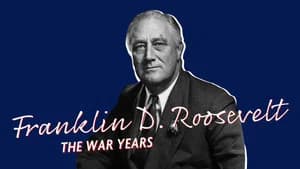
He was weak, frail, unable to walk, yet he marched the nation to victory in the greatest conflict in world history. Much of Franklin Delano Roosevelt's greatness rests on his remarkable leadership in World War II. Here is the incredible behind-the- scenes chronicle of those turbulent years, beginning with FDR's election to an unprecedented third term. See his battles with isolationists, witness the attack on Pearl Harbor and hear the speeches that stirred the entire world. Learn the details of his secret talks with Churchill and the Yalta Conference, and join the nation as it mourned a leader who passed away when victory lay at hand. Here is the epic story of the monumental statesman who guided America through the darkest years in modern world history.
He was the last Japanese ruler to uphold the Shinto idea of imperial divinity. His rule saw his nation transformed from an ancient society to a modern powerhouse and ravaged by war. Emperor Hirohito ruled for over 60 years. He led his nation into a devastating war, but oversaw its rebirth as well. BIOGRAPHY traces the long life of this remarkable figure through expert interviews and extensive archival footage. Follow the young prince to Europe in his 1921 the first Japanese prince to leave his homeland, and see footage of his coronation as emperor and proclamation of divinity in 1926. Trace the elements that led his nation into war, and learn how he eventually accepted defeat and allowed his beloved nation to be steered toward the future. And see remarkable interviews with confidantes and those who knew him. Biography explores the life of the emperor whose dramatic life mirrored the transformation of his nation.
A look at the life and career of actor/director Clint Eastwood, including scenes from his past film and television work and interviews with friends, fellow actors and crew members who have worked with him over the years.
He breaks into houses uninvited—yet he comes to give. Almost as old as Christianity itself, Santa Claus is one of history’s most beloved figures, one who has symbolized the magic, enchantment, and unquestioning belief of childhood. Though derived from the doctrines of various religions, Santa Claus symbolizes the secular spirit of generosity. Santa Claus embarks on a journey through history to reveal the roots of Father Christmas, from the Roman Befana to the Germanic Berchte and Knecht Ruprecht, from Saint Nicholas to Père Noël, and expose the historicity and magic of this jolly figure. Fascinating interviews with historians and experts—including Tim Allen, star of The Santa Clause—illuminate his extraordinary legacy. Join Biography in uncovering the real history of this timeless character, one of the most enduring and charming figures ever.
For over 40 years, ventriloquist Shari Lewis and her sassy hand puppet Lamb Chop were the most beloved team in children's television. Together with her other puppets Charlie Horse and Hush Puppy, Shari raised three generations of kids and struggled to stay relevant in an industry that was constantly changing. In this audiobook, co-written and recorded by Shari's daughter Mallory Lewis (who now performs with Lamb Chop) and producer-biographer Nat Segaloff, you'll hear how Shari survived using sheer will and talent, how she re-invented herself to meet new challenges, and the never-before-told story of the origin of Lamb Chop.

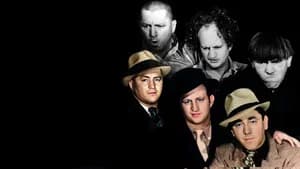
For six decades, the Three Stooges ran amuck in a riotous frenzy of eye-poking, ear-slapping, kicks, jabs, punches and frying pans to the cranium. Now Laughsmith Entertainment and A&E offer fans of the Moronic Maestros a chance to relive the Golden Age of Stoogery. Through rare recordings, exclusive interviews and outtakes of behind-the-scenes antics, "Stooges: The Men behind the Mayhem" tells the pure, uncensored Stooge story--from the early vaudeville years with Shemp and Ted Healy, through the golden years at Columbia Pictures with Curly, to the final feature films with Curly Joe DeRita, "the last Stooge." Whether you're fascinated by the unrestrained id, or just enjoy the good, clean humor of pliers applied to the nose, you'll find something to love in this in-depth look at America's most beloved madcaps The Three Stooges!

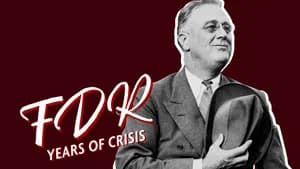
He was one of the fastest-rising politicians in the country when he was suddenly stricken with polio. Although the debilitating disease robbed him of the power to walk, Franklin Delano Roosevelt refused to succumb to despair. Join Biography for the remarkable story of FDR's decade-long battle with polio and his quest to return to political prominence. Biographers and historians describe his ambitious journey, from his rehabilitating bid for governor of New York to his rivalry with a fellow politician who claimed that FDR would be "dead within the year," unknowingly fueling FDR's mission. Unique footage includes excerpts from the 1932 Democratic nomination speech that re-established his place in the party and paved his way to the presidency. FDR: Years of Crisis offers an intimate glimpse into the life of one of America's most extraordinary men.
Traces the life of Andrew Carnegie, who went from being a poor Scottish immigrant to a fabled man of wealth. Carnegie built a fortune by amassing stock in the growth industries of trains and steel, then started sharing it. Today libraries, concert halls, and universities across the United States have benefited from his philanthropy.
A portrait of "Old Hickory," President Andrew Jackson (1767-1845), from his Tennessee law days through his military career to his tenure as the seventh U.S. President. Included: interviews with historians. Monte Markham is the narrator.
The program tracks the legendary journey of Aristotle Onassis, from his origins as a penniless war refugee to his transformation into a multi-millionaire tycoon and global icon. After his family lost everything in the 1922 Greco-Turkish War, a teenage Onassis fled to Argentina with less than $100 in his pocket. Through sheer ambition, a successful stint in tobacco importing, and an uncanny foresight into the value of massive oil tankers, he built one of the largest private maritime fleets in human history—earning him the moniker "The Golden Greek."
He commanded one of the most feared armies of antiquity, sweeping across Europe in an orgy of destruction and conquest. But the legendary conqueror was more than just a bloodthirsty barbarian. Attila the Hun was one of the most successful commanders whoever lived. Under his leadership, the Huns captured all the territory between the Black Sea and the Mediterranean and made a number of successful advances into Western Europe, conquering half of Italy and extending their influence as far as France. Attila: Scourge of God profiles this legendary figure, a shrewd, tough, at times thoughtful leader who forged a loose confederation of nomadic tribes into the most feared military machine of its time. Trace his incredible exploits, including the battle at Châlons, one of the most terrible in all of history, where contemporary chroniclers estimated that Atilla lost over 200,000 men! Biography blazes across Europe on the trial of one of the greatest commanders of all time Attila the Hun.
The American Revolution bred many heroes whose courage and leadership on the battlefield helped win independence. But one of America's greatest commanders found fame as the most notorious traitor in history. What made General Benedict Arnold turn against the cause of his infant country? Biography. journeys back to the battlefields of the Revolution for an in-depth look at a career of stunning victories that went unrewarded. Despite defeating the British at Ticonderoga, nearly making Canada America's 14th colony with the victory in the Battle of Saratoga and engaging British warships in Lake Champlain in America's first naval battle, Arnold was continually passed over for promotion. The breaking point came when Arnold was nearly court martialed. Soon afterwards, British spy John Andre was captured with documents Arnold gave him, and Benedict was forced to go over to the British side. Join Biography for the tragic tale of a man who eventually felt abandoned by every cause he espoused.
Born to a life of obscurity and dark despair, his genius made him one of the most successful and beloved figures of his time. Internationally famous just months after his first novel was serialized, Charles Dickens was among the world's first literary stars. But success and acclaim could not banish the ghosts of his childhood marked by his father's confinement in debtors' prison or keep him from the deep loneliness that haunted him until his death. This extraordinary program tells the full story of Dickens' remarkable life, from his year as a child laborer to his troubled marriage, his love affairs and the spectacular successes of Oliver Twist and A Tale of Two Cities. Biography presents an unforgettable look at the man whose originality, compassion and exuberance created some of literature's most cherished works.
Charles Manson: Journey Into Evil offers a sobering analysis of the life and beliefs of the infamous murderer and cult leader Charles Manson. Narrated by Judy Muller, the film features interviews with Manson himself, as well as with those who closely followed his activities, including members of his group known as ‘The Family’ and discussions of their murderous crusade, dubbed ‘Helter Skelter’.
He has been king and slave, hero and villain, renowned throughout the movie-going world for the heroic figures he played during his early years in Hollywood: Moses, Ben-Hur, El Cid and Michelangelo. In a wide range of roles, from classical to futuristic, he has shown himself a consummate actor. But Charlton Heston has always been more than a star. Although he is a private man, he has often appeared to be a very public one, willing to speak up on issues he believes in--however controversial they may be. Here, in his own words, is Heston's life as well as highlights of a career that resulted in over 60 motion pictures.
He was determined to find a western route to Asia but wound up discovering the New World. But despite his accomplishments, he died a broken, largely forgotten man. Christopher Columbus became the first European to set foot on the New World. Evidence now proves that the Vikings were there long before him, but even in his own time later explorers usurped his glory! Biography uses period accounts, rare art and artifacts and interviews with world-renowned historians to tell Columbus's often-reinterpreted story. See how he convinced Ferdinand and Isabella to fund his journey and how he never gave up believing that he had reached Asia. Discover how his fortunes and reputation sank so quickly that by the time of his fourth voyage Spanish officials would not let him anchor in their waters. From the dream that led him across the horizon to the fortunes that deserted him and the ongoing controversy over his true place in history, this is the dramatic story of Christopher Columbus.
Crazy Horse was a legendary war leader of the Oglala Lakota who dedicated his life to defending Native American territory and culture from U.S. government expansion. Known for his fierce bravery, tactical brilliance, and refusal to be photographed, he became a central figure in the Plains Indian Wars. He earned immense prestige during Fetterman's Fight (1866) and the Battle of the Rosebud (1876). His most famous triumph came on June 25, 1876, when he led a major Lakota and Cheyenne force to decisively defeat Lt. Col. George A. Custer at the Battle of the Little Bighorn. Despite this historic victory, relentless military pressure and the destruction of the buffalo herds forced his people into starvation. To protect his followers, Crazy Horse surrendered in May 1877. Just months later, on September 5, 1877, he was fatally bayoneted during an altercation at Fort Robinson, Nebraska. He remains a powerful symbol of resistance, freedom, and indigenous pride.
Daniel Boone (1734–1820) was an American frontiersman whose exploration of Kentucky made him one of the earliest U.S. folk heroes. He blazed the Wilderness Road through the Cumberland Gap in 1775, founded Boonesborough, and helped open the West to more than 200,000 settlers. Boone served as a militia officer during the Revolutionary War, was captured and adopted by the Shawnee before escaping, and later moved to Missouri, where he lived out his final years.
Genghis Khan is one of the giants of world history. Yet few know the exact details of what made this great military and political genius so famous. Now, Biography travels back to ancient Mongolia, China, and Persia to recount the life and conquests of Khan. With superb on-location footage and expert commentary, the legend of the illiterate peasant who unified the Mongol tribes into a ferocious fighting force is told as never before. Remembered mostly for his savage cruelty, Khan used his uncanny motivational powers to develop a vast empire across central Asia, bringing untold spoils to his domain.
He was rushed into action in the Civil War after graduating last in his class at West Point. He earned a permanent place in American folklore at the battle of the Little Big Horn. George Custer was never destined for greatness. That he achieved immortality is testament to his own bad luck and judgement more than anything else. This is a revealing examination on the ill-fated life of this notorious commander. Trace his exploits in the Civil War, where he became a brigadier general at the age of 23, fighting at Gettysburg and Bull Run. Discover how he petitioned for permission to fight for Mexico and follow him west where he enjoyed a moderately successful career as an Indian fighter. Finally, a point-by-point examination of the battle of Little Big Horn reveals how Custer led 264 men to death and secured a unique place in American history. Through rare photos, dramatic re-enactments and the commentary of leading historians, Biography explores the tragic life of George Custer.
Josef Goebbels, Nazi Minister of Propaganda, was one of the first public figures to recognize the value of mass entertainment to political propaganda. Using archive examples of the Nazi propagandist's film work, the program examines how Goebbels created the myth of Adolf Hitler, organized mass spectacles, and established a film studio to produce entertainment that furthered the Nazi cause and prepared the Germans for the Final Solution.
In classic novels like The Time Machine, The War of the Worlds and The Invisible Man, he practically invented science fiction. But those seminal works were just a small part of his life. H.G. Wells wrote over 160 books covering fields from fiction to history to political commentary. In his day he was one of the most famous and influential thinkers in the world. Through extensive use of his writings and interviews with leading scholars, Biography presents the complete story of H.G. Wells. Discover the startling range of predictions he made forecasting everything from chemical warfare and the atom bomb to computer chips and modern birth control! And see how his vision of the future darkened as he aged and the horrors of World War II threatened to put an end to his hopes for humanity. This is a revealing look at the life of "the man who invented tomorrow."
He is mythology's greatest and most celebrated hero, a towering figure whose name is synonymous with strength itself. The son of a mortal woman who was seduced by Zeus, Hercules was the mightiest of all humans. His celebrated 12 labors took him to the very ends of the earth and beyond as he fought fearsome creatures, battled injustice and defied even the gods themselves. Journey back to Ancient Greece to discover the origins of this epic hero. Probe the true meaning of his labors, and see how Hercules' divine power is balanced by very human frailty. Explore the complete story of the complex hero, from his crib where he killed two giant snakes sent by a jealous Hera to the funeral pyre that took him to his place among the immortals. Come along for one of the greatest adventures of all time the story of the mighty Hercules!
No one captures the American imagination quite like the Kingfish. We trace Huey Long's spectacular career from the 1920s, bursting out of Louisiana under the banner "Every man a king." Archival footage depicts the charismatic builder of roads, bridges, and schools, whose brutal corruption ended in a hail of bullets. Interviews tell the stories of the people swept up in Long's whirlwind, who still feel his impact on their lives.
Jack the Ripper is the pseudonym given to an unidentified serial killer who terrorized the Whitechapel district of London in 1888. The killer targeted female sex workers, cutting their throats and performing brutal abdominal mutilations that suggested a knowledge of human anatomy. The "canonical five" victims—Mary Ann Nichols, Annie Chapman, Elizabeth Stride, Catherine Eddowes, and Mary Jane Kelly—were murdered between August and November 1888. The name "Jack the Ripper" originated from the infamous "Dear Boss" letter sent to the Central News Agency during the hysteria, though its authenticity remains disputed. Despite intensive investigations by Scotland Yard, hundreds of interviews, and thousands of lines of inquiry, the killer's true identity was never discovered. Key historical suspects included Montague John Druitt, Aaron Kosminski, and Walter Sickert, but no conclusive evidence ever emerged. The case permanently reshaped crime reporting and modern forensic mythology.
He was one of America’s most notorious Depression-era bank robbers. Biography chronicles how John Dillinger escaped a quiet, rural upbringing in Indiana to mastermind multiple daring bank heists and elaborate jailbreaks. His high-profile crime spree ultimately embarrassed local law enforcement, drew the obsession of FBI Director J. Edgar Hoover, and earned him the inaugural title of the FBI's "Public Enemy Number One."
He was the most popular actor of his day. And with a single shot, he transformed the course of American history. John Wilkes Booth earned an infamous place in history as the man who assassinated President Abraham Lincoln. But Booth was much more than just a desperate devotee to the waning Confederate cause. In this in-depth program, follow Booth’s life from his pastoral childhood in Maryland to his rise to fame as a prominent actor. Discover how he became steadily more committed to the Confederate cause as the Civil War went on and how General Lee’s surrender left him feeling like “a man without a country”—ultimately prompting his fateful visit to Ford’s Theatre on April 14, 1865. Join Biography for a fascinating journey back to 19th-century America and a compelling look into the life of this most unusual assassin.
Lee Harvey Oswald was a former U.S. Marine who assassinated U.S. President John F. Kennedy on November 22, 1963, in Dallas, Texas. Oswald had a turbulent youth, joining the Marines before defecting to the Soviet Union in 1959. Disillusioned with Soviet life, he returned to the U.S. in 1962 with his Russian wife, Marina. He became an active supporter of Marxist causes, including the Fair Play for Cuba Committee. On the day of the assassination, Oswald fired three rifle shots from the Texas School Book Depository, fatally wounding JFK. Shortly after fleeing, he also shot and killed Dallas police officer J.D. Tippit. He was arrested hours later at the Texas Theatre. Two days later, on November 24, 1963, while being transferred through the Dallas Police Headquarters basement, Oswald was shot and killed by local nightclub owner Jack Ruby on live television. The Warren Commission later concluded that Oswald acted entirely alone.
The tale had been kept alive for generations but the intriguing story of Vinland seemed more legendary than true. But a landmark discovery rewrote the history of human exploration and showed he had indeed visited North America. Five hundred years before Christopher Columbus Leif Ericson and the Vikings sailed from Greenland to a new land sighted further west. For centuries their story was shrouded in mystery. But a remarkable discovery by archeologist Anne Ingstad uncovered the site of the legendary Vinland a Viking settlement in Newfoundland. Biography journeys to the Dark Ages to tell the story of one of the greatest explorers of all time and the extraordinary journey that made him a legend. Tour the site where Ericson set foot on the New World and learn what is known of his life from the world’s leading scholars. Set sail for history in this unique program which re-creates one of the most important journeys in human history and introduces the legendary explorer at its heart.
His was the angry voice of a people kept silent for centuries. And at the height of his power, his outspoken independence led to his assassination. Malcolm X was one of this century’s most charismatic leaders, a man so complex and influential that his name still stirs argument 30 years after his murder. Biography brings you his complete story, beginning with his childhood in the racist and segregated America of the Jazz Age, and his early years as the Harlem hoodlum “Detroit Red.” You’ll follow the future leader through his prison conversion and rise to prominence with the Nation of Islam, where he became a voice of hope for African-Americans. Interviews, photos and film footage reveal a life of continuous growth and change, a life cut short as greater possibilities seemed on the horizon.
Marco Polo had a strong case of wanderlust; when he set out from his Venetian home to explore the East, he did not return for 20 years. This video chronicles the travels of the legendary adventurer, who explored the exotic lands of the Middle and Far East. With readings from his famous book, The Travels of Marco Polo, written while imprisoned at the end of the 13th century, the adventurer's quest to see the world unfolds. His accounts, such as his stay in the court of the Emperor Kublai Khan in Mongolia, fired the imagination of Europeans, and inspired the poetry of the English author Samuel Taylor Coleridge. The film shows why no world traveler has been more influential than the intrepid Marco Polo.
Wolfgang Amadeus Mozart was an extraordinarily influential Austrian composer of the Classical era. Born in Salzburg, he displayed prodigious musical talents at a remarkably early age, playing the keyboard and violin and composing his first pieces by age five. Guided by his father Leopold, young Mozart toured Europe as a child prodigy, performing for royalty. As an adult, he relocated to Vienna as a freelance performer and composer. Despite facing financial instability and volatile public favor, his creative output was staggering. Mozart composed over 600 works, profoundly shaping symphonic, operatic, chamber, piano, and choral music. His timeless masterpieces include the operas The Marriage of Figaro, Don Giovanni, and The Magic Flute, alongside his monumental Symphony No. 41 ("Jupiter"). Mozart fell gravely ill and died at age 35, leaving his famous Requiem unfinished. He remains an enduring archetype of musical genius.
Nostradamus (born Michel de Nostredame) was a prominent French astrologer, physician, and reputed seer of the Renaissance. Educated in medicine at the University of Montpellier, he initially gained acclaim for treating plague victims across southern France. However, he is best remembered for his 1555 book Les Prophéties, a collection of 942 poetic quatrains. Written in a cryptic blend of French, Greek, Latin, and Italian, these verses were intended to predict future global disasters, wars, and cosmic events. His cryptic style attracted royal patronage, notably from French Queen Catherine de' Medici, who appointed him Counselor and Physician-in-Ordinary to King Charles IX. Though modern skeptics view his writings as vague metaphors easily reinterpreted after historical events occur, popular culture frequently credits him with predicting the Great Fire of London, the rise of Adolf Hitler, and the 9/11 attacks.
He is remembered for seven words: "Give me liberty of give me death." More than any other founding father he represented the power of the ordinary citizens of the new nation. Patrick Henry rose from simple roots to mingle with the colonial aristocracy, helping blaze the trail to freedom alongside Jefferson and Washington. While others led men through the influence of position, wealth, and education, Henry staked his claim on the power of his voice. He was, without a doubt, the greatest orator of his age. Biography tells his story through expert commentary, period accounts and artifacts, and revealing excerpts from Henry's speeches and writings. Discover how the speaker balanced his rhetoric with a keen political sense, and how he never wavered in his defense of individual liberty, fearing that the Constitution paved the way for domination by a central government. Fiery, outspoken, yet personally prudent, he was the first voice of the American people, the pied piper of liberty.
He was one of the first and most famous of a breed of men who would carve out an empire in the New World. His name is forever linked to the futile search for the Fountain of Youth. Ponce de León is remembered for his misguided quest, but the first Conquistador deserves better. Biography travels back in time to stand with the Spanish adventurer on the edge of the New World. Contemporary historians and period accounts bring his remarkable accomplishments to life he sailed with Columbus, discovered Florida and was the first governor of Puerto Rico. He was also extremely successful at laying waste to the existing cultures and planting the seeds of the colonization that followed. Leading experts examine his motivations in the context of the time and culture he lived in, and dramatic re-enactments relive his stirring adventures. Soldier, adventurer and explorer, this is the complete story of the man who chased one of humanity's most elusive dreams and left an indelible mark on the New World.
He first appeared in 1887. His stories have enthralled millions of people ever since. Sherlock Holmes is among the most enduring fictional creations of all time. With his piercing observations, razor-sharp logic and human weakness, the eccentric sleuth is one of the rare characters to take on a life of his own even today, thousands of letters a year arrive at 221B Baker Street asking for his help. Biography journeys to Victorian England to trace his origins and search for clues to his lasting appeal. Learn how Jack the Ripper's 1888 spree coincided with the first Holmes story becoming a bestseller, prompting Conan Doyle to observe, crime may not pay, but it certainly sells. From his most famous cases to his passion for the violin and weakness for recreational drugs, every aspect of Holmes's character and career is examined. Join Biography for the mysterious case of Sherlock Holmes, the eccentric Englishman from another age who has become one of the most beloved characters in the world.
One of the last great leaders of the Native American Resistance, Sitting Bull earned his place in history with his stunning victory in the Battle at Little Bighorn-but his life encompassed much more than one battle. Biography journeys back to the fading days of the Old West for a comprehensive history of the Sioux medicine man. Hear period accounts that narrate his many battles with early settlers and learn how he revised the Native American strategy and created more effective fighters. Discover how he masterminded the victory at Custer's Last Stand and trace the tragic last days of his life, from his position in Buffalo Bill's "Wild West Show" to his captivity and death. Sitting Bull: Chief of the Lakota Nation presents a moving and remarkable portrait of one of the last great Native American warriors.
Her tireless pioneering efforts helped found America’s first civil rights movement and blazed a trail for countless others to follow. Many remember Susan B. Anthony best for the coin bearing her likeness, but too few are aware of why she is the first woman to be honored on U.S. currency. In this inspirational program, journey back to the contentious days of the suffrage movement and discover the compelling story of the willful woman at its heart. From her work in the abolitionist movement to her celebrated arrest and trial for attempting to vote in the 1872 presidential election, her words and deeds come alive through riveting historical reenactments. Join Biography for the story of a woman who did not live to see the passing of the 19th Constitutional Amendment, although it was a victory that could not have been achieved without her.
The program dives deep into the patriarch's ruthless pursuit of wealth, his five failed marriages, and the strained, cold relationships he maintained with his children. A central focus of the feature is the notorious 1973 international spectacle surrounding the kidnapping of his 16-year-old grandson, J. Paul Getty III, in Rome. The biography highlights the oil tycoon’s initial, cold calculation to refuse the ransom payment, the tragic mutilation of the boy by Italian gangsters, and the dark, cascading aftermath of substance abuse and alienation that plagued the family heirs for generations to come
They were disenchanted rebel soldiers who turned to a life of crime. Their exploits earned them a place in American folklore. The James Gang was the most notorious band of outlaws in the Old West. Led by the storied Jesse James, they embarked on an amazing series of bank and train robberies that made them the most wanted criminals in the nation. Biography tells the complete story of the legendary gang through archival photos and expert testimony. Relive their most famous robberies and see how the reward on Jesse James' head eventually became too much to resist for a member of his gang. Learn of the amazing saga of Frank James after he turned himself in, and follow the evolution of the legend of Jesse James in the years since his death. The James Gang is an unflinching look at the most notorious criminals of the Old West.
Manfred von Richthofen, the legendary German World War I fighter ace credited with 80 confirmed aerial victories. Rare historical combat footage of Manfred von Richthofen and his flying unit in action, alongside coverage of his final mission, death over France in April 1918, and his solemn military funeral conducted by British forces. Includes commentary and insights from aviation historians and figures such as Dan-San Abbott, Javier Arango, Oswald Boelcke, and Walter Boyne.
They were arguably the most powerful family in America. But the dynasty dissolved in a frenzy of excess, backbiting and sexual indiscretions. The Vanderbilts were a gossip columnist's dream. Their saga was a magnificent tapestry of honor, greed and scandal, and, of course, wealth. Biography traces their stunning story, from the genius of the "Commodore" to the custody battle over little Gloria. Discover how Cornelius first built a fortune in shipping before turning his attention to railroads. Relive his legendary battles with rival John Jay Gould. Trace the scandals that scarred the family image, and learn of their enormous contributions to charity that could never overcome the doings that dominated the gossip page. And biographers and rare footage highlight the defining moments in the history of the dynasty. Join Biography for the story of the Vanderbilts, a sweeping saga more powerful than those found in today's tabloids.
Theodore Roosevelt was the 26th President of the United States, a visionary statesman, naturalist, and soldier. Overcoming severe childhood asthma, he championed a life of "strenuous endeavor." He gained national fame during the Spanish-American War leading the "Rough Riders" cavalry unit. Following the 1901 assassination of William McKinley, Roosevelt took office at age 42, becoming the youngest president in U.S. history. His domestic agenda, the "Square Deal," focused on consumer protection, antitrust regulations, and busting corporate monopolies. A passionate conservationist, he established the U.S. Forest Service and protected 230 million acres of public land. Abroad, he initiated construction of the Panama Canal and won the 1906 Nobel Peace Prize for mediating the Russo-Japanese War. He survived an assassination attempt in 1912 while running under his "Bull Moose" party. He remains a symbol of American vigor.
Thomas Jefferson was an American statesman, diplomat, lawyer, architect, philosopher, and the third President of the United States (1801–1809). As a brilliant political philosopher, Jefferson was chosen as the principal author of the Declaration of Independence in 1776, establishing the foundational American ideals of life, liberty, and the pursuit of happiness. During his presidency, he orchestrated the Louisiana Purchase of 1803, doubling the size of the nation, and subsequently commissioned the Lewis and Clark Expedition to explore the western territory. Jefferson was a true polymath who founded the University of Virginia and designed his neoclassical plantation home, Monticello. However, his historical legacy remains deeply complex; while he eloquently championed human liberty and universal equality, he enslaved over 600 people throughout his lifetime. He died on July 4, 1826, exactly 50 years after the adoption of the Declaration.
Over 20 women lent their voices to the Japanese propaganda effort in WWII. Though there was never a program or a character by that name, they collectively came to be called Tokyo Rose. Iva Toguri was a recent college graduate touring Japan when war broke out. Unable to return to America, she was forced to find employment using her only marketable skill English. She soon found herself behind a microphone, broadcasting messages of hate and despair to her countrymen. This remarkable program traces Iva's experiences during and after the war. It's a story of bad luck and discrimination. Despite being forced to do the broadcasts, she was tried and convicted of treason in 1949 and spent 7 years in jail. In an interview, Toguri talks about her long fight to clear her name. President Ford pardoned her in 1977. Biography presents the true story of a woman caught up in forces beyond her control, and her struggle to escape her role in history as one of the voices behind the legend of Tokyo Rose.
Step back into the American Old West with Biography: Wild Bill Hickok: Gentleman of the Old West. This compelling documentary delves into the life of one of history's most iconic figures, James Butler "Wild Bill" Hickok. Explore the legendary lawman, gunfighter, and showman whose exploits became synonymous with the frontier era, from his days as a scout and gambler to his untimely demise. This program offers a fascinating look at the historical context and personal story behind the myth.
Yitzhak Rabin was an Israeli politician, statesman, and general who twice served as Prime Minister of Israel (1974–1977 and 1992–1995). Rabin began his career in the Haganah and later rose to become Chief of Staff of the Israel Defense Forces, leading Israel to victory in the 1967 Six-Day War. Transitioning to politics, he joined the Labor Party and was appointed Prime Minister in 1974, steering the nation through post-Yom Kippur War economic recovery. During his second term, Rabin shifted from a military hawk to a champion for peace. He signed the historic Oslo Accords in 1993 alongside PLO Chairman Yasser Arafat, establishing a framework for Palestinian self-governance. For these efforts, Rabin, Arafat, and Shimon Peres were awarded the 1994 Nobel Peace Prize. On November 4, 1995, following a mass peace rally in Tel Aviv, Rabin was assassinated by Yigal Amir, a right-wing Jewish extremist opposed to the peace process.
2005
Chuck Norris is a martial artist, actor, and cultural icon whose name became synonymous with toughness and discipline. The episode traces Norris’s journey from a modest childhood in Oklahoma and service in the U.S. Air Force to his discovery of karate, where he rose to become a world champion and teacher. Biography explores how his mastery of martial arts led to a successful film career, beginning with The Wrecking Crew and exploding into stardom through Way of the Dragon alongside Bruce Lee, Good Guys Wear Black, and the long‑running television hit Walker, Texas Ranger. Interviews, archival footage, and personal reflections reveal a man whose quiet determination and moral code shaped both his on‑screen persona and his real‑life philosophy. The program paints a portrait of Norris as more than an action hero—a disciplined mentor and enduring symbol of strength and perseverance.

General Douglas MacArthur was one of America’s greatest and most complex commanders, a warrior so tough and determined that he helped win World War II with a simple promise: “I shall return.” MacArthur was a soldier’s soldier—the son of an officer, the star of West Point, and the Army’s youngest‑ever full general. Already a retired hero when recalled in 1941, he faced his greatest challenge defending an unprepared Pacific force against Japan’s relentless war machine. Biography traces his extraordinary life, from his disciplined upbringing and legendary stand in the Philippines to his controversial leadership in Korea and his dramatic clash with President Harry Truman. With rare footage and interviews with MacArthur’s comrades, family, and friends, this compelling Biography episode reveals the man behind the myth—a brilliant, stubborn, and fearless leader who remains a hero to millions.
As one of the most important minds of all time, his name has become a universal synonym for genius. Born in Ulm, Germany, in 1879, Albert Einstein is perhaps best known for his ground-breaking theory of relativity, which helped earn him the coveted Nobel Prize in Physics in 1921. However, as phenomenal as his professional success was, Einstein's personal life suffered greatly because of his monomaniacal devotion to his work. In this enlightening program, learn more about the man behind the theories: from his early years as a passionate young physicist to the acquisition of celebrity status in his adopted country of America. Discover how Einstein became the subject of a federal investigation and why he is considered one of the fathers of the atomic bomb. Join Biography for a journey into the life of the first superstar of modern science, Albert Einstein.
Ben & Jerry's ice cream is known as much for its rich, unusual flavors as for its unique approach to business, with good will, good times, and good ice cream as the cornerstone of the company. In 1977, Ben Cohen and Jerry Greenfield enrolled in a $5 correspondence course to learn how to make ice cream, and one year later they opened the first Ben & Jerry's homemade ice cream shop in a renovated gas station in Burlington, Vermont. Their recipe was a sophisticated concoction: a blend of fresh Vermont milk, cream, and generous portions of whatever ingredients took their fancy. Flavor names like Cherry Garcia and Karamel Sutra are linked to Ben & Jerry's connection to their counter-culture upbringing of the '70s. This in-depth feature includes candid interviews with Ben, Jerry, and other leaders of this exceptional company.
The first president to be born after WWII, he represented the strength and energy of a new generation. Although his term was marred by personal scandal and controversy, Bill Clinton managed to salvage his reputation and his career. Biography presents an intimate portrait of the charismatic leader, drawing on extensive interviews with friends and family-including his mother and biographer-and archival photographs and clips. Learn about his childhood in Hope, Arkansas, and trace his political career, from an influential handshake with JFK to the presidency. Follow Clinton through his Oxford days, Vietnam War protests, and his relationship with Hillary Rodham. Personal problems plagued Clinton throughout his career, but he managed to battle through, showing strength, dignity, and determination. Bill Clinton: Hope, Charisma & Controversy offers an inside-look at one of the most ambitious and resilient men in politics.
Born a minor German princess destined for an arranged marriage, Catherine II would rise to become one of the most powerful and influential rulers in world history. This compelling episode of Biography traces the remarkable journey of Catherine the Great, from her arrival in Russia as a teenage bride to her dramatic seizure of the imperial throne. Through expert commentary, historical accounts, and vivid reenactments, discover how Catherine transformed herself into a skilled political strategist who expanded the Russian Empire, encouraged education and the arts, and embraced many of the ideas of the Enlightenment. The program also explores the controversies that surrounded her reign, including palace intrigue, political rivals, and the legends that have often overshadowed her accomplishments. Learn how Catherine overcame immense obstacles to lead Russia for more than three decades and secure her place as one of history's most formidable and fascinating monarchs.
Charles Darwin's theory of evolution is one of the most important discoveries in the history of science. But in his quest for truth he had to battle prejudice ignorance and his own fear. In his lifetime Darwin was reluctant to reveal his findings for fear that he and his family would be ostracized. His concerns were valid: his views were considered by many to be slanderous heresy. From his historic voyage on the Beagle to his personal anguish over publicizing his work Charles Darwin: Evolution's Voice offers a fascinating profile of "the Great Naturalist." Excerpts from his journals detail his discoveries while leading scientists and scholars including the author of Charles Darwin: Evolution of a Naturalist shed light on his private life public persona and monumental legacy. Join Biography in dissecting one of the most brilliant and contentious scientific lives in history.
He single-handedly saved the U.S. from bankruptcy on two occasions but was often accused of being a monopolist. He wielded as much power as the president and turned Wall Street into his personal playground. John Pierpont Morgan had an aptitude for acquisition. He assembled one of America's largest fortunes and purchased an art collection to rival any in the world. Biography narrates the compelling story of this celebrated dealmaker and money-magnate. See rare footage of the financier on Wall Street and trace his rise to power and prominence through interviews with biographers and historians. Hear stories of idiosyncratic brokerages and take a privileged glimpse into Morgan's private life. From his rise to power to his legendary battles with Theodore Roosevelt Biography presents the riveting story of J. Pierpont Morgan one of the most successful men of the 20th century.
With pounding fists and brutal charisma, the enigmatic journalist Benito Mussolini seized power through a potent combination of terror and persuasion. Promising glory while crushing his enemies, he held Italy in his grasp for more than two decades. This revealing biography presentation offers an unforgettable exploration into the life of the diminutive man known as Il Duce. Rare clips and photos narrate Mussolini's evolution, from his days as a class bully to the creation of the dreaded Black Shirt Brigades, and historians reveal how his alliance with Hitler ultimately destroyed his country and led to his execution and mutilation by Italian partisans. Contemporary observers explore his renewed popularity and the shocking renaissance of fascism in Italy today. Mussolini: Italy's Nightmare presents the life and legacy of Il Duce, one of the most ruthless leaders of the 20th century.
Born as Simon, a humble fisherman from Galilee, Peter would become one of the most influential figures in the history of Christianity. This episode of Biography explores the life of the man chosen by Jesus to be the leader of His followers and the foundation upon which the early Church would be built. Through historical insights, biblical accounts, and expert commentary, the program traces Peter's transformation from an ordinary laborer into a devoted disciple whose faith helped shape a worldwide movement. Discover the dramatic moments that defined his life, including his witnessing of Jesus' ministry, his moment of doubt and denial, and his eventual redemption and leadership among the apostles. The episode also examines Peter's missionary work, his role in spreading Christianity throughout the Roman world, and the traditions surrounding his final years and martyrdom. Learn how Peter's courage, faith, and enduring legacy made him one of the most revered figures in religious history.
Towering over his people, he was a physical giant determined to shatter tradition and force his nation into the modern world. By the time Peter the Great was finished building cities and conquering nations, Russia had become a full-fledged empire. Biography traces the story of this strange and enigmatic figure, from his childhood war games to the creation of one of the world's most beautiful cities. Peter established a navy, westernized the army, and brought science, culture, and medicine to Russia, yet he was also a ruthless and brutal leader, known for torturing and executing his own son. Learn of his bizarre interests, including dentistry and an "All Drinking Senate", and witness Russia's vast expansion. Myriad interviews, extensive location footage, and period excerpts and art illuminate the world of Peter the Great, the czar who forged an empire.
She was a Native American princess who saved the life of English explorer Captain John Smith at the age of 12. Before her death at 22, she had single-handedly forged an improbably peace between two nations. Popular history remembers Pocahontas for a single act of courage, yet she had a vision of peaceful cooperation between the European settlers and her own people that was revolutionary in its modernity, despite jeopardizing her own safety. Ambassador, stateswoman, peacemaker, visionary, and friend, Pocahontas's struggle ultimately cost her life--but she lives on in the survival of the colony that led to the birth of a nation. Through location footage, fascinating interviews, realistic reenactments, and original period accounts, Biography presents the remarkable life and enduring legacy of one of the most intriguing figures in early American history.
As the Roman governor of Judea, Pontius Pilate presided over one of the most consequential trials in human history. Remembered for his role in the condemnation of Jesus of Nazareth, Pilate remains one of the most debated and enigmatic figures of the ancient world. This compelling episode of Biography examines the life and career of the man behind the biblical account, exploring the political tensions, religious conflicts, and imperial pressures that shaped his decisions. Through expert commentary, historical analysis, and dramatic reenactments, the program traces Pilate's rise within the Roman administration and his turbulent rule over a restless province. Discover the evidence separating history from legend, the challenges of governing Judea under Roman authority, and the events that forever linked Pilate's name to the crucifixion. Learn how a provincial governor became a figure whose actions would echo across centuries of religious belief, historical scholarship, and popular culture.
He was an uneducated peasant who gained a reputation as a faith healer. His strange behavior and remarkable influence over the imperial family brought him notoriety and his death made him a legend. The mysterious monk favored by the Russian Czar, Grigori Rasputin was rumored to be a holy devil who preached the word of God, but practiced corruption. His presence weakened the already tenuous status of Russian royalty, hastening the October Revolution. In this definitive Biography investigation, leading historians unravel the sensational legend of the "mad monk" while rare photos and period accounts capture the strange intensity that made him a figure of mystery. Rasputin: The Mad Monk presents an amazing account of this strange and mysterious figure, one of the most captivating and controversial men in Russian history.
Born Saul of Tarsus, he began as a fierce persecutor of Christians before undergoing one of history's most dramatic spiritual transformations. This inspiring episode of Biography explores the life of Saint Paul, the missionary, theologian, and writer whose teachings helped shape the foundations of Christianity. Through expert analysis, historical evidence, and vivid reenactments, the program traces Paul's journey from his conversion on the road to Damascus to his tireless travels across the Roman Empire spreading the message of Jesus Christ. Discover how his letters to early Christian communities became some of the most influential writings in religious history and helped define Christian doctrine for generations to come. The episode also examines the hardships Paul endured, including imprisonment, persecution, and constant danger, as well as his unwavering commitment to his faith.
Wise, wealthy, and revered, King Solomon is remembered as one of the most celebrated rulers of the ancient world. This illuminating episode of Biography explores the life of the biblical king whose name became synonymous with wisdom, justice, and splendor. Through expert commentary, historical investigation, and dramatic reenactments, the program traces Solomon's rise to the throne of Israel following the reign of his father, King David. Discover the story behind his legendary judgments, including the famous dispute that demonstrated his extraordinary wisdom, and examine his role in building the magnificent First Temple in Jerusalem. The episode also explores the kingdom's unprecedented prosperity, its flourishing trade and culture, and the political alliances that expanded Solomon's influence across the region. Yet alongside his achievements came challenges, personal excesses, and decisions that ultimately contributed to divisions within his kingdom.
One of the wealthiest families in the country, the name Hilton resonates across America as they continue to pursue innovative business endeavors and dominate the headlines. In the early twentieth century, Conrad Hilton began working towards making his dream a reality, buying his first hotel in Cisco, Texas, in 1919. This act would be the beginning of Hilton's aim to build a multi-billion-dollar hospitality empire that would eventually make him, and his descendants, some of the wealthiest and most recognizable people in America. From his widely publicized marriage to Zsa Zsa Gabor to the more recent exploits of his famous-for-being-famous great-granddaughters Nicky and Paris, Biography probes the fascinating history behind four generations of Hiltons. Featuring footage from Conrad and Gabor's wedding and Paris's infamous publicity stunts, The Hiltons is an in-depth profile of one of the country's most illustrious families.
They may have collaborated on the cornflake, but the Kellogg brothers could not have been less alike. One was an eccentric crusader for health, the other a shrewd businessman. John Harvey Kellogg and his younger brother Will Keith played out one of the most dramatic and bitter family feuds in American history, yet before their split, they were partners for 20 years. Biography paints a detailed portrait of the Kellogg brothers, drawing on extensive original footage and commentary from family members and historians. Witness the feud that drove the brothers apart and watch Will Keith turn their humble invention into the cornerstone of one of the most successful companies in the world. From the first corn flake to their 10-year legal battle, The Kellogg Brothers: Corn Flake Kings presents the tumultuous story of the men who revolutionized America's breakfast.
From humble beginnings in Montreal to commanding the bridge of one of television's most iconic starships, William Shatner has built one of the most recognizable careers in entertainment history. This engaging episode of Biography, William Shatner: Captain's Log, explores the life and legacy of the actor whose portrayal of Captain James T. Kirk transformed him into a worldwide cultural phenomenon. Through revealing interviews, rare archival footage, and behind-the-scenes accounts, the program traces Shatner's journey from a classically trained performer to the enduring face of the Star Trek franchise. Discover how he navigated the challenges of sudden fame, typecasting, and professional reinvention while achieving success on stage, television, film, and as an author and recording artist. The episode also examines his complex relationship with the character that defined his career and the devoted fan community that embraced him for generations.
For many in the Western world, their name is unequivocally associated with terror, tragedy, and death. For many more, however, Al Qaeda signifies strength, power, and redemption. In this insightful program, Biography takes an astonishing journey around the globe to find out more about this terrorist organization's secret world. From their beginnings as "Arab Afghans" fighting under the banner of Islam against Soviet Communism in the 1980s to their involvement in present-day conflicts and terrorist attacks, examine the origins, aims, and history behind this infamous group. Delve into the personality of their leader Osama Bin Laden, and discover the reasons why he and his followers have become the implacable enemies of the United States. Featuring rare footage of Bin Laden and his closest associates, as well as FBI surveillance tapes of terrorists in Sudan, this is a comprehensive and discerning look at one of the most dangerous organizations in the world.
He was an honest cop whose refusal to be complicit in the severe corruption of the New York City Police Department in the 1960s and '70s led him down a dark, dangerous path and nearly cost him his life. When detective Frank Serpico went to the New York Times with his story of corruption, the result was a scandalized NYPD and city administration. During a 1971 narcotics bust, Serpico was shot point-blank in the face by a drug dealer. His partners didn't back him up or call for help as he lay bleeding to death. Later, after testifying before the Knapp Commission on police corruption, Serpico retired and left the country for several years. In this amazing Biography, explore the life and legacy of a man whose courage brought to light one of the most fraudulent periods in the history of the NYPD.
As the 38th U.S. president, Gerald Ford holds the unique position of being the only person to serve as both vice president and president without ever being elected. Sometimes called the "accidental president," Ford's refreshing honesty and integrity helped restore the nation's confidence in the White House following the scandalous Nixon years. Before his appointment to the vice presidency, Ford served as a popular member of the House of Representatives for 25 years and as House Minority Leader for eight of those years. From his service in World War II to the controversial pardoning of Richard Nixon to his failed 1976 reelection bid, this is the fascinating story of one of the most remarkable leaders America has ever known. Through interviews with family, friends, and former colleagues, Biography reveals the man behind one of the most notable presidencies of the 20th century.
In six extraordinary works, she cast her ironic yet sympathetic eye on the privileged life of Georgian England. While Jane Austen's books have been in print continuously for over two centuries, the iconic author never lived to witness appreciation for her monumental contribution to English literature. Throughout the years, several of her novels have been made into films, sometimes numerous versions in a single year, confirming that although the world she chronicled has long since disappeared, the essence of Austen's wit and wisdom remain undimmed. In this captivating program, discover the true story behind this savvy and accomplished writer, whose incredible artistic achievement becomes all the more impressive when one considers that her two greatest novels, Pride and Prejudice and Sense and Sensibility, were both written before she turned 21. From her brief life to her place in the literary canon, Biography draws on expert interviews and Austen's own words to tell her unique tale.
Their names are synonymous with some of English literature's most timeless and celebrated novels. However, the real-life story of the famous Brontë sisters is steeped in even greater controversy and heartbreak than the lives of their tragic characters. In this insightful program, the fascinating lives of Charlotte, Emily, and Anne are vividly illuminated. At a time when the notion of a woman novelist was almost unheard of, these intelligent, independent, and talented sisters persevered in their writing, publishing their most famous novels under male pseudonyms. Drawing much of their inspiration from the tragedies they suffered in their own lives, the authors of Jane Eyre, Wuthering Heights, and Agnes Grey would sadly not live to reap the financial rewards or the public accolades for their distinguished works. Featuring insightful commentary from renowned biographers and literary critics, Biography proudly presents the captivating story behind the legendary Brontë sisters.
Founded in 1978 in Atlanta, Georgia, The Home Depot is today the largest home‑improvement retailer in the world, with stores in all 50 states, as well as in Canada and Mexico. Envisioned at a time when America was shifting toward greater self‑reliance, the concept behind The Home Depot® was to create a one‑stop shopping experience for every home‑improvement need. With its emphasis on low prices, vast merchandise selection, and superior customer service, the company built an empire that redefined the “do‑it‑yourself” movement. Success, however, was not immediate—The Home Depot faced early challenges and at times became a victim of its own rapid growth. In this captivating Biography, interviews with co‑founders Bernie Marcus and Arthur Blank, along with some of the store’s first employees, reveal the vision, perseverance, and innovation that turned a simple idea into a retail powerhouse.
Without the success of his innovative and groundbreaking inventions, modern-day life as we know it would be wholly unimaginable. Thomas Alva Edison rightly earned a place among the most important persons in history when his inventions such as the light bulb, phonograph, and movie camera literally transformed the way the world functioned. In this compelling program, discover the complete story of the famous inventor, from his long quest to develop the light bulb to the devastating effect his growing fame had on his domestic life. In a captivating interview, Edison's great-grandson speculates that his famous relative's unfailing dedication to his work may have led to the suicide of Edison's first wife, while scholars reveal the little-known stories behind some of Edison's 1,093 patents. Form his Midwestern childhood to the achievement of international fame, Biography brings you the illuminating story of this revolutionary man.
He revolutionized American foreign affairs with his strong leadership during World War I, but his questionable domestic policies made him one of the most controversial U.S. presidents of the twentieth century. Born in Virginia on the eve of the American Civil War, Thomas Woodrow Wilson was one of the many Americans who were deeply disturbed by the grave consequences of this infamous domestic battle. As president, Wilson's abhorrence of bloodshed became evident in his masterfully diplomatic handling of America's involvement in World War I. In this captivating program, the world's leading Wilson scholar Kendrick Clements reveals how Wilson rose from Princeton professor to New Jersey governor to U.S. president in just a few short years, and extensive film footage provides insight into Wilson's sometimes turbulent years in office. Join Biography as it revisits the life and times of one of America's true statesmen, Woodrow Wilson.
Howard Schultz transformed a small Seattle coffee retailer into one of the most recognizable brands in the world. This inspiring episode of Biography examines the life of the entrepreneur whose vision revolutionized the way millions of people experience coffee. Raised in a working-class family in Brooklyn, Schultz learned early lessons about hard work, perseverance, and opportunity. Through interviews, archival footage, and insight from business experts, the program traces his journey from salesman to corporate leader and follows his efforts to purchase and expand Starbucks into a global phenomenon. Discover how Schultz drew inspiration from Italian coffee culture to create a welcoming "third place" between home and work, turning a simple cup of coffee into a thriving lifestyle experience. The episode also explores the risks, challenges, and innovations that fueled Starbucks' remarkable growth, as well as Schultz's commitment to employee benefits and corporate responsibility.
The son of David and Bathsheba, Solomon was a 12-year-old prodigy when he ascended to the throne of Israel. When asked by God what he needed to rule, Solomon requested the ability to see into men's hearts. Yet for all his storied wisdom, his magnificent talent for palace building, and his 700 wives, Solomon remained a lonely and introspective man for most of his rule. Who was the mysterious and beautiful queen who finally captured the king's heart? Solomon and Sheba: An Epic Love Story relates their fascinating tale, drawing on interviews with historians, rare paintings and artifacts, and extensive location footage. Witness Solomon's evolution from his juvenile accession of the throne to his position as the wisest man of the ancient world. Join Biography for a detailed portrait of a man of towering intellect-and the woman who ignited his legendary passion.
From accordion-playing teenager to pop culture icon, "Weird Al" Yankovic turned musical parody into an art form and built one of the most unusual careers in entertainment history. This entertaining episode of Biography explores the life of the Grammy Award-winning performer whose clever spoofs of hit songs earned him a devoted following across generations. Through interviews, rare footage, and behind-the-scenes stories, the program traces Yankovic's rise from recording homemade novelty songs to becoming a chart-topping artist and comedy legend. Discover how his unique blend of humor, musical talent, and relentless creativity helped him parody some of the biggest names in music while maintaining the respect of both fans and fellow performers. Join Biography for a fun and insightful look at the man who proved that comedy and music can be the perfect harmony, creating a lasting legacy unlike any other in popular culture.
From a precocious young programmer to the architect of the personal computer revolution, Bill Gates changed the way the world works, communicates, and does business. This episode of Biography, Bill Gates: The Sultan of Software, traces the extraordinary rise of the Microsoft co-founder whose vision helped bring computing into homes and offices across the globe. Through interviews, archival footage, and insights from colleagues and industry observers, the program examines Gates's early fascination with computers, his partnership with Paul Allen, and the creation of a software empire that transformed the technology industry. Discover how innovation, ambition, and fierce competition propelled Microsoft to unprecedented success while also attracting criticism and legal challenges. The episode also explores Gates's influence beyond business, revealing the complexities of one of the most powerful and influential figures of the digital age.
The eldest child of John F. Kennedy and Jackie, she is American royalty. But her life has been shaped by tragedy - the assassination of her father when she was six years old, and the accidental death of brother John Jr. in 1999. As the only surviving child, she has maintained her family's legacy. She was one of the founders of the Profiles in Courage Awards, given to an individual who shows the type of courage described in her father's book of the same name. She is also the president of the Kennedy Library Foundation, and an advisor to the Harvard Institute of Politics. She is an author as well, writing two books on civil liberties as well as The Best Loved Poems of Jacqueline Kennedy Onassis and Profiles in Courage for Our Time. Ms. Kennedy is a mother of three, and has been married to museum exhibit designer Edwin Schlossberg. Successfully involved with family and country, she embodies the values her parents held and continues to serve as a scion of that well-loved American family.
From the struggle to establish a homeland for the Jewish people emerged one of the twentieth century's most determined and influential leaders. This episode of Biography, David Ben-Gurion: Lion of Judah, explores the life of the statesman widely regarded as the founding father of modern Israel. Through archival footage, expert commentary, and historical accounts, the program traces Ben-Gurion's journey from his early years in Eastern Europe to his leadership of the Zionist movement and his pivotal role in the creation of the State of Israel in 1948. Discover how his vision, political skill, and unwavering resolve helped guide a new nation through war, immigration, and enormous challenges. The episode also examines the controversies, sacrifices, and difficult decisions that shaped his career and legacy. Join Biography for a compelling portrait of a leader whose courage and determination changed the course of Middle Eastern history and left a lasting impact on the modern world.
Born into privilege but driven by imagination and adventure, Ian Fleming created one of the most enduring characters in popular culture: James Bond. This fascinating episode of Biography explores the life of the British author whose experiences as a journalist, intelligence officer, and world traveler inspired the world of 007. Through archival footage, interviews, and expert commentary, the program traces Fleming's journey from an unconventional youth to literary success with a series of best-selling spy novels. Discover the real-life influences behind Bond's gadgets, enemies, and daring missions, and learn how Fleming's wartime experiences helped shape his writing. The episode also examines the global phenomenon that followed the publication of the Bond novels and the film franchise that transformed a fictional secret agent into a cultural legend. Join Biography for an intriguing look at the man whose imagination forever changed the spy genre.
Celebrated the world over for his triumphant flight across the Atlantic, Charles Lindbergh was the epitome of the American hero. But personal tragedy and a controversial ideology brought “Lucky Lindy” headlines he never counted on. Now Biography looks at the personal values that led to the rise, fall, and resurrection of the great aviator. In compelling footage of the historic moments in Lindbergh’s life, you’ll see why the once stoic idol of millions chose to withdraw from the limelight in order to redeem himself in the public eye.
Born into a family of great wealth and privilege "Ted" was the 9th - and final - child of Rose and Joseph Kennedy patriarchs of the closest thing America had to a "Royal Family." After the untimely and tragic deaths of his three older brothers Ted inherited the weight of his father's political ambitions and served as surrogate father to the 13 children of his slain brothers. From early scandals - from the tragedy of Chappaquiddick to public displays of womanizing and drunkenness to his stellar marks as U.S. Senator the life and career of Edward Moore Kennedy is revealed through his close friends family members and through his political colleagues - and opponents.
Chosen by Jesus from among ordinary men, the Apostles became the founders of a movement that would change the course of history. This compelling episode of Biography explores the lives of the twelve disciples whose faith, courage, and dedication helped spread Christianity throughout the ancient world. Through expert commentary, historical investigation, and dramatic reenactments, the program examines who these men were before they followed Jesus and how their experiences transformed them into influential leaders of the early Church. Discover the challenges they faced, from persecution and imprisonment to the hardships of missionary journeys across distant lands. The episode also explores the unique contributions of figures such as Peter, John, and others whose teachings and actions helped shape Christian tradition. Join Biography for an illuminating look at the Apostles and the enduring legacy they left behind, inspiring generations of believers for nearly two thousand years.
They were virtually unknown when they were cast in the first Harry Potter movie in 2000, but Daniel Radcliffe, Emma Watson, and Rupert Grint have since become worldwide stars. When Radcliffe won the coveted role as Harry in The Sorcerer's Stone, he was plucked from almost compete obscurity. Grint was a fan of the books and wanted a part in the films so much that he sent a video of himself rapping about how much he wanted the role. Watson was just eleven and had almost no acting experience when the film was released. Today, all the Potter kids are grown, especially Watson, who has been named one of the world's sexiest women by the magazine FHM. This is the amazing story behind one of the largest talent searches in history: the hunt for three unknown young actors who could be the faces of what was to become the highest grossing film series of all time. From normality to worldwide superstardom at just eleven years of age, this is the stuff of dreams for children all over the world.
When he called himself "a skinny kid with a funny name" at the 2004 Democratic National Convention, his star was already rising. By the time he triumphed in the 2004 Illinois Senate race, he was the golden child of a Democratic party in desperate need of a charismatic leader. Biography narrates the story of Barack Obama, from his childhood in Honolulu to the dramatic 2007-2008 US primaries. Follow Obama through his teenage struggles for self-identity, his student days at Columbia University and Harvard Law School, and finally, through his political career in Chicago, where he rose to fame through a focus on ethics and political reform. Go behind the scenes of Obama's successful presidential campaign in which he raised a record-breaking $58 million in six months and join his exciting journey towards the 2008 Democratic Convention. Discover this uniquely American story of one man rising to fight for what he believes in and quite possibly, the dawning of a new chapter in American history.
A man of passion, intensity, and purpose, George Washington remains one of the most celebrated men in American history. Our glorified image of Washington, however, reveals little about the actual man. America's first president was not a myth or deity, but a human being with ambitions, desires, and even shortcomings. George Washington: American Revolutionary offers a penetrating portrait of the man behind the legend, uncovering a person who sought admiration, respect, and a permanent place in history. Experts discuss Washington's childhood and upbringing, his concerns about his reputation, and his feelings of inferiority while at the same time tracing his famed military and political career. Now for the first time, Biography reveals the real George Washington, a living and breathing man whose passions and struggles are intertwined with the founding of our nation.
Wall Street has long been the symbol of American capitalism, a place where fortunes are made, markets rise and fall, and financial power shapes the global economy. Biography explores the history, personalities, and dramatic events that transformed a small street in lower Manhattan into the world's most influential financial center. Through archival footage, expert commentary, and firsthand accounts, the program traces the evolution of Wall Street from its colonial beginnings to its emergence as the home of major banks, brokerage firms, and the New York Stock Exchange. Discover the visionaries, speculators, and power brokers who built financial empires, as well as the booms, crashes, scandals, and innovations that defined generations. The episode also examines Wall Street's profound impact on business, politics, and everyday life. Join Biography for a fascinating look at the people and institutions behind the financial engine that helped shape modern America and the world economy.
From a childhood fascination with ventriloquism to sold-out arenas around the world, Jeff Dunham transformed a classic stage art into a modern comedy phenomenon. This entertaining episode of Biography, Jeff Dunham: Birth of a Dummy, traces the rise of the comedian whose unforgettable cast of puppet characters helped redefine stand-up comedy for a new generation. Through interviews, backstage footage, and personal reflections, the program explores Dunham's early years, his relentless pursuit of success, and the development of beloved characters such as Walter, Achmed the Dead Terrorist, Peanut, and José Jalapeño. Discover how years of perseverance, creativity, and dedication led to record-breaking tours and television specials. Join Biography for a humorous and insightful look at the performer who brought ventriloquism back into the spotlight and became one of America's most successful comedians.
From a middle-class upbringing to life within the British royal family, Kate Middleton's journey captivated the world. This episode of Biography, Kate Middleton: Uncommon Bride, explores the remarkable story of the woman who captured the heart of Prince William and became one of the most admired figures of a new royal generation. Through interviews, archival footage, and expert commentary, the program traces her life from childhood and university days to the intense public scrutiny that accompanied her royal romance. Discover how Kate navigated media attention, royal traditions, and the expectations surrounding one of the most celebrated engagements in modern history. The episode also examines her influence on the monarchy's public image and the historic wedding that drew a global audience. Join Biography for an intimate look at an extraordinary woman whose path to royalty was anything but ordinary.
Thrust into the international spotlight during one of the most celebrated royal weddings in modern history, Pippa Middleton quickly became a subject of worldwide fascination. This episode of Biography, Pippa Middleton: Her Life, explores the story of the younger Middleton sister whose grace, confidence, and close relationship with the future Princess of Wales captured public attention. Through interviews, archival footage, and expert commentary, the program traces Pippa's upbringing, education, family life, and sudden rise to fame following the marriage of Prince William and Catherine Middleton. Discover how she navigated intense media scrutiny while building her own career and public identity beyond the royal connection. The episode also examines the unique challenges and opportunities that accompanied her unexpected celebrity. Join Biography for an insightful look at the woman who found herself at the center of a global phenomenon.
From young entrepreneurs to heirs of vast fortunes, some of the world's wealthiest young people inherited opportunities most can only imagine. This eye-opening episode of Biography, explore the lives of teenagers and young adults whose extraordinary wealth placed them among the richest people of their generation. Through interviews, expert analysis, and behind-the-scenes access, the program examines how these young millionaires and billionaires balance privilege, family expectations, public attention, and personal ambition. Discover the lavish lifestyles, luxury homes, exclusive social circles, and business empires that define their world, while also exploring the pressures that accompany immense wealth at a young age. The episode provides a fascinating look at the realities behind the headlines, revealing both the advantages and challenges of growing up rich. Join Biography for a revealing portrait of a generation born into remarkable prosperity and unprecedented opportunity.
1996
Abbott and Costello were one of America’s most beloved comedy duos, blending sharp timing with timeless humor. Bud Abbott, the straight man, and Lou Costello, the bumbling comic, rose to fame in the 1940s through radio, film, and television. Their signature routine, “Who’s on First?”, became a cultural landmark, showcasing their mastery of wordplay and rhythm. Together, they starred in classics like Buck Privates and Abbott and Costello Meet Frankenstein, bringing laughter to audiences during wartime and beyond. Though their partnership ended in the 1950s, their influence on comedy endures—an unforgettable mix of wit, warmth, and chaos that defined an era.
Abraham Lincoln rose from a frontier log cabin to become America’s 16th president, leading the nation through the Civil War and preserving the Union. Self‑taught and driven, he became a lawyer, legislator, and a central figure in the new Republican Party. Elected in 1860, he guided the country through secession, issued the Emancipation Proclamation, and delivered the Gettysburg Address—an enduring statement of democratic ideals. His leadership ended tragically when he was assassinated in 1865, but his legacy as the Great Emancipator and defender of self‑government remains unmatched.
They were the world's first people, the first to live, the first to love, the first to yield to temptation. According to Genesis, God created Adam from the dust of the earth, then formed Eve from Adam's rib. Their simple story of temptation and innocence lost has endured and resonated in the hearts of Westerners for thousands of years. As a creation legend, morality play and love story, the tale of Adam and Eve has always been a source of fascination. This extraordinary program combines expert interviews, abundant location footage and rare paintings and artifacts to create a unique portrait of the two people who started it all. This is an in-depth look at Adam and Eve, the man and woman who gave humans their humanity.
He held the U.S. Navy together while America struggled to rebound from Pearl Harbor, and his cunning strategies eventually led the U.S. to WWII victory. When the United States was suddenly plunged into the second world war, a courageous and resourceful leader was needed to take command of the Navy in the Pacific. The man chosen for the job was Admiral Chester Nimitz, and he was given the vital responsibility of turning a shattered American fleet into the most devastating naval power in history. From his childhood in Fredericksburg, Texas, to the historic moment when he signed the Japanese statement of surrender aboard the USS Missouri, Biography chronicles the life and distinguished military career of this much celebrated admiral. Featuring interviews with military experts, friends, family, and colleagues, the biography of Admiral Chester Nimitz is filled with determination, fearlessness, and conviction.
Albert DeSalvo was a Massachusetts criminal who became widely known as the self‑proclaimed “Boston Strangler,” a name linked to a series of brutal murders of women in the early 1960s. Raised in poverty and marked by abuse, DeSalvo developed a long record of theft, assault, and impersonation. He was first arrested for a string of “Green Man” sexual assaults, during which he confessed to the Strangler killings while in custody. Though his confession was detailed, he was never actually tried for the murders; instead, he received a life sentence for unrelated crimes. DeSalvo’s claims have remained controversial, with doubts about his guilt persisting long after his death in prison.
His drive to help his deaf mother communicate led to one of the most important inventions of the 20th century. But the telephone was only one of many notable contributions he made to fields ranging from medicine to aviation. Alexander Graham Bell left his mark on the world with the invention of the telephone. But he might have been a footnote in history if not for his lawyer, who filed for the patent a mere two hours before his rival Elisha Gray, who had also unraveled the mysteries of communicating by wire. From his childhood in Scotland and his long struggle to get out from under his father's shadow to the invention of the precursors to the X-ray machine and Iron Lung, Biography traces the life of the famed inventor. Discover how he saved National Geographic from financial ruin, and why Helen Keller dedicated her autobiography to him! Biography proudly presents a tribute to a man whose life and genius touched millions.
Albert DeSalvo was a Massachusetts criminal who became widely known as the self‑proclaimed “Boston Strangler,” a name linked to a series of brutal murders of women in the early 1960s. Raised in poverty and marked by abuse, DeSalvo developed a long record of theft, assault, and impersonation. He was first arrested for a string of “Green Man” sexual assaults, during which he confessed to the Strangler killings while in custody. Though his confession was detailed, he was never actually tried for the murders; instead, he received a life sentence for unrelated crimes. DeSalvo’s claims have remained controversial, with doubts about his guilt persisting long after his death in prison.
She was the world’s greatest female sharp shooter of her day. Her legend—while rife with contradictions—has been the source of endless films, books, and theatrical productions. Inspired by the skill of her father, the young girl from Ohio who would later become the famous Annie Oakley, began her shooting career out of pure necessity. Upon the death of her father, Annie supported her family by shooting game in order to put food on the table. Her unmatched proficiency soon led her to participate in shooting competitions. After witnessing one of these performances, the renowned Sioux chief, Sitting Bull, gave her the nickname “Little Miss Sure Shot.” From her troubled childhood to her raving success with Buffalo Bill’s Wild West Show, this is the saga of the conservative Victorian woman who turned the American frontier upside down with her unrivaled bravado and skill.
Audie Murphy was one of America’s most celebrated World War II heroes, receiving 33 military decorations. Yet despite winning immense national acclaim, he never escaped the pain and trauma of the battle that made him an icon. From his difficult childhood in Texas to his tragic death at 46, Audie Murphy: Great American Hero offers a rare glimpse into Murphy’s valorous and tumultuous life. Follow the young soldier into action in Italy, France and Germany, and hear from the men who fought alongside him. Accompany Murphy as he parlays his heroic status into a career as an actor and writer while enduring an ongoing struggle with battle fatigue and drug abuse. Through clips, newsreel footage, and the memories of those who knew him, Audie Murphy: Great American Hero recounts the laudatory and tragic tale of a truly remarkable man.
In an age of intrigue and vice, he was a voice of morality and virtue. Twenty-five hundred years after his death, he is revered as one of the greatest teachers in history, even credited as galvanizing East Asia's current "economic miracle." Confucius's name is synonymous with ageless wisdom. Biography journeys back into China's troubled feudal era to uncover his dramatic story, from his childhood poverty and long road to enlightenment to his years as a celebrated teacher. Leading scholars reveal why his message of "five virtues" was not always accepted by the period's leaders and interviews with a direct descendant provide a personal glimpse into Confucius's legend. Confucius: Words of Wisdom explores the life and legacy of the ancient sage whose timeless message remains deeply influential to this day.
He began his career as an unknown entrepreneur in the tiny town of Cisco, Texas. Today, his name graces some of the world's most prestigious addresses. The son of a humble shopkeeper, Conrad Hilton built a billion-dollar hotel empire from the ground up-and nothing, not even the Depression, could stop him. Biography narrates the comprehensive story of Hilton's colorful life, from his first hotel-a rundown Texas inn-to his acquisition of the Waldorf Astoria. Friends and family recall his early adventures-including friendships with presidents and glamorous relationships with Hollywood's elite-and rare photographs and archival footage offer an inside glimpse into an unpredictable life of extraordinary success. Join Biography for the rags-to-riches story of Conrad Hilton, self-made billionaire and "innkeeper to the world."
His unerring courage made him one of history's most beloved kings. Chosen by God to be the next ruler of Israel, David was a mere shepherd boy when he walked onto the field and slew the Philistine giant Goliath. He was a hero to his people and conqueror of the holy city of Jerusalem. He ruled peacefully for over 40 years. But with one terrible mistake, a restless King David set in motion a string of tragedies that nearly destroyed his family and his kingdom. This extraordinary program tells David's complete story, drawing on rare paintings and artifacts, interviews with experts and extensive visits to ancient holy lands. Here is an intimate look at the triumphs, passions and failures of one of the Old Testament's greatest heroes the legendary King David.
Edward VIII, born in 1894, was the charismatic yet controversial King of the United Kingdom who abdicated the throne in 1936 to marry American divorcée Wallis Simpson, a decision that shook the monarchy. His brief reign was marked by charm and modernity but overshadowed by scandal and political tension. After abdication, he became the Duke of Windsor and lived in exile, his reputation further tarnished by alleged sympathies toward Nazi Germany during World War II—earning him the moniker “The Traitor King.” Despite his royal birth, Edward’s pursuit of personal happiness over duty left a legacy of romance, rebellion, and enduring controversy.
To some, she was a hero. To others, she was a symbol of naked ambition. To the world, she remains a legend. María Eva Duarte de Perón—Evita—is one of the most controversial figures in history. A minor actress when she married Argentine president-to-be Juan Peron, her political power and prestige eventually equaled, or perhaps eclipsed, his. Was she a power-hungry opportunist, as detractors claim? Or was she really the savior of the working poor? In this remarkable program, rare photographs and films tell Evita’s real story, from her humble birth to her tragic death from cancer at 33. Close aides and bitter enemies offer firsthand accounts, and popular artists—including playwright Tim Rice—consider why she continues to fascinate us today. Join Biography for an unforgettable look at a 20th-century icon!
He stood defiantly at the center of some of the worst crises of the Cold War. After over 40 years of rule, he remains one of the most controversial political figures of all time. Join Biography for a revealing portrait of Fidel Castro, the last great communist leader. Fidel Castro led a remarkable three-year fight to rescue his country from a corrupt regime. Yet this rebel leader—who once claimed that he wasn’t interested in leading the new government—became a tyrant, imprisoning and executing thousands of political opponents in the process of transforming his nation. Through rare archival footage and personal interviews, this extraordinarily insightful program explores the life, rise, and rule of this iconically bearded, cigar-smoking Cuban leader known to many as El Comandante.
Thomas Alva Edison, America’s most prolific inventor, revolutionized modern life by securing 1,093 patents and pioneering the first industrial research laboratory. This profile chronicles his journey from a curious youth to a global icon, exploring breakthrough creations like the phonograph, incandescent light bulb, and early motion pictures. Beyond his professional triumphs, it delivers a balanced look at his personal life, examining how an obsessive work ethic strained his family relationships and fueled his cutthroat instincts as an aggressive entrepreneur.
It lasted over a decade and claimed a dozen lives. But the feud that has been immortalized in folklore wasn't nearly as bad as many others it just got more press. The Hatfields and McCoys lived along the Tug Fork River on the Kentucky-West Virginia border in the late 1800s. According to most, their feud began when Floyd Hatfield took a hog from Randolph McCoy in 1878. By the time everything was settled 11 years later a dozen folks were dead and the national press had turned the feud into front-page news. In this definitive BIOGRAPHY historians and descendants of feud members help separate legend from reality as both sides are presented. Discover the forbidden romance that flamed the fires, relive the fatal encounters, and follow contemporary accounts. Journey to the rugged Appalachians for the real story of the most famous feud in American history.
Everyone knows the story of the many wives of Henry VIII. But that sordid tale is but a small part of the life of a remarkable leader who led his country for almost four decades. One of the best-known monarchs in history, Henry VIII was coronated at the age of 18. Join leading historians as they explore the life and 38-year reign of the legendary king who transformed his nation. Find out how he used his political brilliance to united England and Wales and establish the Kingdom of Ireland. And discover the complete story behind his most lasting accomplishment the creation of the Church of England. Learn the ironic end to his quest for a son, which led to his many marriages, and explore how his legacy continues to shape England to this day. Biography presents a searching profile of one of history's most capricious and powerful kings.
Jeffrey Dahmer was not a typical serial killer. He did not come from an abusive, impoverished, or violent background. On the contrary, his father was a learned chemist who taught Jeffrey how to garden, play tennis, and raise sheep for 4-H competitions. He took scouting trips and played in his wooded backyard with neighborhood boys. He spoke in a monotone voice much like his father and tended to keep his private thoughts to himself; but he always had a sense of humor. What tormented Jeff and drove him to kill in a macabre and disturbing pattern had nothing to do with his environment. There is no single catalyst that can explain the presence of evil in the likes of someone like Jeffrey Dahmer. A host of factors eclipsed each other and converged upon this man to make him what he was. Jeffrey, it seems, chose and was forced down, all the wrong paths in his life. Jeffrey said he never acted out of hate, but was guided by a sickness he could never satiate.
In the aftermath of his father’s assassination, he was fixed in our collective memory as the small boy bravely saluting the final act of Camelot’s brief glory. Later, he became the ultimate eligible bachelor and high-profile torch-bearer of the “Kennedy mystique.” But when John F. Kennedy, Jr. lost his life in yet another of the Kennedy family’s front-page tragedies, many knew him only as the handsome jet-setting scion of America’s most famous political dynasty. Now, go beyond the headlines for exclusive interviews with long-time friends, reporters and other insiders to meet the man behind the alluring image. Through numerous film clips and rarely seen Kennedy family photographs, follow “John-John” from his White House boyhood to his marriage to the beautiful and accomplished Carolyn Bessette Kennedy. In this truly fascinating biography, gain a surprising new perspective on the private life of the man regarded around the world as “America’s Prince.”
His sense of adventure brought him to America. His bravery made him the country's greatest naval hero. The son of a Scottish gardener, John Paul Jones went to sea at age 12 with the British navy, making his way to America after killing a sailor in self-defense during a mutiny. He joined the fledgling American Navy, and in 1779 became captain of the Bon Homme Richard. In an epic battle with the British frigate Serapis, he responded to the enemy captain's premature assumption of victory with the immortal words, "Sir, I have not yet begun to fight," and went on to win the battle. Maritime experts, leading historians, and Naval officers reflect on the legacy of the swashbuckling hero in this definitive look at his life. And learn about his many accomplishments after the Revolution, when he went on to fight in the Russian navy and lived in Paris during the French Revolution. Join Biography for the story of an inspirational leader and the founder of the American naval tradition.
Marie Antoinette, born Archduchess of Austria, became Queen of France at just 19 after marrying Louis XVI. Initially adored for her beauty and charm, she soon became a symbol of royal excess amid France’s growing poverty. Her lavish lifestyle at Versailles and infamous phrase—“Let them eat cake,” though likely apocryphal—fueled public outrage. As revolution swept through France, she faced imprisonment and trial, ultimately executed by guillotine. Though vilified in her time, history now views her as a complex figure—both victim and participant in the downfall of the French monarchy.
His drastic reforms led to the end of his nation as the world knew it. But ultimately, he was undone by his own success. Mikhail Gorbachev is one of the most compelling figures of the 20th century. The son of a mechanic from the Caucasus, his vision to change his nation was shaped by his childhood experiences under Stalin's rule. Biography interviewed the former Soviet Premier at length for this historic program. In it, Gorbachev recounts how he rose through the party ranks without betraying his radical visions for the future. Once in power, however, the changes were swift and sweeping. Extensive footage chronicles the turbulent years of his rule, from the first stirrings of Glasnost to the unsuccessful coup attempt that marked the last gasp of the old, hardline leadership. And Soviet historians and political experts detail his world-changing legacy. Like no other program, this is a gripping, first-person portrait of one of the most influential men in history.
He was a complex man and a reluctant prophet. But when called upon to save his people, he overcame his doubts and fears and defeated the most powerful empire on earth. Born of Hebrew slaves and raised in the Pharaoh's courts, Moses performed some of the Old Testament's greatest miracles. Yet the man who delivered his people from 2,000 years of bondage and received the Ten Commandments from God was often beset by self-doubt. How did Moses manage to lead the Israelites out of Egypt and through the wilderness of Sinai? This extraordinary program tells the story of the Exodus in all its majesty, using abundant location footage, rare paintings and artifacts, and interviews with biblical experts. Join Biography for an in-depth portrait of one of the Bible's most fascinating figures.
His mastery of desert warfare transformed a tiny, beleaguered nation into a respected military power. But in a world fueled by hatred, he came to champion a different cause: Peace. Moshe Dayan occupied the center stage in Israel for more than 30 years. A hero in the War for Independence, his finest hour came in 1967 with his command of the stunning victory in the Six Day War. Now Biography brings you the complete story of this famed commander. Through rare vintage footage and exclusive interviews, you’ll go behind the scenes at top-secret planning meetings, witness the catastrophe of the Yom Kippur War and, ultimately, follow Dayan on his quest for peace with his Arab enemies. Join Biography for an extraordinary look at the warrior-statesman who personified the fighting spirit of his nation.
With humanity perched on the brink of destruction, his righteousness saved the world. Every schoolchild knows the story of Noah's ark and how he brought the world's animals on board "two by two." But what do we actually know about Noah the sailor, the vintner, the farmer and healer the holy man who is said to have lived for 950 years. This remarkable program creates a complete portrait of Noah, prophet of the Flood, using interviews with experts and historians, film footage from the Holy Land and rare paintings and artifacts. Join Biography for a fascinating study of the figure who envisioned a terrible end and new beginning for mankind.
His political savvy took him to the height of governmental power. Corrupt political practices caused him to suffer a humiliating fall and ultimately cost him the presidency. Richard M. Nixon's life was a rollercoaster ride of supreme highs and devastating lows. Born on a modest ranch in Yorba Linda, California, the ambitious young Republican was a successful two-term vice president until a string of political pitfalls sent him into an early retirement. After his stunning career comeback finally put him in the seat of power at the White House, his presidency came crashing down in the wake of the infamous Watergate scandal. In this in-depth program, Biography offers a detailed look at this extraordinarily complex man. With rare photographs and interviews with close friends and observers, this is a portrait of one of the most significant political figures of the 20th century.
Saddam Hussein rose from a harsh childhood in Tikrit to become the dominant force in Iraq’s Ba’ath Party. After joining the party in the 1950s, he took part in the failed 1959 assassination attempt on President Qasim, fled to Egypt, and returned after the 1963 coup. He was imprisoned, then steadily climbed the Ba’ath hierarchy, helping orchestrate the 1968 coup that brought the party back to power. By the 1970s, he was Iraq’s de facto ruler, formally assuming the presidency in 1979 after purging rivals. He led Iraq into the devastating Iran‑Iraq War (1980–1988), then invaded Kuwait in 1990, prompting the Gulf War and severe UN sanctions. By 1996, Saddam remained firmly in control, ruling through repression, a vast security apparatus, and a cult of personality.
Saint Patrick was born in Roman Britain and became one of Ireland’s most influential religious figures. Kidnapped by Irish raiders at sixteen, he spent years enslaved as a shepherd, turning to faith for strength. After escaping, he trained for the priesthood, eventually returning to Ireland with a mission to convert its people. Blending Christian teaching with local customs, he used familiar symbols—like the shamrock to explain the Trinity—to make his message resonate. Patrick traveled widely, founded churches and monasteries, and helped shape Ireland’s spiritual identity. Though surrounded by legend, his legacy endures as a symbol of resilience, devotion, and cultural unity. Despite centuries of mythmaking, Patrick’s legacy endures as a symbol of perseverance, faith, and cultural unity—celebrated worldwide every March 17.
The very name conjures up images of the good life black tie affairs and high society balls. Yet their long saga proves that money is no guarantee of happiness or stability. John Jacob Astor built an empire by parlaying a job in the fur business into a real estate empire so vast he became the richest man in the world. Follow the fortunes of five generations of Astors in this special Biography. From John's son William, who doubled the family fortune and earned the nickname the landlord of New York, to the astounding charitable contributions of the Astor Foundation, the incredible story of the famed family comes to life through interviews with family members, archival footage and period accounts. Trace the feud and reconciliation that led to the creation of the Waldorf-Astoria hotel and find out how the Titanic disaster forever transformed the Astors. Biography presents the astonishing chronicle of the Astors, whose legacy is as grand as the hotels that bear their name.
In 1885, court jeweler Peter Carl Fabergé was commissioned by Czar Alexander III to create a special jeweled Easter egg for Russia’s Empress Marie Feodorovna. Fabergé’s creation—a perfect replica of a hen’s egg, fitted with ingenious gold traps and filled with precious stones—delighted the royal family and began an imperial tradition. In this revealing program, Fabergé’s descendants and leading historians tell the complete story of the master jeweler’s life, from his rise to international fame to his narrow escape from a Bolshevik firing squad. Jewelry experts explain why Fabergé’s rare eggs are still some of the most coveted art objects in the world. The world’s great collectors share a privileged look at his work and review his remarkable creations.
The Hunchback of Notre Dame, created by Victor Hugo in 1831, tells the tragic story of Quasimodo, the deformed bell-ringer of Paris’s Notre Dame Cathedral. Raised in isolation by the stern archdeacon Claude Frollo, Quasimodo’s life changes when he meets the kind and beautiful gypsy Esmeralda. Despite his appearance, he shows deep compassion and courage, defending her from cruelty and injustice. Set against the backdrop of medieval Paris, the tale explores themes of love, faith, and societal prejudice. Quasimodo’s devotion and heartbreak make him one of literature’s most enduring symbols of inner beauty and humanity.
He is the world's most influential and admired writer, a man whose imaginative genius still moves us, nearly four centuries after his death. William Shakespeare's tumultuous life produced an unmatched legacy of drama and poetry. But the Bard's own story remains, for the most part, a mystery. Piece together the clues of Shakespeare's identity, from his comfortable youth in Stratford-on-Avon and his marriage to an older woman at 18 to the night of carousing that led to his death at age 52. Film excerpts, dramatic readings and location footage provide a glimpse into his little-known- life and his astonishing 20-year career as a playwright and actor. Turn back the pages of time for a remarkable portrait of William Shakespeare the greatest writer the English language has ever known.
1999
Discover the life of the actress who grew up in the glare of Hollywood fame and fought her way back from personal turmoil to become one of the industry’s most resilient and beloved figures. The episode traces Barrymore’s early breakthrough in E.T., her chaotic childhood in a legendary acting family, and the struggles with addiction that nearly derailed her career before she reached adulthood. Through interviews, archival footage, and candid reflections, Biography explores how Barrymore rebuilt her life, reclaiming her career with acclaimed performances and a newfound sense of independence. The program highlights her evolution into a successful producer, entrepreneur, and talk‑show host, showcasing the determination and optimism that define her public persona. Ultimately, the episode presents a portrait of a woman who transformed hardship into strength, emerging as a symbol of perseverance and creative reinvention.
Fred Gwynne: More than a Munster offers a warm, revealing portrait of the actor whose towering frame and gentle charm made Herman Munster unforgettable — yet whose career stretched far beyond the famous makeup. The episode traces Gwynne’s early life, his Harvard years, and his beginnings as a cartoonist and writer before he found success on Broadway and television. Biography explores how The Munsters brought him national fame but also typecasting that he struggled to overcome. Interviews with colleagues, friends, and family highlight his versatility, from dramatic roles in films like The Cotton Club and My Cousin Vinny to his acclaimed work as an illustrator and author of children’s books. The program paints a thoughtful picture of a private, multi‑talented man who quietly built a rich artistic legacy, proving he was far more than the lovable monster millions adored.
From the beloved nose-twitching witch of Bewitched to her daring roles in groundbreaking TV dramas, Elizabeth Montgomery captivated audiences with a rare blend of beauty, charm, and fearless talent. This compelling Biography special explores the life and legacy of the iconic actress who transcended sitcom stardom to become a powerful force in television history. Featuring rare footage, personal photos, and revealing interviews with family, friends, and co-stars, A Touch of Magic traces Montgomery’s privileged beginnings as the daughter of Hollywood royalty, actor Robert Montgomery and Broadway actress Elizabeth Bryan Allen, her rise to fame in the 1960s, and her bold choices in later years to portray controversial and socially conscious roles. An intimate and affectionate portrait of a woman who defied expectations and redefined what it meant to be a leading lady on the small screen.
Examine the horrifying case of Richard Speck, whose brutal 1966 murders of eight student nurses in Chicago became one of the most shocking crimes in American history. The episode traces Speck’s troubled upbringing, marked by instability, violence, and escalating criminal behavior, and follows the events leading up to the night that left a city terrified and a nation stunned. Through interviews with investigators, journalists, and surviving witnesses, Biography explores how Speck gained entry to the nurses’ townhouse, the terror that unfolded inside, and the lone survivor whose courage helped identify him. The program also looks at the intense manhunt, the trial that captivated the country, and the lingering questions about Speck’s psyche and motives. Ultimately, the episode offers a sobering portrait of a man whose actions embodied senseless cruelty, and whose crimes left an indelible mark on American criminal history.
Profiles the life of the legendary wrestler whose immense size and gentle spirit made him one of sports entertainment’s most iconic figures. The episode traces Andre’s childhood in a small French village, where early signs of gigantism set him apart, and follows his rise through European wrestling circuits before becoming a global superstar in the World Wrestling Federation. Biography highlights his unmatched presence in the ring, his rivalries—including the famed showdown with Hulk Hogan—and his crossover fame in mainstream culture. The program also examines the physical toll of acromegaly, documenting Andre’s declining health and the pain he endured while continuing to perform. With commentary from Vince McMahon, fellow wrestlers, and Andre’s family, the episode offers an intimate look at a man whose extraordinary stature brought both triumph and hardship. Ultimately, it presents a moving portrait of a gentle giant whose legacy endures long after his death in 1993.
For 24 years, he ruled his country with an iron hand. But the waves of freedom that swept Europe in 1989 cost him his life. Nicolae Ceausescu will be remembered as much for his sudden death as his long tenure as dictator of Rumania. Through extensive archival footage and interviews with those who served him, Biography chronicles the rise and fall of the man who was utterly consumed with a desire to be the best. See how, together with his wife, he fashioned an image of perfection for himself--and how he eliminated any who dared challenge it. Former communist activists share their memories of the young man who would become a despot, while Richard Nixon (in an interview conducted shortly before his death) talks about his dealings with the inflexible leader. And relive the events that finally toppled his regime and turned the people against him. From his childhood in rural Rumania to his execution by firing squad, this is the story of one of the most infamous tyrants of the 20th century.

Explore the luminous yet deeply troubled life of one of Hollywood’s most hauntingly beautiful stars. The episode traces Tierney’s rise from a privileged upbringing to her breakthrough in films like Laura and Leave Her to Heaven, where her striking presence and emotional depth made her a screen icon. Biography delves into the personal struggles that shadowed her success—her battle with depression, the tragic circumstances surrounding her daughter’s birth, and the pressures of fame that intensified her emotional turmoil. Through interviews, archival footage, and reflections from those who knew her, the program reveals a woman striving to balance artistic achievement with inner stability. Ultimately, the episode presents a poignant portrait of Gene Tierney: a gifted actress whose life was marked by both brilliance and fragility, leaving behind a legacy as unforgettable as it was heartbreaking.
Explore the remarkable family behind America’s most iconic luxury brand, tracing how their name became synonymous with craftsmanship, innovation, and timeless elegance. The episode follows founder Charles Lewis Tiffany as he transforms a modest New York stationery and fancy‑goods store into a world‑renowned jewelry empire, celebrated for its diamonds, silverwork, and the famous Tiffany Blue. Biography highlights the creative brilliance of his son, Louis Comfort Tiffany, whose stained‑glass masterpieces and decorative arts helped define the Art Nouveau movement. Through archival images, expert commentary, and family recollections, the program reveals how the Tiffanys blended artistry with business acumen, setting standards that shaped American design. Ultimately, the episode portrays a dynasty whose pursuit of beauty and quality left an enduring mark on both fine jewelry and the broader cultural imagination.
Traces the meteoric rise and heartbreaking decline of one of Hollywood’s most captivating screen beauties. The episode follows Darnell from her humble Texas beginnings to her rapid ascent at 20th Century Fox, where her striking looks and emotional intensity earned her roles in classics like Forever Amber and A Letter to Three Wives. Biography explores the pressures placed on her at a young age, the studio’s strict control over her image, and the personal struggles—failed relationships, insecurity, and career setbacks—that slowly eroded her confidence. Through interviews, archival footage, and reflections from colleagues, the program reveals a talented actress caught between ambition and vulnerability. The episode culminates in the tragic circumstances of her untimely death, offering a poignant portrait of a woman whose brilliance was shadowed by misfortune, leaving behind a legacy both glamorous and sorrowful.
Dive into the life and career of one of professional wrestling’s most fearless and inventive performers. The episode traces Foley’s journey from a passionate fan making homemade wrestling videos to his rise through brutal independent circuits and eventual stardom in WWE. Biography explores the creation of his unforgettable personas—Cactus Jack, Mankind, and Dude Love—each reflecting a different facet of his creativity and resilience. The program highlights Foley’s legendary matches, including the punishing bouts that cemented his reputation for enduring unimaginable physical punishment, most famously his fall from the Hell in a Cell structure. Through interviews, archival footage, and Foley’s own reflections, the episode reveals the humor, intelligence, and heart behind the chaos. Ultimately, it presents a compelling portrait of a performer who turned pain into storytelling and became one of wrestling’s most beloved and unlikely icons.
Examine the dark, controversial life of Donatien Alphonse François, the French nobleman whose name became synonymous with sexual cruelty and transgression. The episode traces de Sade’s privileged upbringing, his early literary ambitions, and the scandalous behavior that repeatedly landed him in prisons and asylums. Biography explores how his writings—blending philosophy, eroticism, and violence—challenged social and moral boundaries, earning him both notoriety and lasting infamy. Through expert commentary and historical context, the program delves into the turbulent political era that shaped his worldview, his fraught relationships, and the decades he spent confined under shifting regimes. The episode ultimately presents a complex portrait of a man whose radical ideas and disturbing imagination left an enduring, unsettling mark on literature and cultural history.
The remarkable journey of Lisa Halaby, the American‑born woman who became Queen Noor of Jordan and an influential global humanitarian. The episode follows her transformation from an architect with a cosmopolitan upbringing to the wife of King Hussein, stepping into a complex world of royal protocol, Middle Eastern politics, and cultural diplomacy. Biography explores her efforts to bridge cultures, her advocacy for peace and development, and the personal challenges of life in a monarchy undergoing rapid change. Through interviews, archival footage, and reflections from those close to her, the program highlights her resilience, compassion, and commitment to public service. Ultimately, the episode presents a portrait of a woman navigating two identities—American and Jordanian—while forging a role uniquely her own on the world stage.
Chronicle the rise of one of America’s most enduring family acts, whose wholesome image and musical versatility made them a cultural phenomenon. The episode traces the Osmond siblings from their early days as a barbershop quartet on The Andy Williams Show to their explosion into teen‑idol fame, driven by energetic performances and tight harmonies. Biography explores the group’s evolution through pop, rock, and country, as well as Donny and Marie’s breakout success as solo stars and television hosts. The program also examines the pressures of fame, the challenges of managing a large family career, and the financial and personal struggles that tested their unity. Through interviews, archival footage, and candid reflections, the episode paints a warm portrait of a family whose talent, discipline, and faith kept them grounded while captivating audiences for decades.
Chart the turbulent, trailblazing journey of the singer who broke into country music as a fearless teenager and became one of its most enduring, defiant voices. The episode follows Tucker from her breakout hit Delta Dawn at age 13 through the whirlwind of early fame, where her gritty vocals and bold persona challenged Nashville’s expectations for young female artists. Biography explores her battles with industry pressures, tabloid scrutiny, and personal struggles, including substance abuse and career setbacks that threatened to overshadow her talent. Through interviews, archival footage, and candid reflections, the program highlights Tucker’s resilience, her comeback successes, and the raw authenticity that kept fans devoted across decades. Ultimately, the episode paints a vivid portrait of a woman who lived loudly, loved fiercely, and carved her own path—becoming a true rebel of country music.
Explore the life of the fiery, determined actress who rose from a tough Brooklyn childhood to become one of Hollywood’s most powerful dramatic stars. The episode traces Hayward’s early struggles to break into the industry, her persistence through countless auditions, and her eventual rise in films like Smash-Up: The Story of a Woman, With a Song in My Heart, and her Oscar‑winning performance in I Want to Live! Biography delves into the intensity she brought to her roles, the emotional depth that made her unforgettable, and the personal challenges she faced behind the glamour—tumultuous relationships, career pressures, and battles with illness. Through interviews, archival footage, and reflections from colleagues, the program paints a vivid portrait of a woman whose grit, talent, and striking presence defined her as one of Hollywood’s most compelling leading ladies.
The story of Karen and Richard Carpenter, the brother‑sister duo whose angelic sound defined an era while masking profound personal struggles. The episode traces their rise from a suburban California childhood to international stardom, driven by Karen’s warm, crystalline voice and Richard’s meticulous musical arrangements. Biography explores their string of hits—songs that became synonymous with soft‑rock perfection—and the intense pressures of fame that weighed heavily behind the scenes. The program examines Karen’s battle with anorexia, a then‑little‑understood illness that silently worsened even as the duo continued to charm audiences worldwide. Through interviews, archival footage, and reflections from friends and collaborators, the episode paints a moving portrait of extraordinary talent intertwined with deep vulnerability. Ultimately, it reveals a legacy of music filled with beauty and melancholy, forever shaped by both harmony and heartbreak.
The life of the magnetic, mercurial actor whose brilliance and unpredictability made him one of cinema’s most unforgettable figures. The episode traces O’Toole’s journey from his early days on the British stage to his explosive international breakthrough in Lawrence of Arabia, a performance that instantly cemented his legend. Biography delves into his fearless approach to acting, his love of language, and the intensity he brought to roles in films like Becket, The Lion in Winter, and My Favorite Year. The program also examines the wild, hard‑living persona that followed him off‑screen—his rebellious streak, notorious drinking, and the personal struggles that complicated his career. Through interviews, archival footage, and candid reflections, the episode paints a vivid portrait of an artist who lived loudly, performed boldly, and left behind a legacy defined by passion, wit, and uncompromising talent.
Chronicle the extraordinary career of the entertainer whose name became synonymous with the glitz and glamour of America’s entertainment capital. The episode traces Newton’s rise from a musically gifted Virginia teenager to a Las Vegas headliner, where his smooth vocals, magnetic stage presence, and tireless work ethic earned him the title “Mr. Las Vegas.” Biography explores his signature hits like Danke Schoen, his long‑running showroom dominance, and the close bond he cultivated with audiences over decades. The program also delves into the challenges behind the spotlight—financial struggles, legal battles, and the pressures of maintaining an empire built on constant performance. Through interviews, archival footage, and personal reflections, the episode paints a vivid portrait of an entertainer whose resilience, charm, and showmanship made him a defining figure of the Las Vegas strip.
Celebrate the life of the warm‑voiced singer and television pioneer whose charm and easygoing style made her one of America’s most beloved entertainers. The episode traces Shore’s rise from her Tennessee childhood to early radio success, followed by a flourishing recording career marked by hits that showcased her smooth, inviting tone. Biography explores her groundbreaking transition to television, where The Dinah Shore Show and later Dinah! established her as a trailblazing female host, blending music, conversation, and humor in a format that felt effortlessly intimate. The program also touches on her high‑profile relationships, her passion for golf, and the personal resilience that carried her through shifting eras of entertainment. Through interviews and archival footage, the episode paints a warm portrait of a performer whose signature kiss became a symbol of her generosity, grace, and enduring connection with audiences.
Recount the life of the groundbreaking actress and singer whose talent and beauty challenged the racial barriers of mid‑20th‑century entertainment. The episode traces Dandridge’s beginnings as part of the Dandridge Sisters, performing in clubs across the country, including Harlem’s Cotton Club, where she first gained attention. It follows her transition to film, highlighting both her breakthrough in Carmen Jones and the discrimination she faced in Hollywood and Las Vegas, where she was celebrated onstage but restricted off it. Biography explores the personal hardships that shaped her journey—childhood trauma, a troubled marriage, and the emotional strain of caring for her disabled daughter. Through interviews, archival footage, and expert commentary, the program paints a poignant portrait of a pioneering artist whose brilliance was matched by the obstacles she fought to overcome.
Profiles the trailblazing actress‑turned‑director who carved out a unique place in Hollywood by refusing to accept the limits placed on women in the industry. The episode traces Lupino’s rise from her early acting career—marked by standout performances in films like They Drive by Night and High Sierra—to her groundbreaking work behind the camera, where she became one of the first female directors in the studio era. Biography explores her independent spirit, her willingness to tackle taboo subjects such as unwed motherhood, disability, and sexual assault, and the formation of her own production company to tell stories others avoided. Through interviews, archival footage, and reflections on her pioneering achievements, the program paints a vivid portrait of a woman who challenged convention, mastered both sides of the lens, and left an indelible mark on film and television history.
Trace the life of the novelist whose compassionate eye and unflinching honesty made him one of the defining voices of 20th‑century America. The episode follows Steinbeck from his California childhood — where the landscapes and people of the Salinas Valley shaped his imagination — through his early struggles to find his literary footing. Biography explores how works like Of Mice and Men, The Grapes of Wrath, and East of Eden emerged from his deep concern for ordinary people and his belief in social justice. Through interviews, archival footage, and excerpts from his letters and journals, the program reveals Steinbeck’s complex personality, his journalistic ventures during World War II, and the acclaim that culminated in the Nobel Prize. Ultimately, the episode portrays a writer whose empathy, curiosity, and storytelling brilliance captured the American experience in all its hardship and hope.
The life of the groundbreaking choreographer and director whose unmistakable style reshaped American musical theater and film. The episode follows Fosse from his early days as a vaudeville performer to his rise on Broadway, where his angular movements, turned‑in knees, and smoky sensuality became instantly recognizable. Biography explores his triumphs with works like Cabaret, Chicago, and All That Jazz, highlighting his relentless drive for perfection and the creative risks that made him a visionary. The program also delves into Fosse’s turbulent personal life—his struggles with addiction, demanding work habits, and complicated relationships—revealing the tension between his artistic brilliance and self‑destructive impulses. Through interviews, archival footage, and behind‑the‑scenes insights, the episode paints a vivid portrait of a man who lived and created on the edge, leaving an indelible mark on the world of dance and entertainment.
Explore the life of the charismatic, adventurous actor whose blend of rugged charm and emotional depth made him one of Hollywood’s most compelling leading men. The episode traces Holden’s rise from a young discovery at Paramount to acclaimed performances in classics like Sunset Boulevard, Stalag 17, and The Bridge on the River Kwai. Biography delves into the contradictions that defined him—his professionalism and talent contrasted with a restless nature, love of travel, and struggles with alcohol that complicated both his career and personal relationships. Through interviews, archival footage, and reflections from friends and colleagues, the program reveals a man driven by curiosity and independence, often at odds with the studio system that made him a star. Ultimately, the episode paints a vivid portrait of an actor whose untamed spirit shaped a remarkable career and left an enduring legacy in American film.
Profiles the life and career of the actress whose blend of glamour, wit, and toughness made her one of Hollywood’s most distinctive leading ladies. The episode traces Dickinson’s rise from small‑town beginnings to breakout roles in films like Rio Bravo and Ocean’s 11, where her confident screen presence set her apart in a male‑dominated industry. Biography explores her transition to television stardom with Police Woman, highlighting how she brought nuance and strength to one of TV’s earliest female action heroes. The program also delves into her personal life—high‑profile relationships, the pressures of fame, and the private challenges she faced behind the scenes. Through interviews, archival footage, and reflections from colleagues, the episode paints a vivid portrait of an actress who embodied style and resilience, leaving an enduring mark on both film and television.
2006
A look at Dave Chappelles rise to a pinnacle in his career. A true comedic genius, in 2005 Chappelle was considered by many to be "the funniest man in Hollywood". This film covers the events surrounding Season 3 of "Chappelle's Show" which was scheduled to air on May 31, 2005. In that month, Chappelle stunned fans and the entertainment industry when he abruptly left during production of the third season of Chappelle's Show and took a trip to South Africa for two weeks. Essentially walking away from a deal with Comedy Central worth $50 Million Dollars We may never know the real reasons for this however this film gives great insight from people close to the event and several clips from Chappelle himself explaining things in his own words.
Jon Stewart is one of America's leading political satirists. As host of television's "The Daily Show", he regularly draws an audience of more than one million viewers, all looking for their nightly dose of fake news. In this side-splitting profile, uncover the real story behind the funny man from New Jersey who spent the early '90s sharpening his wit in the ultra-competitive New York City club scene. After a successful career as a stand-up, Stewart became the host of the first talk show ever produced on MTV, a self-titled program that became an instant hit. In 1999, he began hosting "The Daily Show" on Comedy Central, which has won widespread acclaim for its incisive political satire. Along with his comedic accolades, discover how Stewart has also found success as a feature film actor, an awards show host, and a writer. Featuring candid interviews and footage of some of his funniest moments, Biography presents a wildly entertaining look at the life and career of Jon Stewart.
1998
For over a year, he held a city hostage to fear. When he was finally caught, the nation was shocked to discover that the "face of terror" was a cherubic postal worker who smiled sweetly for the camera. David Berkowitz claimed the lives of six people in a killing spree that resulted in the largest manhunt in the history of New York. Once apprehended, he confessed to all the crimes and asked the judge to put him away forever so he would not kill again. In this comprehensive portrait, reporters and detectives who worked on the case, the parents of victims, a prosecutor and a former FBI profiler relive the case that galvanized a nation. Psychologists explore the many frustrations and disappointments that led Berkowitz to kill, and in a gripping interview, Berkowitz himself talks about his crimes and jailhouse transformation into the "Son of Hope." Today, he ministers to other prisoners and born-again Christians all over the world in hopes of restoring some meaning to his shattered life.
For 25 years Mao Zedong ruled one quarter of the world's population. This is the extraordinary story of a farmer's son who became a God in his life time but in private never shook off his peasant roots; a man who presided over one of the most radical experiments in social reform ever seen in human history but who will be remembered as one of the bloodiest dictators of the twentieth century. This program--told through the accounts of those who have met and studied him, loved and loathed him--includes archive film and pictures going back to the very earliest days of Mao's life, as well as unique film of China at the turn of the century and during key episodes in Mao's communist revolution. It includes harrowing and eye-witness accounts of such momentous events as the cultural revolution, the Great Leap Forward and the most severe man-made famine ever recorded.
She was an uncommon heroine, a legendary aviator, and the focus of one of the greatest mysteries of all time. A daredevil of unimaginable proportions, Amelia Earhart was destined to make her mark on history. Even as she was wowing the world by annihilating existing aviation records, her unconventional short hair, pants, and leather jacket had already made her an undisputed icon. Her mysterious disappearance while attempting to fly around the world has long been at the center of great debate. What really happened to one of the world s most promising aviators? Drawing on extensive archival footage, interviews, and newly discovered evidence, Biography examines Earhart s dramatic story, providing an unforgettable look at the life and legend of the courageous and groundbreaking aviator.
Trace the remarkable arc of Lansbury’s life and career, highlighting how she navigated early hardship, Hollywood typecasting, and later triumphs on stage and television. The episode follows her journey from wartime London to America, where she worked in a Los Angeles department store before earning her breakthrough role in Gaslight, leading to her first Oscar nomination. It explores her evolution from acclaimed film actress to Broadway powerhouse and finally beloved TV icon through Murder, She Wrote. Interviews with colleagues such as Carol Channing, Van Johnson, and Tom Bosley, along with family insights, illuminate how Lansbury balanced personal challenges with professional reinvention, ultimately becoming one of America’s most cherished performers.
Her Diary is one of the most widely read books in the world. Yet the time she spent hiding from the Nazis is but one chapter in her remarkable life. Anne Frank has become an international symbol of the horror and hatred of the Nazi regime--an innocent, intelligent young girl swept up by their voracious killing machine. The document she left behind (one of a very few things not taken when the German soldiers raided the "secret annex" of the Frank home in Amsterdam) is a remarkable testament to the strength of the human spirit under the worst of conditions. In this moving biography, the details of Anne's life outside the attic are revealed. From the carefree days of her early childhood in Germany to the harrowing months she spent at Bergen-Belsen before succumbing to typhus, scholars and survivors tell what they know of the young girl who has become a worldwide icon. The story of her life is a tragedy, but the enduring message is one of hope and tolerance that will never die.
This musical genius was tormented by loneliness, heartbreak and the loss of his hearing. Yet his talent transcended his anguish and the music he created has endured throughout time. Beethoven gave his first public concert at age seven, performed for Mozart at sixteen, was the toast of Vienna by his twenties—in complete despair by the age of thirty‑two, the victim of approaching deafness. From the turmoil of his personal life, which included an abusive father, countless failed romances and violent mood swings, Beethoven composed nine brilliant symphonies, dramatic sonatas and thunderous choral music. Noted musicians such as Isaac Stern and Kurt Masur examine the great works that defined his genius, the fascinating historical events that shaped his art and the inner struggle of the man himself. Highlighted by incomparable music, insightful narration and extraordinary period artwork, the life and legacy of Beethoven come to life as never before.
Explore the extraordinary life of Harland Sanders, the man behind Kentucky Fried Chicken, whose white suit and string tie became symbols of entrepreneurial success. The episode traces his humble beginnings in rural Indiana, early struggles through a series of odd jobs, and his eventual discovery of a secret blend of herbs and spices that revolutionized fast food. Through interviews with family, business associates, and historians, Biography explores how Sanders transformed a roadside café into a global empire, franchising his recipe and persona into one of the world’s most recognizable brands. It also delves into his relentless drive, perfectionism, and late-in-life fame, revealing a complex figure who mixed charm with stubborn determination. This portrait captures how Colonel Sanders turned adversity into opportunity, leaving behind a legacy that forever changed the way America eats.
Dwight D. Eisenhower lived a life marked by extraordinary success. A West Point graduate whose military know-how catapulted him through the U.S. Army ranks, Eisenhower's steadfast leadership helped turn the tide of World War II. His intellect and skillful diplomacy later paved the way to the White House where he served two productive terms as president. In his role as commander-in-chief, Eisenhower became a well-respected and dedicated advocate for peace and human rights throughout the world. In this compelling profile, friends, family, colleagues, and noted historians shed light on one of the nation's greatest heroes. Rare footage reveals the defining moments of Eisenhower's life-from his military victories to his presidential inauguration. Dwight D. Eisenhower: Commander-in-Chief is the authoritative program about the life and legacy of this remarkable American icon.
Ernest Hemingway's novels rank among the most influential and celebrated in history, while his life remains an obscure image shrouded in myth. In this feature-length portrait narrated by the author's granddaughter, Mariel Hemingway, Biography examines the remarkable life story of this legendary Nobel laureate. It is a fascinating trip through his world from the hospital in Milan where he first found love to the resort community in the Midwest where he took his own life. Rare footage of Hemingway at rest, excerpts from his letters and unpublished works, and the recollections of those who knew him best shed light on his extraordinary journey. From the battlefields of Europe to the decks of Key West, join Biography for a compelling voyage through the life and legacy of one of the 20th century's most masterful writers.
Dive into the turbulent, high‑octane life of America’s most famous daredevil, tracing how Robert “Evel” Knievel transformed himself from a restless Montana kid into a cultural icon defined by risk, spectacle and controversy. The episode follows his rise through early stunt shows, his mastery of motorcycle jumps, and the creation of a larger‑than‑life persona that captivated millions. It also confronts the darker edges of his story — brushes with the law, volatile relationships, financial troubles and the physical toll of countless crashes. Through interviews with family, friends, and fellow performers, Biography paints a vivid portrait of a man driven by bravado, ambition and a need to push past every limit. Ultimately, the episode reveals Knievel as both showman and survivor, a figure whose fearless stunts and fiery spirit left an indelible mark on American pop culture.
He made the find of the 20th century and discovered the most spectacular treasure the world had ever seen. For over 30 years, Howard Carter searched the Egyptian desert, seeking the ultimate prize. Then, in November 1922, with his money, luck, and time running out, he discovered the golden tomb of the boy king Tutankhamun. Yet, all that glittered was not gold for the acclaimed archaeologist. See how the treasure brought with it heartbreak, confrontation, and acrimony that would plague him forever.
She won universal admiration for her dignity and control in the hours and days after her husband’s assassination. The years that followed only confirmed her elegance and poise. As First Lady, Jacqueline Bouvier Kennedy won the hearts of the American people with her style, beauty, taste, and glamour. As a widow, she became the object of their fascination. Biography follows her life from the terrible day in Dallas until her own death in 1994. See how her marriage to Aristotle Onassis surprised the nation, and how she finally found peace of mind after his death, working as an editor. Rare footage captures intimate moments with her children, John Jr. and Caroline, who were the focus of her life and reveals the passions and humor of this private icon. Biography presents the story of a woman who lived with dignity and whose elegant memory continues to capture our hearts and imaginations.
Explore the chilling rise and tragic downfall of the charismatic yet deeply disturbed leader of the Peoples Temple. The episode traces Jones’s evolution from a passionate preacher advocating racial equality and social justice in 1950s Indiana to the manipulative cult figure who led hundreds to their deaths in Jonestown, Guyana. Through interviews with survivors, former followers, and investigators, Biography examines how his charm, paranoia, and hunger for control turned faith into fanaticism. Archival footage and recordings reveal the psychological grip Jones held over his congregation and the escalating delusions that culminated in the 1978 mass suicide. The program offers a haunting portrait of a man whose descent into madness destroyed everything he built, serving as a sobering reminder of the dangers of blind devotion and unchecked power.
He transcended conventional stardom to earn a place as a true American icon. His 250 films shaped a vision of American manhood. Twenty years after his death, John Wayne remains one of the most influential actors in history. The rugged, straight-shooting characters he portrayed have become a symbol of the American spirit. Born Marion Michael Morrison in Iowa, he was introduced to Hollywood as an undergraduate at USC, where he worked as a set laborer on the Fox lot. Soon he was on camera, appearing in numerous films before landing his breakthrough role in the 1939 John Ford classic, Stagecoach. John Wayne chronicles the life and career of this Hollywood giant through generous clips and intimate interviews with friends, family and colleagues, including Douglas Fairbanks, Jr. and Charlton Heston. Discover how he was in more than 200 movies into his career before he finally won an Oscar and see excerpts from his poignant final role in The Shootist.
Explore the dazzling rise of the man who reshaped American entertainment through imagination, audacity, and relentless promotion. The episode traces Barnum’s early years as a hustling entrepreneur, his knack for spectacle, and his creation of curiosities like the Feejee Mermaid and General Tom Thumb that drew massive crowds. Biography explores how Barnum blended showmanship with shrewd business instincts, ultimately building the world‑famous circus that bore his name. Interviews with historians and rare archival material reveal both his genius for publicity and the controversies surrounding his methods. The program paints a vivid portrait of a visionary who understood the public’s appetite for wonder and turned it into a global phenomenon, securing his legacy as the father of modern popular entertainment.
From Beijing to Buenos Aires, McDonald’s is the most well‑known brand in the world—in fact, the Golden Arches are more recognizable than the Christian cross. A Chicago entrepreneur who began by selling paper cups, Ray Kroc is fast food’s founding father. As a child, a phrenologist predicted Ray would work in the food‑service industry. Uncannily, he was right. Ray Kroc: Fast Food McMillionaire traces Kroc’s rise from his days distributing the “Multimixer” to his creation of a global empire. Interviews with friends, family, and experts, including the author of McDonald’s: Behind the Arches, and rare archival footage exhibit the ambition and perfectionism that propelled Ray to the top. Gain insight into the real Ray—from his relationship with Dick and Mac McDonald to his eventual ownership of the San Diego Padres. Biography presents an in‑depth profile of Ray Kroc, entrepreneur and fast‑food extraordinaire.
He was the favorite angel who dared disobey God. Cast out from Heaven, he became mankind's tormentor, vowing to destroy the creation of his former master. Satan, Lucifer, the Devil: by any name, he is the symbol of evil, the bringer of darkness who lurks just around the corner—ready to plunge deep into our souls. From the Biblical tale of the fall to stories of those who believe they have crossed his path, Biography takes a chilling journey through the "life" of Satan. Scholars examine the way Satan has been portrayed throughout the centuries, forever embodying the greatest fears of mankind. And in art from classic paintings and ancient etchings to modern movies, see the many faces that we have applied to this timeless tormentor, and explore what these images tell us of him and ourselves. Join Biography for the terrifying tale of the evil creature that has hunted humans since the beginning of time.
Delve into the haunting brilliance and tragic life of one of history’s most influential artists. The episode traces Van Gogh’s journey from a restless preacher’s son in the Netherlands to a visionary painter whose bold colors and emotional intensity redefined modern art. Through letters to his brother Theo, Biography reveals the depth of his inner turmoil—his battles with loneliness, poverty, and mental illness—and how these struggles fueled his creative fire. Art historians and biographers examine masterpieces like Starry Night and Sunflowers, exploring how his unique brushwork captured the beauty and anguish of the human spirit. The program also recounts his brief but explosive years in Arles, his friendship with Gauguin, and the tragic end that came too soon. Ultimately, it portrays Van Gogh as a man whose suffering gave rise to transcendent art, leaving a legacy that continues to inspire the world.
Trace the dramatic life of the aviator who became an international hero overnight after completing the first solo nonstop flight across the Atlantic in 1927. The episode explores Lindbergh’s rise from a young barnstormer to a symbol of American daring, and the overwhelming fame that followed his historic achievement. Biography also confronts the profound tragedies and controversies that shaped his later years, including the kidnapping and death of his son, the intense media scrutiny that drove him into seclusion, and his polarizing political views before World War II. Through archival footage, interviews, and personal writings, the program paints a nuanced portrait of a man both celebrated and criticized, revealing how Lindbergh’s quest for independence and innovation defined his legacy against the shifting winds of public opinion.
Fred Gwynne: More than a Munster offers a warm, revealing portrait of the actor whose towering frame and gentle charm made Herman Munster unforgettable — yet whose career stretched far beyond the famous makeup. The episode traces Gwynne’s early life, his Harvard years, and his beginnings as a cartoonist and writer before he found success on Broadway and television. Biography explores how The Munsters brought him national fame but also typecasting that he struggled to overcome. Interviews with colleagues, friends, and family highlight his versatility, from dramatic roles in films like The Cotton Club and My Cousin Vinny to his acclaimed work as an illustrator and author of children’s books. The program paints a thoughtful picture of a private, multi‑talented man who quietly built a rich artistic legacy, proving he was far more than the lovable monster millions adored.
Examine the horrifying double life of one of America’s most notorious serial killers, presenting his crimes through a factual, victim‑centered lens. The episode traces how Gacy cultivated an image of a friendly suburban contractor and community volunteer — even performing as “Pogo the Clown” — while secretly committing acts of devastating violence against young men and boys. Through interviews with investigators, neighbors, and surviving family members, Biography details the painstaking police work that uncovered the truth beneath Gacy’s façade, leading to the discovery of dozens of victims buried beneath his home. Archival footage and case records reveal how his charm masked deep cruelty, and how his arrest shocked the nation. The program offers a sober, unsettling portrait of a predator who hid in plain sight, emphasizing the enduring impact on victims’ families and the community he terrorized.
For 24 years, he ruled his country with an iron hand. But the waves of freedom that swept Europe in 1989 cost him his life. Nicolae Ceausescu will be remembered as much for his sudden death as his long tenure as dictator of Rumania. Through extensive archival footage and interviews with those who served him, Biography chronicles the rise and fall of the man who was utterly consumed with a desire to be the best. See how, together with his wife, he fashioned an image of perfection for himself--and how he eliminated any who dared challenge it. Former communist activists share their memories of the young man who would become a despot, while Richard Nixon (in an interview conducted shortly before his death) talks about his dealings with the inflexible leader. And relive the events that finally toppled his regime and turned the people against him. From his childhood in rural Rumania to his execution by firing squad, this is the story of one of the most infamous tyrants of the 20th century.
Explore the remarkable family behind America’s most iconic luxury brand, tracing how their name became synonymous with craftsmanship, innovation, and timeless elegance. The episode follows founder Charles Lewis Tiffany as he transforms a modest New York stationery and fancy‑goods store into a world‑renowned jewelry empire, celebrated for its diamonds, silverwork, and the famous Tiffany Blue. Biography highlights the creative brilliance of his son, Louis Comfort Tiffany, whose stained‑glass masterpieces and decorative arts helped define the Art Nouveau movement. Through archival images, expert commentary, and family recollections, the program reveals how the Tiffanys blended artistry with business acumen, setting standards that shaped American design. Ultimately, the episode portrays a dynasty whose pursuit of beauty and quality left an enduring mark on both fine jewelry and the broader cultural imagination.
Throughout his legendary partnership with Jerry Lewis and years of solo stardom, his laid‑back charm made everything look easy. Dean Martin was one of America’s greatest celebrities for more than 50 years. Discovered by Jerry Lewis in Atlantic City, the young singer joined the madcap comedian to create one of the most famous entertainment teams ever. When their tumultuous ten‑year partnership ended, Martin went on to a string of solo successes as an actor and singer. Biography presents the definitive Dean Martin story—including movies with the Rat Pack and knocking the Beatles from the top slots in the charts—drawing on rare clips and photos and candid interviews with family, friends, and co‑stars. From his early days as a card shark and prizefighter to his zenith as the highest‑paid entertainer in the world, Dean Martin profiles a truly unforgettable man.
Their incredible exploits earned them a place in American legend. Their true fate remains one of the great mysteries of the Old West. Butch Cassidy and the Sundance Kid were a different breed of outlaw. In the waning days of the Old West, they blazed a trail of shoot-outs and hold-ups that earned them widespread notoriety. But while other outlaws bragged of their accomplishments and staked their claim as the meanest, toughest and fastest, Butch only claimed that he was the smartest, funniest and most popular! And the Sundance Kid was famed mostly as a ladies' man. Their incredible story comes to life here through period accounts, rare photos and interviews with experts. Relive their exploits and fabled escape from justice that still has historians confounded today. Biography traces the remarkable career and legendary flight of the Old West's most intriguing outlaws.
The episode examines the mysterious life and enduring legacy of Nostradamus, the 16th‑century French physician and astrologer whose cryptic prophecies have fascinated—and frightened—generations. It traces his rise from plague doctor and scholar to author of Les Prophéties, the collection of verses that many believe foretold wars, revolutions, and natural disasters. The program explores the historical context of his writings, the symbolism behind his predictions, and the centuries‑long debate over their accuracy. Through expert analysis, dramatizations, and archival imagery, Biography separates fact from legend, revealing a man driven by curiosity, intellect, and a deep sense of destiny. Nostradamus emerges as both visionary and enigma—a figure whose haunting words continue to echo through history’s most turbulent moments.
Streaming availability information not available


He transformed the world of bodybuilding into a lucrative international sport followed by millions. He used his flex appeal to break down the doors of Hollywood, and went on to become one of the biggest box office stars in history. Arnold Schwarzenegger's life is a tale of unmatchable will power. As a teenager, he was so determined to become the greatest bodybuilder in history, he would break into the gym to train on Sundays, pumping iron until collapsing on the floor. This dedication made Arnold an instant star in this first body building contest. He went on to revolutionize and singlehandedly popularize the sport. He tackled Hollywood with the same fervor, and the same results. In revealing interviews, incredible clips and behind- the-scenes footage, Biography presents the side of the superstar that is rarely seen private, thoughtful and humorous. This is the ultimate insider's look at the man who sets his sights on what he wants and gets it and he wants it all.

A haunting look at the woman who stood beside Adolf Hitler through the rise and fall of the Third Reich. The episode traces Braun’s transformation from a young Munich assistant to Hitler’s devoted companion, revealing how her life unfolded in the shadow of one of history’s most infamous figures. Biography explores her isolation within the Nazi inner circle, her yearning for recognition, and the strange mixture of glamour and confinement that defined her existence. Through rare photographs, diaries, and eyewitness accounts, the program examines her loyalty, her role in Hitler’s private world, and the final days they shared in the Führerbunker. Ultimately, the episode presents a chilling portrait of love entwined with tyranny, showing how Braun’s devotion led her to share in both the power and the destruction of the man she adored.
Trace the harrowing life of one of America’s most notorious female serial killers, shaped by poverty, trauma, and years of instability. The episode follows Wuornos from her troubled childhood and early homelessness to her life as a sex worker along Florida’s highways, where a series of murders brought her national infamy. Biography explores the psychological, social, and emotional forces that contributed to her violent actions, drawing on interviews with friends, relatives, law‑enforcement officials, and legal experts. It also examines her turbulent relationship with Tyria Moore, the investigation that ultimately led to her arrest, and the courtroom drama that followed. Through archival footage and firsthand accounts, the program presents a complex portrait of a woman whose life spiraled into darkness, leaving behind a legacy that continues to provoke debate about trauma, culpability, and justice.
A lively and revealing look at the sons and daughters who grew up in America’s most scrutinized household — the White House. The episode explores how children of U.S. presidents have navigated the unique pressures of public life, from constant media attention to the expectations placed on them as symbols of the First Family. Biography traces stories across generations, highlighting the contrasting experiences of figures like Alice Roosevelt, whose rebellious spirit captivated the nation, and Caroline and John F. Kennedy Jr., who faced both adoration and tragedy. Through archival footage, interviews, and personal anecdotes, the program examines how these children balanced normal childhood challenges with extraordinary circumstances. Ultimately, the episode paints an engaging portrait of family life behind the political spotlight, revealing how growing up in the nation’s most famous home shaped the identities and destinies of presidential children.
The most melodramatic Hollywood screenwriter could not concoct a tale as full of dramatic reversals, conflicted characters, and astounding coincidences as the story of Edith Hahn, an Austrian Jew who eluded Nazi oppression by going underground as an Aryan woman in the heart of Germany. When a Nazi factory manager named Vetter proposes to her after they've only known each other a few weeks, she confesses her true identity--and he marries her anyway. Her "U-boat" existence becomes an even more complicated masquerade when Vetter is drafted into the Nazi army and becomes an officer. The Nazi Officer's Wife lays out the story with clarity and compassion, with all its contradictions and glimpses of human goodness, in the face of monstrous evil, intact. The details of Hahn's life are simply amazing. Interviews with Hahn, her daughter, and other survivors give full dimension to the events.
Writer, producer, puppeteer, songwriter--America's Favorite Neighbor takes a thorough look at the career of legendary children's television host Fred Rogers. Produced for Pittsburgh's WQED, this informative documentary tracks his rise as floor manager for various NBC programs, such as Your Hit Parade, to the major awards he received later in life, such as the Lifetime Achievement Award and the Presidential Medal of Freedom. Along the way, he's seen launching public TV programs The Children's Corner, which featured a soon-to-be-famous puppet named King Friday, and Canada's Mister Rogers. The latter, naturally, was followed by Mister Rogers' Neighborhood, which made its national debut in 1968, and would eventually become the longest running program in PBS history. Hosted by fellow Pennsylvania native Michael Keaton, who worked on his show in the early days, America's Favorite Neighbor is suitable for all ages, but is geared more towards adults, particularly parents and educators.
Explore how one of Hollywood’s most iconic leading men rose to fame despite his famously low‑key nature and initial struggles in the industry. The episode traces Ford’s early years as a carpenter‑turned‑actor, revealing how perseverance and a bit of luck led to breakthrough roles in American Graffiti and Star Wars. Biography highlights Ford’s transformation into a global star through characters like Han Solo and Indiana Jones — heroes defined as much by vulnerability and wit as by bravery. Through interviews, behind‑the‑scenes footage, and reflections from colleagues, the program examines Ford’s preference for privacy, his grounded personality, and his resistance to celebrity culture. Ultimately, the episode paints a portrait of a man who became a cinematic legend not by seeking the spotlight, but by bringing authenticity and understated strength to every role he played.
Shot down in 1967 while flying a mission over Hanoi, navy pilot John McCain became a POW for over five years. After finally returning to the U.S. and serving in the navy for another eight years, he channeled his incredible life experiences into a flourishing career in politics. Now for the first time, Biography offers the comprehensive story of the life and career of John McCain, from his transitory naval base childhood through the 2008 republican primaries. Follow Senator McCain through his student days at the United States Naval Academy, his early political career in Arizona, and finally, through the tumultuous months of his 2007–2008 campaign. Perhaps best known for his leadership skills, his fight for finance reform, and his “maverick” political style, McCain has overcome all personal and professional obstacles with characteristic strength, daring, and resolution.
Delve into the secretive and authoritarian world of North Korea’s longtime ruler, exploring how he transformed a reclusive nation into one of the most feared regimes on the global stage. Born into privilege as the son of Kim Il Sung, Kim Jong Il inherited absolute power and cultivated a personality cult that portrayed him as a near-divine figure. The program traces his rise through the Korean Workers’ Party, his manipulation of propaganda and isolation, and his use of nuclear brinkmanship to maintain control and international relevance. Through rare footage, expert commentary, and defector testimony, the episode reveals a man driven by paranoia, ambition, and theatricality—an enigmatic leader whose love of cinema and luxury contrasted sharply with the suffering of his people. Biography paints a chilling portrait of Kim Jong Il’s rule, his legacy of fear, and the enduring impact of his dynasty on world politics.
Trace the dramatic life and reign of France’s most dazzling monarch, exploring how Louis XIV transformed his kingdom into Europe’s dominant power while cultivating an image of unmatched grandeur. The episode follows his ascent to the throne, his consolidation of absolute authority, and his flair for spectacle that earned him the title “Sun King.” It highlights his military ambitions, cultural patronage, and the creation of Versailles—his greatest symbol of royal magnificence. Through expert commentary and vivid historical reenactments, Biography reveals a ruler driven by pride, discipline, and an unshakable belief in his divine right. Yet behind the glittering façade lay political intrigue, costly wars, and the immense pressures of sustaining an empire. The program paints a rich portrait of Louis XIV’s legacy: a monarch whose brilliance and excess shaped France for generations and defined the very image of absolute monarchy.
Discover the remarkable rise, dominance, and reinvention of one of America’s most iconic retail institutions. Beginning with Richard Sears’s mail‑order watch business in the 1880s, the episode follows how Sears, Roebuck & Co. revolutionized shopping for rural families through its vast catalog, delivering everything from clothing to entire prefabricated homes. As the company expanded into brick‑and‑mortar stores, Sears became a fixture of American life—synonymous with reliability, affordability, and middle‑class aspiration. The program explores the brand’s pioneering innovations, including Kenmore appliances, Craftsman tools, and the creation of Allstate Insurance, while also examining the leadership that shaped its corporate culture. Through archival footage and expert commentary, Biography charts Sears’s evolution across the 20th century and reflects on the challenges that later threatened its retail empire.
He was a brilliant mathematician who turned his back on his training and society. Alone in the Monta wilderness he conducted an 18-year campaign of terror that stymied law enforcement agencies nationwide. For years very few people knew Theodore Kaczynski. But the "Unabomber" was one of the nation's most wanted criminals killing and wounding scientists, engineers, and high-tech professionals with carefully crafted homemade letter bombs. Here FBI agents, including Oliver "Buck" Revell who headed the Unabomber investigation, trace the often-frustrating course of their long inquiry from the first bomb in 1978 to the arrest of Kaczynski at his remote Monta cabin. The program also traces Kaczynski's life before he dropped out of society interviewing his college roommate and a childhood neighbor. From suburbia to the life of a hermit from promising career to the most-wanted list this is a fascinating look at the fractured life of one of the 20th century's most enigmatic and focused criminals.
Celebrate the creation, charm, and cultural legacy of one of television’s most beloved spooky sitcoms. The episode traces how The Munsters emerged in the 1960s as a playful twist on classic movie monsters, blending gothic imagery with warm, all‑American family humor. Through interviews, archival footage, and behind‑the‑scenes stories, Biography explores the chemistry of stars Fred Gwynne, Yvonne De Carlo, Al Lewis, and the rest of the cast, whose performances turned Herman, Lily, Grandpa, Eddie, and Marilyn into enduring pop‑culture icons. The program highlights the show’s inventive makeup and set design, its gentle satire of suburban life, and the surprising depth beneath its ghoulish exterior. Though it ran only two seasons, The Munsters became a timeless favorite, spawning films, revivals, and generations of devoted fans. This episode offers a lively portrait of a quirky, heartfelt series that proved even a family of monsters could be unmistakably human.
In October 1888, two struggling artists joined forces in a tiny yellow house in the South of France. This is the story of the tense friendship between Vincent van Gogh and Paul Gauguin and their "Studio of the South". Though it lasted only 9 weeks and revealed their radically different approaches to painting, their short collaboration proved critical to the development of each artists' work, identity, and destiny, and produced works that helped set the stage for much of modern art.
Examine the extraordinary rise and enduring power of the House of Saud, tracing how a desert clan became one of the most influential ruling families in the world. The episode explores the dynasty’s origins in the early 20th century, when Abdulaziz Ibn Saud unified warring tribes and forged the modern Saudi state, and follows the family’s consolidation of authority through tradition, religion, and strategic alliances. With the discovery of vast oil reserves, the Saudis transformed their kingdom into a global economic force, navigating the responsibilities and controversies that accompany immense wealth. Through archival footage and expert analysis, Biography highlights the family’s internal dynamics, succession struggles, and the balancing act between modernization and strict conservatism. The program offers a revealing portrait of a ruling house whose decisions shape Middle Eastern politics and whose legacy continues to influence the world’s energy and geopolitical landscape.
He is the contemporary face of one of the world’s longest standing controversies. As the eleventh prime minister of Israel, Ariel Sharon’s political leadership has been the source of severely divisive criticism—both at home and abroad. As one of the architects of Israel’s West Bank settlement policy, Sharon continuously walks a political tightrope, trying to maintain Israeli security, while simultaneously offering Palestinians limited self-determination. A great military commander who scored impressive victories in the 1967 and 1973 Arab-Israeli wars, Sharon blundered in the ’80s as the mastermind of the disastrous Lebanon invasion. Join Biography for this evocative and comprehensive portrait of a man whose turbulent life and career have often echoed the deep unrest that has plagued his homeland for centuries.
Scholar, writer, actor. Bram Stoker was born in Dublin, Ireland. A fan of the romantic movement in literature, Stoker corresponded with Walt Whitman and was a friend of Oscar Wilde. A dull life in civil service provided the inspiration necessary to produce such master works as the classic horror tale Dracula (1897) and numerous collections of horror short stories. Against his family's wishes, in 1878, Stoker moved to London and took a position at actor-manager with Henry Irving's Lyceum Theatre. He continued to write until his death in 1912.
The life story of one of the American West's most colorful and remarkable characters. Dr. John Henry "Doc" Holliday was a dentist by profession, fluent in Latin, and he played the piano. At the same time, he was a gambler, a gunfighter, and a drunk. He earned his greatest fame when he joined Wyatt Earp at the legendary gunfight at the OK Corral. Holliday died at age 36, worn down by the tuberculosis that plagued him throughout his life.
Embark on an extraordinary exploration of the legendary Harley-Davidson motorcycles. Delve into the rich history and iconic journey of this esteemed brand, tracing its evolution through pivotal moments that have shaped its legacy. From its humble beginnings to its status as a cultural icon, this documentary offers a comprehensive look at the fascinating world of Harley-Davidson. Discover the stories behind the creation of these legendary bikes, the innovative designs that revolutionized the industry, and the passionate community that has formed around them. Join us on a thrilling ride through time as we explore the enduring legacy of Harley-Davidson and celebrate the spirit of freedom, adventure, and camaraderie that defines this iconic brand.
The chilling story of one of history’s most prolific serial killers—a trusted British physician whose crimes shocked the world. The episode traces Shipman’s seemingly respectable career as a family doctor in northern England, where he cultivated deep trust among his patients and community. Beneath that façade, however, lay a pattern of deception and murder that spanned decades. Through interviews with investigators, journalists, and victims’ families, Biography examines how Shipman exploited his position to administer lethal doses of morphine, falsify medical records, and conceal his actions behind a veneer of professionalism. The program explores the psychological profile of a man driven by control and arrogance, as well as the systemic failures that allowed his crimes to go undetected for so long. Ultimately, the episode offers a sobering look at how one man’s betrayal of medical ethics forever changed Britain’s healthcare oversight and public trust.
From the miracle of his birth to the dramatic circumstances of his death and the lasting power of his words, Biography examines one of history's greatest and most enigmatic figures. As influential today as he was nearly 20 centuries ago Jesus and his story are often shrouded in myth and interpretation. From the mysteries of his birth and little-known middle years to the legacy of his crucifixion and resurrection Jesus: His Life presents a clear and deeply researched account of this simple carpenter from Galilee whose brief life forever altered the course of Western Civilization. Featuring the latest archaeological findings stunning on-site footage and in-depth interviews with leading scholars and theologians this is a remarkable exploration of a man most Christians consider an incarnation of God.
Explore the extraordinary life of the young peasant girl who rose from obscurity to become one of history’s most compelling and courageous figures. The episode traces Joan’s visions and divine calling, which propelled her into the heart of the Hundred Years’ War and inspired her to lead French forces to pivotal victories. Through expert commentary, dramatic reenactments, and historical analysis, Biography examines Joan’s unwavering faith, her strategic brilliance, and the charisma that rallied soldiers and unsettled political leaders. The program also delves into the complex circumstances that led to her capture, trial, and execution, revealing how fear, politics, and religious tension shaped her tragic fate. Ultimately, the episode presents Joan of Arc as both a mystic and a military leader—an enduring symbol of conviction, sacrifice, and national identity whose legacy continues to resonate across centuries.
Trace the turbulent, dazzling life of the Romantic era’s most notorious poet, a figure whose brilliance and scandalous reputation captivated Europe. The episode follows Byron from his aristocratic but troubled childhood to his meteoric rise as the author of Childe Harold’s Pilgrimage, a work that made him an overnight sensation. Biography explores his rebellious spirit, his sharp wit, and the restless wanderlust that shaped both his writing and his public persona. Through expert commentary and vivid historical context, the program examines Byron’s complicated relationships, his political passions, and the self‑imposed exile that led him across the Continent. It also highlights his final, idealistic quest to support Greek independence, a cause that ultimately claimed his life. The episode paints a rich portrait of a man who lived intensely, wrote fearlessly, and left behind a legacy that helped define the Romantic movement.
A powerful and human story of the NFL star who walked away from fame to serve his country, and whose death in Afghanistan became one of the most scrutinized tragedies of the War on Terror. The episode traces Tillman’s rise as a standout safety for the Arizona Cardinals, celebrated for his intensity, intellect, and independence. After 9/11, he made the extraordinary decision to leave professional football and enlist in the U.S. Army, seeking purpose beyond celebrity. Biography follows his deployment, the brotherhood he forged with fellow Rangers, and the complex circumstances surrounding his 2004 death—initially reported as heroic combat, later revealed to be friendly fire. Through interviews, archival footage, and reflections from those who knew him, the program explores Tillman’s integrity, his questioning nature, and the painful controversy that followed. The episode offers a moving portrait of a man driven by conviction, service, and an unwavering commitment to his own principles.
Their name is synonymous with the American circus. But long before there were dramatic acrobatics, exotic animals, and special effects, the Ringling Brothers circus consisted of an all-Ringling cast. The Wisconsin-born Ringling brothers grew up in an era when the circus's arrival in town triggered an unofficial holiday. Dive into the fascinating story of how the Ringling brothers, sons of a German immigrant harness maker, came to be multi-millionaires, acquiring Barnum & Bailey, and becoming the greatest circus producers in the world. Ringling Brothers company historians’ detail how the visionary brothers helped transform their enterprise into a legendary production that would outlast them all. From a show that first traveled by way of a rented horse and a wagon to the spectacular three-ring event that journeys from town to town on mile-long trains, Biography presents an enchanting look at the rich and colorful history of The Greatest Show on Earth.
Explore the life of the brilliant yet enigmatic thinker whose discoveries reshaped the foundations of science. The episode traces Newton’s early years in rural England, his solitary temperament, and the burst of creativity during his “year of wonders,” when he developed calculus, formulated the laws of motion, and conceived the theory of universal gravitation. Through expert commentary and historical reenactments, Biography examines Newton’s groundbreaking work at Cambridge, his rivalry with contemporaries like Robert Hooke, and his later role as Master of the Mint, where his precision and severity became legendary. The program also delves into Newton’s lesser‑known passions—alchemy, biblical prophecy, and his lifelong search for hidden truths. Ultimately, the episode paints a vivid portrait of a man whose intellect transformed the scientific world, revealing both the towering achievements and the complex personality behind one of history’s greatest geniuses.
Born in medieval Italy to a wealthy family, Francis enjoyed the high life before becoming a prisoner of war, an experience that left him crippled. Disillusioned, he wandered the countryside until he heard a voice tell him to rebuild a dilapidated church. Feeling a new sense of purpose, Francis donned a pauper's robe and began to care for the sick and outcast. Joined by others, his group became known as the Franciscans. Today, the order includes millions of members who follow in the charitable footsteps of St. Francis.
In the late 1990s, Larry Page and Sergey Brin were two ordinary Ph.D. students at Stanford University—ordinary, that is, until they came up with one extraordinary idea. In this inspiring program, Biography chronicles the amazing story behind the creation of Google, today the world’s preeminent Internet search engine. From a simple desire to clear up and clarify the burgeoning clutter of a rapidly growing World Wide Web, to a multibillion-dollar company which has rendered all other search engines virtually obsolete, this is the definitive account of Page and Brin’s revolutionary brainchild. Discover how the creators saw an opportunity to separate themselves from the competition by inventing a process for taking search results to the fore of importance and reliability and find out how their unique approach to advertising caused their profits to skyrocket at the turn of the twenty-first century.
Trace the evolution of one of pop culture’s most enduring heroes, from his 1939 comic‑book debut to his rise as a global entertainment icon. The episode explores how Bob Kane and Bill Finger created a dark, brooding vigilante whose crusade against crime captured the imagination of generations. Biography follows Batman’s transformation across media — the colorful 1960s TV series with Adam West, the darker cinematic interpretations that began in the late 1980s, and the character’s continual reinvention in animation, merchandise, and blockbuster films. Through interviews, archival footage, and behind‑the‑scenes insights, the program highlights the artists, actors, and storytellers who shaped the Caped Crusader’s legacy. Ultimately, the episode reveals how Batman’s blend of mystery, heroism, and human vulnerability turned him into a timeless symbol of justice and one of the most influential characters ever created.
Examine the horrifying double life of one of America’s most notorious serial killers, presenting his crimes through a factual, victim‑centered lens. The episode traces how Gacy cultivated an image of a friendly suburban contractor and community volunteer — even performing as “Pogo the Clown” — while secretly committing acts of devastating violence against young men and boys. Through interviews with investigators, neighbors, and surviving family members, Biography details the painstaking police work that uncovered the truth beneath Gacy’s façade, leading to the discovery of dozens of victims buried beneath his home. Archival footage and case records reveal how his charm masked deep cruelty, and how his arrest shocked the nation. The program offers a sober, unsettling portrait of a predator who hid in plain sight, emphasizing the enduring impact on victims’ families and the community he terrorized.
Celebrate the life and career of the television icon whose warmth, wit, and effortless charm made him one of America’s most beloved hosts. The episode traces Barker’s early years, his rise through radio, and his breakthrough as the longtime host of The Price Is Right, where his friendly demeanor and signature style turned the show into a cultural institution. Biography explores Barker’s remarkable longevity on television, his ability to connect with audiences across generations, and the professionalism that defined his decades in front of the camera. The program also highlights his advocacy for animal rights, a cause he championed passionately both on and off the air. Through interviews, archival footage, and behind‑the‑scenes stories, the episode paints a warm portrait of a man whose grace, humor, and dedication made him the quintessential master of ceremonies and a fixture of American entertainment.
Trace the unlikely rise of the comedian whose self‑deprecating humor and signature lament—“I don’t get no respect”—made him one of the most beloved figures in American comedy. The episode follows Dangerfield from his difficult early years and stalled first attempts at show business to his remarkable comeback in mid‑life, when his sharp timing and everyman persona finally caught fire. Biography explores his legendary appearances on The Ed Sullivan Show and The Tonight Show, his creation of the famed Dangerfield’s comedy club, and his transition into film with scene‑stealing roles in Caddyshack, Easy Money, and Back to School. Interviews and archival footage reveal a performer who turned personal hardship into universal laughter, crafting a comic identity that resonated across generations. The program paints a warm, funny, and poignant portrait of a man who earned respect by joking about never getting any.


The tale had been kept alive for generations, but the intriguing story of Vinland seemed more legendary than true. But a landmark discovery rewrote the history of human exploration, and showed he had indeed visited North America. Five hundred years before Christopher Columbus, Leif Ericson and the Vikings sailed from Greenland to a new land sighted further west. For centuries, their story was shrouded in mystery. But a remarkable discovery by archeologist Anne Ingstad uncovered the site of the legendary Vinland a Viking settlement in Newfoundland. BIOGRAPHY journeys to the Dark Ages to tell the story of one of the greatest explorers of all time, and the extraordinary journey that made him a legend. Tour the site where Ericson set foot on the New World, and learn what is known of his life from the world's leading scholars. Set sail for history in this unique program which re-creates one of the most important journeys in human history and introduces the legendary explorer at its heart.

Leading historians and historic re-enactments bring the fabled journeys of the world's most famous adventurer to life. His epic adventures in the Far East remain among the most celebrated journeys in human history. His writings gave Europeans their first authoritative look at life in that distant land. Marco Polo will forever be remembered as one of the greatest explorers and adventurers in history. His 20-year sojourn took him to China, India, the Middle East and Southeast Asia. He served in the court of the Mongol Emperor Kublai Khan and for three years governed the city of Yangzhou.
1997
Born in 1901, she was supposedly the fourth and final daughter of the Russian czar. But the woman who claimed to be the princess for over 60 years was more likely the daughter of a Polish factory worker. Amongst the many mysteries surrounding the Romanovs is the story of Anastasia. Was she killed along with her family in 1918, or did she escape into New York high society? Leading historians discuss the young princess before the Russian Revolution and explore recent forensic findings that conclusively prove that the woman who lived as Anastasia was not the real princess. Rare home movie footage and extensive interviews with those who knew her capture the intrigue of this fascinating figure. Anastasia: Her True Story offers an illuminating investigation into the unique double-life and enduring enigma of the puckish young princess who symbolized the glory of Czarist Russia.
Born in Mount Airy, North Carolina, Andy Griffith started studying to become a preacher, but then changed to music and drama. All of these pursuits worked to launch his career with a preacher act. He went on to play Sir Walter Raleigh with a British accent. But it was his folksy, down-home North Carolina accent that made him a star. First in his triumphant Broadway show, No Time for Sergeants, and then his acclaimed role in A Face in the Crowd. His career spanned the decades in radio, stage, TV and film. His long-running TV comedy series as a southern sheriff in "The Andy Griffith Show" established him as a television icon. Today he is best known for his portrayal of small-town lawyer on the popular television series, Matlock. Biography takes a look back at the life of one of the most popular and endearing stars in American television.
Explore the life and legacy of Gaius Octavius—better known as Augustus—who transformed Rome from a republic torn by civil war into a stable empire that endured for centuries. The program traces his rise from the adopted heir of Julius Caesar to his consolidation of power after defeating Mark Antony and Cleopatra. Through historical analysis, reenactments, and expert commentary, it reveals how Augustus balanced ruthless ambition with political genius, reshaping Roman governance, culture, and architecture. His reign ushered in the Pax Romana, a golden age of peace and prosperity, while establishing the model for imperial rule that defined Rome’s future. The episode portrays Augustus as both visionary statesman and shrewd strategist—the man who turned Rome’s chaos into empire.
For most, the mention of the Ayatollah Khomeini conjures up haunting images of blindfolded hostages being led from the American Embassy in Tehran. But for those in Iran, Khomeini is a legend who lives on today in the continuing revolution of Islam. His image covers buildings and monuments, his fierce gaze perpetually watchful. Here is the story of Khomeiniís rise from dutiful student in the dusty hamlet of Khomein in Iran to one of the most ruthless leaders the twentieth century has ever known. A man of myth and uncertainty, even the date of his birth is unknown. But what is known is that as a 70-year old grandfather, Khomeini pulled off one of the most daring revolutions in history and succeeded in serving up a crushing blow to America. Examine the man whose name brings to mind a swell of hate to most in America but instills immeasurable pride, honor and national dignity to the people of Iran.
His reign lasted only four years and he was dead at the age of 28. Yet, as the third emperor of the Roman empire, he remains one of the most notorious rulers in history. Best remembered for his bacchanalian lifestyle and callous, heavy-handed ruling style, Gaius Julius Caesar Augustus Germanicus, or “Caligula,” as he was known, packed a lot into a very short life. In this incisive program, Biography goes beyond the legend to explore the anguished life of this infamous emperor. Discover how the first six months of Caligula’s rule were marked by a surprising degree of clemency and how a violent illness seemingly transformed him into the monster that history remembers today. Featuring interviews with leading scholars, Caligula: Reign of Madness is the ultimate profile of Rome’s most reviled ruler: the bizarre, bloodthirsty Caligula.
His knack lay in finding the universal themes in "small" stories. His easygoing charm and unique approach to reporting made him one of journalism's most distinctive and beloved figures. Charles Kuralt carved out a unique place in broadcasting. Though he worked as a reporter for CBS News for 40 years, he was best known not for his news reportage but for his Sunday morning show On the Road. In this fond showcase of America, he celebrated the small stories and local heritage of the nation, and exposed the themes and beliefs that hold our vast country together. Biography goes on the road with the famed vagabond to tell his story. See clips from his long career which illustrate the easy presence and natural intelligence that made him unique. Colleagues like Walter Cronkite recall working with Kuralt and share favorite stories, while family members offer a warm glimpse of his private side. It's a touching tribute to one of the most distinctive and beloved TV personalities of his age.
Chronicle the life of Constantine the Great, the Roman ruler who forever changed the course of Western civilization by embracing Christianity. Born in 272 AD, Constantine rose through military ranks to become emperor after years of civil war. The program explores his pivotal victory at the Battle of the Milvian Bridge, where legend says he saw a divine vision that led him to adopt the Christian faith. Through expert commentary and historical reenactments, the episode examines his founding of Constantinople, his role in the Council of Nicaea, and his efforts to unify the empire under one religion. Both visionary and pragmatic, Constantine emerges as a complex leader whose faith and ambition reshaped Rome—and laid the foundation for medieval Christendom.
David Copperfield is widely regarded as one of the world’s most famous magicians. Through archival footage of his greatest televised performances and an in‑depth interview, the program traces Copperfield’s rise from a young stage performer to a two‑time “Entertainer of the Year.” Viewers see signature illusions that defined his career—grand spectacles that helped transform magic into mainstream entertainment. The episode highlights Copperfield’s showmanship, creative ambition, and the technical mastery behind his illusions, offering a revealing look at the magician whose work reshaped modern stage magic.
Trace the life of Diana, Princess of Wales, from her emergence as a shy young woman entering the British royal family to her transformation into one of the most beloved public figures in the world. The program highlights how she brought warmth and openness to the monarchy, reshaping public perception through her compassion, humanitarian work, and ability to connect with people across all walks of life. It also explores her personal struggles behind the scenes, offering insight into the pressures she faced while living under intense global scrutiny. Through interviews, archival footage, and reflective commentary, the episode portrays Diana as a modern icon whose legacy endures through her sons and the lasting impact she made on millions.
The fascinating story of the lives and partnership of Charles Dow and Edward Jones, whose combined talents produced the Dow Jones Industrial Average, one of the most influential financial indicators in history. It traces Dow’s early ambitions as a journalist, his collaboration with Jones at the Providence Journal, and their founding of the Wall Street Journal in 1889. The program highlights Dow’s creation of the first stock index in 1896 and follows the evolution of the Dow through major economic events—from the rise of corporate giants and early market booms to the shocks of the 1906 San Francisco earthquake, the Panic of 1907, and the 1929 crash. Financial historians explain how their work shaped modern markets and why the Dow remains a central measure of economic confidence.
He was considered, even among gangsters, "totally evil." When his father abandoned the family, he quit school and began a life of crime to help his mother. He changed his name to Dutch Schultz from Arthur Flegenheimer while serving his first prison sentence. Here is the story of one of the nation's most ruthless and brutal criminals. He ended one argument by sticking his .45 automatic pistol into the mouth of a friend and pulling the trigger. He combined such merciless acts with a keen instinct for business to become the most feared and successful gangster of the Prohibition era. He lived the gangster version of the American dream--fast bucks, fast cars and fast women. Lucky Luciano is said to have arranged one of gangland's most infamous massacres, one that killed Schultz and his men. His death cleared the way for Luciano and other organized criminals to take over Shultz's various operations. Schultz goes down in crime history as the last truly independent Jewish gangster.
While appearing to sleep, he touched the lives of thousands and saw into the future. His remarkable gift made him the most famous spiritualist since Nostradamus. Edgar Cayce downplayed his apparently supernatural abilities, saying, "I don't do anything you can't do, if you're willing to pay the price." The price must have been high indeed, for he seemingly traveled through space and time with his mind alone. Biography profiles the life of the man known as "the sleeping psychic." See how he predicted both World Wars and the 1929 stock market crash, and diagnosed the illnesses of people sometimes thousands of miles away, all from a trance-like sleep. See how his prescriptions for the afflictions he diagnosed foreshadowed many of the staples of today's holistic and homeopathic cures. Spiritualists and cynics examine his gift and career, while contemporary accounts and interviews with those he helped cure testify to his astonishing abilities.
He virtually invented broadcast journalism, setting all its standards and breaking all its rules. Edward R. Murrow is the pivotal figure in the history of TV news. But before he helped define that medium, he was already revered for his brilliant radio coverage of World War II. In bringing the epic struggle to millions of listeners worldwide, he became known as "the voice of America." This definitive profile includes extensive clips of these historic broadcasts along with footage from his career as a television pioneer. Discover how the insightful "hard news" programs he considered his best work never got the ratings he hoped for, and how he soon learned to give the viewers what they wanted creating the light, "frothy" celebrity profile that many feel is the curse of TV journalism to this day. Extensive interviews with colleagues and friends explore this professional paradox and reveal how it spilled over into his private life.
He was a prohibition agent who became an alcoholic. A moral idealist who married three times. A crime fighter whose name is forever linked with the gangster he didn't really catch! Eliot Ness's life is a tapestry of irony, but his legend has a life all its own. In this revealing BIOGRAPHY the real story of the famed lawman comes to light. See how his legend was launched by a book he co-authored 25 years after his days with the "Untouchables," in which he recklessly exaggerated his own importance and accomplishments. Paul Heimel, author of Eliot Ness: The Real Story tells how his real victories came after his Chicago years, when, as Director of Public Safety for Cleveland, he transformed that city from one of the nation's most corrupt and dangerous into the safest. And friends trace his long decline into alcoholism, and recall the final, sad days of his life. This is the revealing, true tale of the straight-arrow lawman whose life has been eclipsed by the legend he helped create.
The episode examines the turbulent early reign of Elizabeth I, beginning with her rise to the throne after the death of her sister, Mary I. It explores the immense challenges she faced as a young Protestant queen in a divided, male‑dominated court, including pressure to marry for political advantage and the constant threat posed by Mary, Queen of Scots. The program highlights Elizabeth’s determination to rule independently, her refusal to wed foreign princes, and her complex relationship with Robert Dudley. It also covers defining moments of her reign, such as the defeat of the Spanish Armada in 1588. Through historical commentary and dramatized scenes, the episode portrays Elizabeth as a shrewd, resilient monarch whose identity as the “Virgin Queen” shaped both her political strategy and her enduring legacy.
The episode presents an in‑depth profile of Queen Elizabeth II, exploring how a young woman who never expected to rule became one of the most enduring monarchs in modern history. Through archival footage and expert commentary, it traces her early life, the abdication crisis that unexpectedly placed her father on the throne, and the responsibilities that fell on Elizabeth as heir. The program examines her steady, measured approach to leadership, her commitment to duty, and the personal sacrifices required by her role. By highlighting key moments from her early reign and the challenges of guiding a changing nation, the episode portrays Elizabeth as a thoughtful, disciplined figure whose reluctance gave way to a lifetime of service.
He served the cruelest monster who ever lived, yet emerged with his reputation intact. His military brilliance and sense of honor earned him a place among history's most fabled commanders. Erwin Rommel may be the greatest general to serve in World War II. His dreaded Panzer legions inflicted bitter defeats on the Allied commanders who opposed him. Yet his unwavering brilliance and nobility won him the enduring respect of his enemies, and eventually the betrayal of his master. This in-depth portrait explores the life of the commander who tore up Hitler's order to execute captured Jewish soldiers. Footage of his army in action and interviews with the men who fought with and against him testify to his tactical genius, while excerpts from his writings reveal the private man. Trace the remarkable life Hitler's greatest commander, Erwin Rommel, the "Desert Fox."
The episode traces the brilliant yet turbulent life of F. Scott Fitzgerald, the novelist whose work came to define the Jazz Age. It follows his rise from a promising young writer to a literary sensation with the publication of This Side of Paradise, and explores his passionate, complicated marriage to Zelda Sayre, whose spirit and struggles deeply shaped his fiction. The program highlights Fitzgerald’s creation of The Great Gatsby, his most enduring masterpiece, and examines the personal demons—alcoholism, financial instability, and fading fame—that haunted him in later years. Through archival footage, expert commentary, and dramatized scenes, the episode portrays Fitzgerald as a gifted but fragile artist whose pursuit of the American Dream mirrored the triumphs and tragedies of his own life.
The episode chronicles the life of Frank Costello, the influential underworld figure whose calm demeanor and political savvy earned him the title “Prime Minister of the Mob.” Rising from impoverished immigrant beginnings, Costello built a criminal empire through bootlegging, gambling, and strategic alliances within the American Mafia. The program explores his close ties to Tammany Hall, his ability to wield power without relying on violence, and his role in shaping organized crime during the mid‑20th century. Through archival footage, interviews, and historical analysis, the episode examines Costello’s clashes with rival Vito Genovese, his dramatic appearance before the Kefauver hearings, and his eventual retreat from public life. Costello emerges as a complex figure—part gangster, part statesman—whose influence reached far beyond the underworld.
This is the epic story of the monumental soldier and statesman who--perhaps more than anybody else--shaped the world we live in today. He is the only career soldier ever to win the Nobel Peace Prize. His military genius led the Allies to victory in World War II, and his far-flung vision helped engineer the peace that followed. George C. Marshall may well be the most influential figure of the century. Churchill called him 'the true organizer of victory.' Through extensive expert interviews, rare archival footage and contemporary accounts, the life and career of this monumental figure come to life. In a rare interview, Colin Powell talks about Marshall's brilliance in preparing America for war and laying out the grand strategy. See footage of Marshall receiving the Nobel Peace Prize for his Plan for European Recovery better known as the Marshall Plan. And discover why both FDR and Eisenhower agreed that Marshall would have been the greatest president America had ever seen.
He rose to fame as the youngest general in the Union Army, leading a pivotal charge at Gettysburg, but earned a place in history for his ill-fated command at the Battle of Little Bighorn. In fact, although his life was marked by towering accomplishments, his name has become synonymous with defeat. Through archival letters and journal entries, Biography investigates the life of George Armstrong Custer, tracing his remarkable rise through the ranks of the Union Army during the Civil War and his later reincarnation as a frontier combatant. Leading scholars explore his unusual relationship with his wife and reveal how she helped turn her husband into an American legend, while period accounts and archival artifacts shed light on his infamous “Last Stand.” Illuminating and insightful, George Armstrong Custer offers a probing look into the life and legacy of one of America’s most compelling figures.
Explore the life and legacy of one of Rome’s most enlightened rulers, Hadrian, whose reign marked a period of peace, prosperity, and cultural flourishing across the empire. The program traces his rise from soldier and scholar to emperor, highlighting his deep interest in architecture, philosophy, and governance. Viewers learn how Hadrian consolidated Rome’s vast territories, strengthened its borders with monumental works like Hadrian’s Wall, and promoted Greek culture and intellectual pursuits. Through expert commentary and historical reenactments, the episode reveals a complex leader—both visionary and introspective—whose devotion to art, travel, and reform helped define Rome’s “Golden Age.” It also examines his enduring love for Antinous and the human side of an emperor remembered as both builder and humanist.
Examine the violent, transformative reign of Ivan IV, the first tsar of Russia, whose rule fused sweeping ambition with terrifying brutality. It traces his rise from a neglected child‑prince to a ruler determined to centralize power and expand Russia’s borders. The program explores Ivan’s early reforms, his military campaigns, and the creation of the Oprichnina, a feared state within a state that unleashed widespread terror. Through expert commentary and dramatic reenactments, the episode reveals how personal tragedy, paranoia, and absolute authority shaped Ivan’s descent into cruelty. Yet it also highlights his role in forging a more unified Russian state. The portrait that emerges is of a ruler both mighty and monstrous—an architect of empire whose legacy remains deeply conflicted.
This program profiles the life and business career of one of America's greatest entrepreneurs, J.C. Penney. Interviews with family, friends, and business associates make clear that Penney's greatness was due not so much to his success as a businessman, but to his unwaveringly high principles. A deeply religious man, J.C. Penney never forgot what was really important to him: God, his family, and his workers. Archival film footage and photographs show the millionaire who took as his salary $1 a day from each of his stores. When his business later failed, he still had his faith and family to fall back on.
He will always be remembered as the youthful president who inspired America, a charismatic leader who gave the nation a sense of pride and confidence. John Fitzgerald Kennedy was different than any other president America had ever seen. His sharp mind, quick wit, and boundless determination won him friends, confidantes, and devoted followers. As a World War II hero, respected senator, and author of Why England Slept and the Pulitzer Prize‑winning Profiles in Courage, Kennedy regarded life as a race against boredom. Here, the pivotal moments of his life and presidency are revisited through archival footage and interviews with famous journalists, Hollywood actors, and White House staffers. Biography traces the compelling history of this unforgettable leader and explores the rich dynasty he left behind.
His distinctive drawl and all‑American charm made him an icon. His partnership with director Frank Capra created some of the most beloved films of all time. Jimmy Stewart was a silver‑screen hero who embodied the best qualities of the characters he made famous. After winning an Oscar for his role in The Philadelphia Story, he earned military honors in World War II, flying more than 20 bombing missions over Nazi Germany. Through rare photos, behind‑the‑scenes footage and exclusive interviews with Carol Burnett, Charlton Heston, Frank Capra, Jr., and others, Biography explores Stewart’s long and rich life. And classic clips from films like Harvey, It’s a Wonderful Life and Rear Window highlight his storied career. Join Biography for this warm portrait of a superstar who charmed audiences with his masterful portrayals of ordinary men thrust into extraordinary circumstances.
His parents were determined that he rise above the level of the "saloon- keeping" Irish. He succeeded beyond their wildest dreams. Joseph Kennedy, Sr.'s life was a controversial saga of influence and alleged impropriety, public victories and private setbacks. But above all, it was a life marked by drive and fierce devotion. Biography uses rare footage, period accounts, personal records and the memories of family members to trace the life of the man who fathered America's foremost political dynasty. Discover the brilliant business deals that made him a millionaire, and explore the allegations of his involvement in less-than-legal activities. See how he rose to political prominence as the first Irish-American ambassador to Great Britain, and how his behind-the-scenes influence contributed to the political successes of his sons. Joseph Kennedy, Sr. is a revealing chronicle of a uniquely American life and a legacy that continues to this day.
Discover the rise and fall of one of history’s most brilliant and controversial leaders. It follows Caesar’s journey from ambitious young noble to military genius and political reformer who transformed the Roman Republic into an empire. The program explores his conquest of Gaul, his daring crossing of the Rubicon, and his sweeping reforms that reshaped Roman society. Through expert analysis and dramatic reenactments, viewers see how Caesar’s charisma, intellect, and ruthless ambition won him both admiration and enemies. The episode also examines his complex relationships with Cleopatra and Brutus, culminating in his assassination on the Ides of March. Ultimately, it portrays Caesar as a visionary whose pursuit of power forever altered the course of Western civilization.
The episode explores the extraordinary reign of Justinian I, the Byzantine emperor whose ambition to restore Rome’s former glory reshaped the ancient world. It traces his rise from humble origins to the throne, highlighting his sweeping legal reforms that culminated in the Corpus Juris Civilis, the foundation of much modern law. The program examines Justinian’s military campaigns to reclaim lost western territories, his grand architectural achievements—most notably the Hagia Sophia—and the devastating challenges he faced, including the Nika riots and the plague that ravaged his empire. Through expert commentary and vivid reenactments, the episode also illuminates the powerful influence of his wife, Theodora, whose intelligence and resolve helped steer the empire through crisis. Justinian emerges as a determined, complex ruler—one whose vision earned him the title “the last of the Romans.”
The episode profiles Katharine Graham, the pioneering publisher who transformed The Washington Post into one of America’s most influential newspapers. It traces her unlikely rise from a quiet, self‑doubting socialite to a commanding figure in journalism after the sudden death of her husband thrust her into leadership. The program explores Graham’s steady guidance through two defining crises—the publication of the Pentagon Papers and the Watergate investigation—moments that tested her resolve and cemented the Post’s reputation for fearless reporting. Through interviews, archival footage, and insights from colleagues and historians, the episode reveals a woman who overcame personal tragedy, societal expectations, and her own insecurities to become a symbol of integrity and courage in American media. Graham emerges as a trailblazer whose strength reshaped the press and set a new standard for journalistic independence.
He is widely regarded as the greatest artist who ever lived. Yet this remarkable genius was equally skilled as an architect, engineer and scientist. Leonardo da Vinci's masterpieces are among the most famous and treasured works ever created. His revolutionary techniques transformed art, but he never achieved the fame enjoyed by his younger rival Michelangelo. This definitive program traces Leonardo's life from his Tuscan boyhood to his death, in relative obscurity, in France. Extensive use of da Vinci's journals, notes and sketches provide valuable insight into the mind of a genius who anticipated many of the advances of modern science. And interviews with biographers and art historians provide insight into his life and legacy. Biography proudly presents the incredible story of Leonardo da Vinci the original Renaissance man.
Born the illegitimate daughter of Cardinal Rodrigo Borgia--later Pope Alexander VI--Lucrezia Borgia was three times married to further her father's political ambitions. Her first marriage had been annulled and her second husband was murdered on orders from her brother. The third of these was in 1501, to Alfonso son of the Duke of Este, who inherited the Duchy of Ferrara, where she established a brilliant court of artists and men of letters, and devoted herself to the patronage of art and education. But what of her reputation for wantonness and crime? She has been called the most depraved woman in history. As Lucrezia grew up in Roman society, rumors about her were rampant. Did she have incestuous affairs, with her father, the pope, and her brothers? Was pricking enemies with an arsenic-drenched ring her favorite method of disposing men? Or was Lucrezia a victim of her family's ruthless quest for power, exploited for her beauty and kindness? Is her reputation more legend than fact?
The episode traces the life of Dr. Martin Luther King, Jr., the minister‑turned‑activist whose moral courage and soaring oratory helped transform the American civil rights movement. It follows his rise from a young preacher in Montgomery to a national leader who championed nonviolent protest as a force for justice. The program revisits defining moments of his career—the Montgomery Bus Boycott, the Birmingham campaign, the March on Washington—and explores the personal sacrifices behind his public mission. Through archival footage, interviews, and reflective commentary, the episode reveals both the man and the vision that guided him: a belief in equality, dignity, and the power of peaceful change. King emerges as a figure whose dream reshaped the nation and continues to inspire generations.
The episode explores the life of Meyer Lansky, the criminal mastermind whose quiet intelligence and financial genius made him one of the most powerful figures in organized crime. It traces his rise from an immigrant kid on New York’s Lower East Side to the architect of the national crime syndicate, forging alliances with Lucky Luciano and Bugsy Siegel. The program highlights Lansky’s role in developing modern gambling operations, his influence in Havana and Las Vegas, and his reputation as the mob’s “accountant,” able to move money and manage empires with unmatched precision. Through archival footage, interviews, and expert commentary, the episode examines his attempts to avoid prosecution, his controversial exile in Israel, and the mystery surrounding his hidden fortune. Lansky emerges as a calculating, elusive figure—one whose financial brilliance reshaped the underworld.
When called to serve by God, she responded like no other in modern times. Her phenomenal labors on behalf of the poor, unwanted and needy earned her the name "the Saint of the Gutters." For over 50 years, Mother Teresa dedicated herself to the "poorest of the poor." The order she founded the Missionaries of Charity grew to encompass over 3,000 members working in 25 countries. She earned countless accolades and awards, yet as her fame and influence grew, she remained unchanged, giving all she had to help the least fortunate. Join Biography for a loving look at the inspiring life of Mother Teresa. This moving portrait is highlighted by interviews with those who knew her from unwanted orphans to world leaders and extensive footage from her long life of service. From her childhood in Yugoslavia to the Nobel Peace Prize, this is the definitive profile of a life of devotion Mother Teresa.
The episode explores the life of Nancy Reagan, the former actress who became one of the most influential First Ladies in modern American history. It traces her journey from Hollywood to Washington, highlighting the deep partnership she shared with Ronald Reagan and the pivotal role she played throughout his political career. The program examines her fierce devotion to protecting the president, her behind‑the‑scenes influence in the White House, and her leadership of the “Just Say No” campaign, which made her a central figure in the fight against drug abuse. Through interviews, archival footage, and personal reflections, the episode reveals a woman of elegance, determination, and unwavering loyalty. Nancy Reagan emerges as a complex, commanding presence—both a devoted spouse and a political force whose impact extended far beyond ceremonial duties.
They were a brother and sister with a shared vision. They succeeded beyond their wildest dreams. Carrie Nieman and Herbert Marcus both possessed a powerful blend of perfectionism, exquisite taste and a passion for hard work. Together, they overcame incredible odds to create one of the most respected names in shopping, the legendary Nieman Marcus. Biography chronicles their road to success through old family photos, archival footage and revealing interviews with family members and historians. Learn of the obstacles that almost derailed their dream and see how they never abandoned or compromised their vision, a determination that was ultimately rewarded in spades. Follow the franchise they created as it became one of the most recognized and celebrated in the world and get a privileged behind-the-scenes view from former company officials and insiders. From small town dreams to a world-famous name with a sterling reputation, this is the stirring tale of Neiman Marcus.
He was a savvy businessman, a progressive politician, a lifelong philanthropist, and a patron of modern art. Growing up, Nelson Rockefeller was not like most kids his age; not only did he come from one of the wealthiest families in America, but his exuberance and joie de vivre truly set him apart. Brought up by his parents to appreciate the value of a dollar and with a strong sense of civic responsibility, Rockefeller never lost sight of his duty to use his wealth and privilege for the greater public good. In this compelling program, discover the hidden story behind the intrepid man who transcended the legacy of his family name. From his early struggles with dyslexia to his position as manager of Rockefeller Center to his turbulent days in Washington, Biography presents the definitive portrait of one of America’s most beloved and loyal sons.
Delve into the dramatic life of Emperor Nero, one of ancient Rome’s most infamous rulers. It traces his ascent to power as a young, charismatic leader and his gradual descent into tyranny and excess. The program explores Nero’s early promise—his patronage of the arts and efforts to reform the empire—contrasted with the paranoia and cruelty that came to define his reign. Through expert analysis, historical reenactments, and vivid accounts from ancient sources, viewers witness the intrigues of the imperial court, the Great Fire of Rome, and Nero’s ruthless persecution of his enemies. The episode also examines how myth and history merged to create the enduring image of a ruler consumed by ambition and madness. Ultimately, it portrays Nero as a complex figure—both visionary and villain—whose legacy continues to fascinate and horrify centuries later.
He led the first foreign raid on U.S. soil since the War of 1812, rose to the rank of general during the Mexican Revolution, and later became governor of Chihuahua. Outlaw, soldier, leader, and politician, Pancho Villa led a life that ended in violence, but gave birth to a legend. This comprehensive Biography investigation draws on original artifacts, interviews with descendants and leading historians, and stunning location footage to trace the life and legend of Pancho Villa. Take an inside look at his famous raid on Columbus, New Mexico, examine the retaliatory strike by American general “Black Jack” Pershing, and witness extremely rare clips that capture the famous rebel in action. Pancho Villa: Outlaw Hero heads south of the border to examine the fact and folklore of one of the most compelling and notorious figures of the century.
Born into a seafaring family on Nantucket, Rowland H. Macy took only one voyage on a whale-ship before turning his back on the sea. Entering business instead, he saw four failures before launching the store that revolutionized the world of shopping. R.H. Macy's New York shop became the model for the modern department store-by his death in 1878 Macy's was recording sales of over $1 million a year. R.H. Macy: Merchant Prince presents the complete story of this retail pioneer and traces the empire that formed around his name. Witness rare photographs and expert commentary, take a tour of the flagship Macy's, and learn how the Straus family took over the business after Macy's death and transformed it into the world's largest single store. Join Biography for the definitive portrait of R.H. Macy, entrepreneur, visionary, and founding father of the department store.
The episode traces the rise and fall of Sam Giancana, the ruthless yet enigmatic boss of the Chicago Outfit whose influence stretched from the streets of Chicago to the corridors of political power. It explores his beginnings in the 42 Gang, where his talent for violence and high‑stakes crime propelled him into the upper ranks of organized crime. The program examines Giancana’s control of gambling and racketeering operations, his alleged involvement in the 1960 presidential election, and his secret collaboration with the CIA in plots to assassinate Fidel Castro. Through archival footage, interviews, and expert commentary, Biography reveals a man driven by ambition and paranoia, whose exile to Mexico and mysterious 1975 murder only deepened the intrigue surrounding him. Giancana emerges as a powerful, volatile figure—one whose life remains a defining chapter in American organized crime.
The episode chronicles the remarkable rise of Sam Walton, the Arkansas merchant whose vision and relentless drive reshaped American retail. It traces his early years as a small‑town store owner, revealing the frugal habits, competitive spirit, and customer‑first philosophy that became the foundation of Walmart. The program explores Walton’s pioneering use of discount pricing, distribution efficiency, and rural expansion—strategies that revolutionized the industry and built one of the world’s largest retail empires. Through interviews, archival footage, and insights from family, colleagues, and business historians, Biography presents a portrait of a man who blended homespun charm with bold innovation. Walton emerges as a self‑made billionaire who never lost his down‑to‑earth manner, transforming shopping habits across America while remaining devoted to hard work, community, and simplicity.
The episode traces the extraordinary rise of Samuel Bronfman, the Canadian entrepreneur who built a liquor empire and became one of the most influential business leaders of the 20th century. It follows his journey from immigrant roots to the creation of Distillers Corporation–Seagram Ltd., revealing how his sharp instincts, relentless work ethic, and willingness to seize opportunity—especially during Prohibition—propelled him to international prominence. The program explores Bronfman’s innovative marketing strategies, his expansion into global brands, and his role in shaping modern corporate culture. Through archival footage, interviews with historians and family members, and rare photographs, Biography also highlights Bronfman’s deep commitment to philanthropy and Jewish community leadership. He emerges as a complex, driven figure whose legacy blends bold enterprise with enduring civic responsibility.
The episode explores the life and groundbreaking ideas of Sigmund Freud, the Viennese physician whose theories revolutionized the understanding of human behavior. It traces his early medical career and the bold insights that led him to develop psychoanalysis, delving into concepts such as the unconscious mind, repression, dreams, and the Oedipus complex. The program examines Freud’s circle of followers and rivals, the controversies that surrounded his work, and the cultural upheaval his theories sparked across Europe and America. Through archival photographs, expert commentary, and dramatized moments from Freud’s life, Biography reveals a complex, driven thinker whose curiosity pushed him to probe the deepest corners of the human psyche. Freud emerges as a visionary whose influence continues to shape psychology, literature, and modern thought.
The episode recounts the dramatic partnership between Henry Morton Stanley, the hard‑driving journalist‑explorer, and Dr. David Livingstone, the idealistic missionary whose quest to spread Christianity and combat the slave trade made him a legend. It follows Stanley’s perilous expedition into central Africa to find the long‑missing Livingstone, a journey fueled as much by ambition as by genuine admiration. The program explores their unlikely bond, forged in hardship and mutual respect, and the global sensation sparked by Stanley’s famous greeting, “Dr. Livingstone, I presume.” Through archival materials, expert commentary, and vivid reenactments, Biography examines how their contrasting motives—one driven by fame, the other by faith—shaped their legacies and influenced Western understanding of Africa. Together, they emerge as two towering figures whose intertwined stories blend adventure, idealism, and controversy.
Trace the rise of the Gambino crime family, one of America’s most notorious organized‑crime dynasties. It begins with Carlo Gambino, born in Palermo and later a key figure in U.S. organized crime, who built his first fortune selling counterfeit ration stamps during World War II. The program follows the family’s evolution through Prohibition, its expansion into construction and labor racketeering, and the eventual decline of its financial empire. It also profiles Carlo’s successor Paul Castellano and the dramatic, high‑profile reign of John Gotti, whose flamboyant leadership reshaped the family’s public image. Through archival footage and historical analysis, the episode explores how the Gambinos became synonymous with American organized crime and why their legacy endures.
The name is synonymous with shopping. But the saga of the Fields family is anything but a story of smooth success. Marshall Field grew rich off the store that bears his name, becoming Chicago's most powerful man and one of America's richest businessmen. In the 19th century, he amassed a fortune of over $120 million. He left his name and his fortune to his son, but Marshall Field II and the Fields that followed Marshall Field III, IV, V and VI have not had as smooth a ride as their namesake. Trace the saga of the Fields from the grand opening of the first store to today. Marshall Field V talks about the bitter feud that almost brought down the Fields' empire, and the tragedies that claimed the lives of his great-grandfather and grandfather. Follow the family's forays into publishing and other businesses, ventures that have increased the Fields' fortune to $500 million. And hear what the future may hold for one of the most famous families in America.
The episode traces the rise and fall of the Woolworth family, whose five‑and‑dime stores reshaped American retail and created one of the first true consumer empires. It follows F.W. Woolworth’s humble beginnings and his revolutionary idea of fixed‑price merchandise, a concept that transformed shopping for millions and fueled rapid national expansion. The program explores the family’s growing wealth, their lavish lifestyles, and the challenges of maintaining a sprawling retail chain in a changing economic landscape. Through archival footage, interviews with historians, and rare photographs, Biography examines how innovation, ambition, and family dynamics shaped the Woolworth legacy—from glittering success to eventual decline. The Woolworths emerge as pioneers whose fortunes mirrored the evolution of American consumer culture.
As a civil rights lawyer in the '40s and '50s, he turned the floor of the Supreme Court into his personal battleground. As a member of the court, he presided over some of the most influential decisions in American history. Thurgood Marshall grew up with a strong sense of justice and the courage to fight for his convictions. While a mid-century black lawyer, he traveled the South as a lonely warrior in the battle to end discrimination, the embodiment of hope for black Americans. Through archival footage, period accounts, and candid interviews with colleagues and family, Thurgood Marshall: Justice for All chronicles the monumental life of the first African American to sit on the Supreme Court. Biography proudly presents the comprehensive story of the legendary jurist and civil rights activist who stood up for his beliefs and watched them triumph.
He combined lofty idealism with deadly ruthlessness, forging an empire that changed the world. Vladimir Ilyich Lenin’s vision of communism transformed the Soviet Union into a world power and galvanized political unrest in countless other nations. Biography profiles the fanatical philosopher who was catapulted to power by an incredible combination of passion, luck, and unlikely alliances. Valentin Berezhkov, an interpreter for Stalin, reveals “Uncle Joe’s” relationship with his predecessor, while Soviet historians examine Lenin’s rise and rule. Excerpts from Lenin’s writings expose his fixation on violence and rare film footage depicts the Bolshevik leader at the height of his power. From his childhood to the debate over his deceased body, Vladimir Lenin: Voice of the Revolution offers a remarkable portrait of one of the 20th century’s most towering figures.