Loading...
Loading...


They are thousands, sometimes even several million years old, or even man-made. They are of impressive beauty and home to hundreds of endemic plant and animal species: Europe’s great lakes. They provide a refuge for animals and humans, are of biological importance, of aesthetic beauty and rich in legendary myths. But these wonderful water worlds are in danger, even though their discovery has often only just begun. Pollution from sewage and waste, overfishing, illegal development. The series captivates with impressive images of nature and shows what solutions are available to preserve these water paradises.
Streaming availability information not available
2024

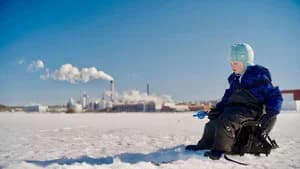
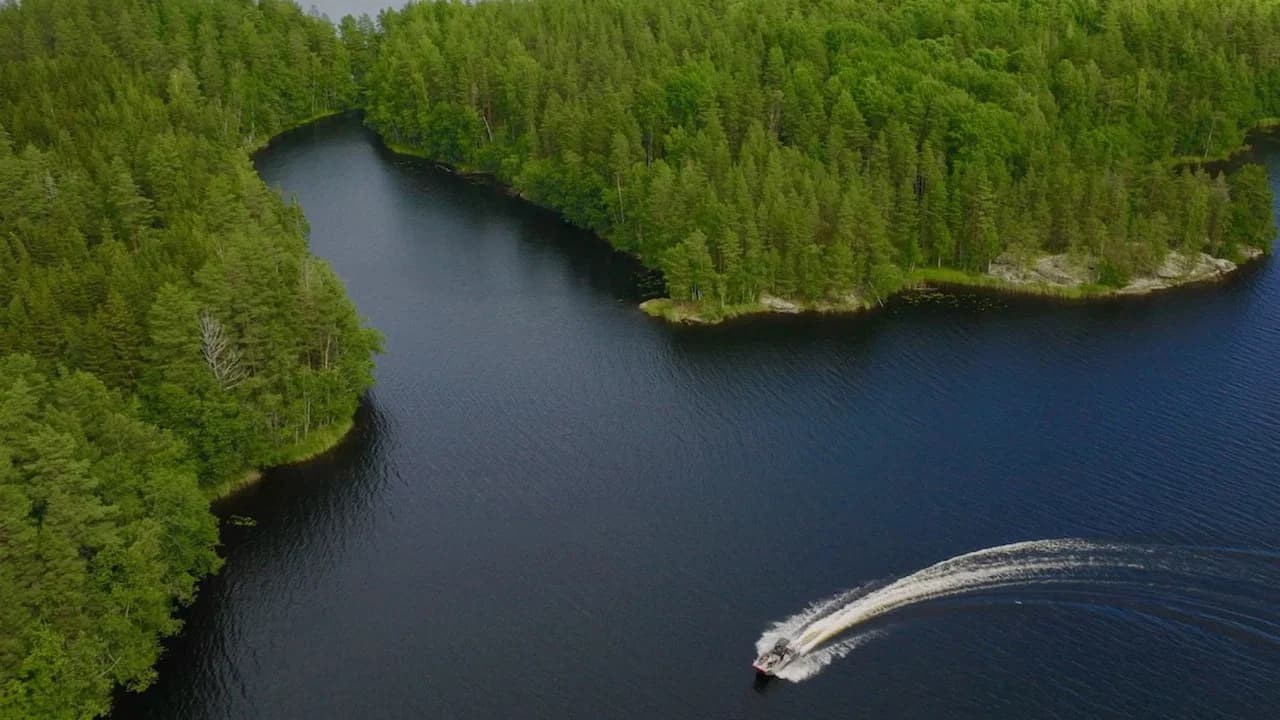
In southeastern Finland, near the Russian border, lies Lake Saimaa, Europe’s fourth-largest freshwater lake and the country’s largest freshwater reserve. Scattered with thousands of islands, it is home to the rare Saimaa ringed seal. Increasingly mild winters threaten the seal’s survival, as it relies on snowdrifts and ice to raise its pups. Peat extraction and forestry also endanger the lake’s delicate ecological balance. Conservationists, ecologists and biologists are finding surprisingly simple ways to tackle these challenges.

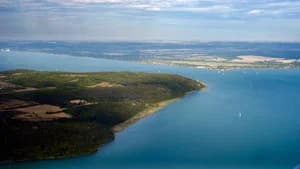
Lake Balaton in Hungary, Central Europe’s largest lake, is a popular holiday destination surrounded by picturesque reed beds and vineyards. Its diverse ecosystem provides a habitat for rare water snakes and hundreds of bird species. However, unchecked development along the shoreline threatens the lake’s delicate ecological balance. Local residents are working to protect this unique natural environment and find ways to reconcile its preservation with a thriving tourism industry.

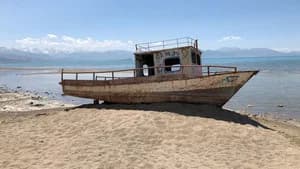
In eastern Turkey, near the Iranian border, lies Lake Van, the world’s largest soda lake. Situated at an altitude of over 1,600 metres, this vast lake stretches for around 100 kilometres and reaches depths of up to 450 metres. Its highly alkaline waters prevent it from freezing completely, even during bitterly cold winters. As the surrounding region grows increasingly dry, experts from various disciplines explore the lake’s fascinating natural world and investigate the effects of a warming climate.

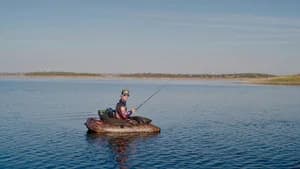
In southeastern Portugal, in the Alentejo region, lies the Alqueva, one of Europe’s largest artificial lakes. Stretching for 85 kilometres, the reservoir has transformed an arid landscape into a vast lake region and provides water for agriculture. Yet the project, which submerged entire villages, remains controversial in an area increasingly affected by climate change and rising summer temperatures. Environmentalists, dam operators and farmers explore the benefits and drawbacks of this massive intervention in the region’s natural landscape.
2024
Lake Ohrid is over 300 meters deep and covers more than 350 square kilometers between Macedonia, Albania and Greece. It is 1.4 million years old. Together with its smaller junior partner, Lake Prespa, which is located just 15 kilometers further east on the border between Macedonia and Greece, it forms Europe’s oldest lake landscape.
Ireland’s largest freshwater lake – Lough Corrib – begins just behind Galway, European Capital of Culture 2020. It covers an area of 200 square kilometers. The largest lake in the Republic of Ireland. Its shores stretch over a length of 400 kilometers. That is more than any other lake in the British Isles. This is where Ireland’s Wild West begins. Sparsely populated, full of rich history and ecologically significant.
Sweden is famous for its lakes Vänern and Vättern, the two largest in the European Union. The country’s third largest lake, Lake Mälaren, is perhaps the most interesting. It was not until the 10th century that this former Baltic Sea bay was transformed into a lake with a vast surface area of 1,100 square kilometers and a depth of up to 66 meters. Water for 1.3 million people is drawn from it. Lake Mälaren lies on the outskirts of Stockholm and is partly part of the metropolitan area.