Loading...
Loading...

Engineering by Catastrophe explores how today’s most advanced structures are shaped by the disasters of the past. From spacecraft and skyscrapers to tunnels and flood barriers, each episode unpacks the engineering innovations behind modern marvels - and the catastrophic failures that inspired them.
Streaming availability information not available
2026
How engineers learn from past disasters, beginning with a look at how NASA studies past space disasters to design safer spacecraft.
Tunnels save time, money, and the environment by providing shortcuts through tough terrain. But they can also be dangerous, especially as today’s tunnels grow longer and deeper. Follow the Brenner Base Tunnel and Fehmarnbelt link to explore how engineers use past disasters to make construction and travel safer.
Flood risks are rising worldwide as storm surges and extreme rainfall overwhelm cities. Tokyo builds vast underground rivers to manage typhoons, while Spain’s Valencia floods highlight the need for early warnings. In New Orleans, storm surge barriers were reinvented after America’s worst flood disaster.
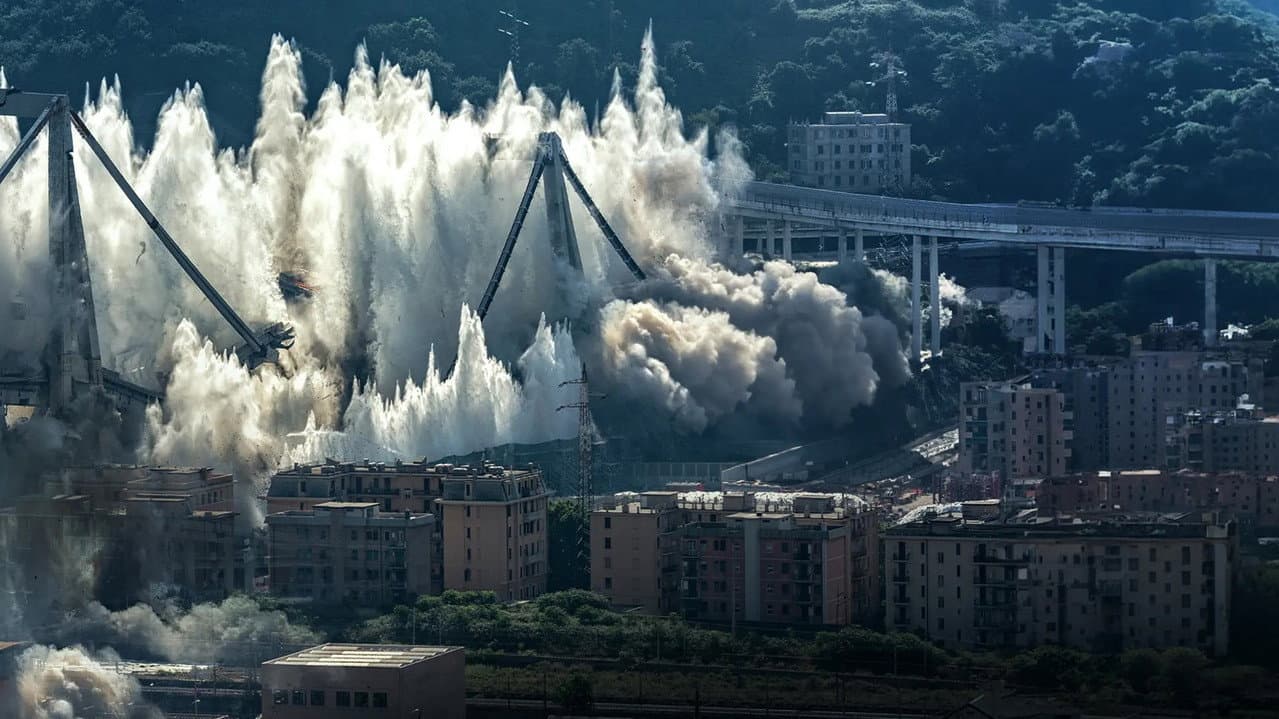
The 2018 Morandi Bridge collapse was a global alarm bell, proving every structure has a lifespan. As demand, traffic and extreme weather grow, engineers rethink bridge safety. Genoa’s new span uses smart monitoring and robotics, while Turkey’s record-long suspension bridge pushes boundaries of innovation, enduring winds, collisions and earthquakes.
The fall of the Twin Towers in 2001 reshaped skyscraper design, sparking global safety reforms rather than ending tall buildings. New standards and shared knowledge have fueled a boom in the supertalls rising in 71 cities. Icons like One World Trade Center and the Burj Khalifa stand on lessons learned from past failures.
Nuclear energy can power cities while emitting no carbon, yet its risks loom large in public memory. Still, it is among the safest power sources, strengthened by lessons from Chernobyl, Fukushima and Three Mile Island. These failures guide engineers toward a safer future and the pursuit of nuclear fusion.