Loading...
Loading...


A 5-minute documentary series unraveling the diversity of Japanese society based on statistical data. Each episode starts with the line "one out of every Japanese is...," focusing on a certain demographic.

2026

Only one in seven fathers take parental leave in Japan, mostly only for under two weeks. This episode follows a man who took a full year off to raise two children, revealing a slice of modern Japan.

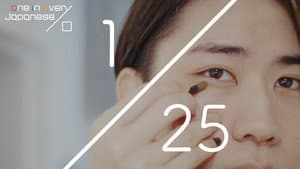
In Japan, one in 25 men now wear makeup daily. This episode follows a web designer in his 30s whose makeup journey began from wanting to hide skin damage, but led to deeper personal changes.

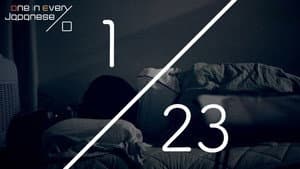
Delayed Sleep-Wake Phase Disorder is common among youth, causes extremely late sleep and wake times disrupting work or school life. We meet young sufferers who seek more flexible lifestyles.

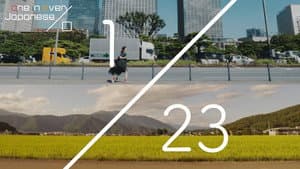
One in 23 people in Japan practice multi-location living. We follow a woman who works as a graphic designer in Tokyo and runs a café in Yamanashi. What joys has she found through this lifestyle?

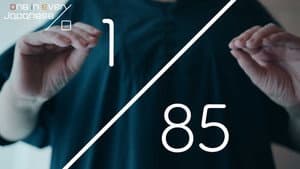
There is only one certified sign language interpreter for every 85 people with hearing / speech disabilities. But tough exams and low pay means newcomers are few, yet vital for the deaf community.

One in 17 students in Japan are Young Carers: children or youth under 30 who provide excessive family care. This episode follows two young carers and shares life lessons from their stories.

A hike can turn unsafe very quickly. In 2023, Japan saw a record high of 2,761 mountain accidents. We follow a veteran hiker lost and injured for six days, revealing how he ultimately survived.

In Japan 6.7 million or one in 19 seniors aged 65+ live alone. In a remote village, the only grocery shop supports the elderly living alone. We find out why one widowed woman is happiest now.

In 2023, one in 27 children in Japan was not attending school, a record high. But children at one free school enjoy themselves. Seeing them thrive reminds adults to see matters from a child's view.

Oshi-Katsu is the fan support of idols / characters through real and social means, which one in five Japanese adults take part in. We explore how this zealous fandom gives life purpose to one woman.
Streaming availability information not available

2025

1 in 156 Japanese are transgenders. In a society still lacking in understanding, we talk to transgender people about work, marriage, leisure, as they try to live their normal daily lives.
1 in 50 families have lost a child during pregnancy or soon after birth. A couple who lost their second son when two hours old talks about their grief and sorrow, a topic often not discussed in Japan.
1 in 2 don't drink in Japan, where intense social drinking is normal. Through interviews of drinkers and non-drinkers we hear both sides, including a couple who went sober and opened a no-alcohol bar.
1 in 1,000 Japanese have experience as a lay judge in court cases. We witness a networking event for former lay judges, where they discuss unique experiences. What does it feel like to judge others?
1 in 10 Japanese got married through online spouse-hunting services in 2020. We interview women who use matchmaking apps, including Manami, who uses multiple apps to find a perfect partner.
1 in 36 people in Japan are foreign residents. As its population declines, we look at Japanese society in a new era of foreign workers, through an IT startup where 90% of staff are foreigners.
1 in 2,500 people started farming in 2022. As we talk to new farmers who've come from totally different industries, we examine the values they have found in this labor-intense yet rewarding field.
1 in 27 people don't own a smartphone. We follow a man who chose not to own one, and his reason not to. What has he gained in life by giving up his smartphone, a modern-day necessity and obsession?
1 in 45 Japanese are suspected of a gambling addiction. We follow a man who made a clean break from gambling, overcoming the crisis of a broken family, and is in the recovery process from addiction.
1 in 30 Japanese suffer from mental illness. We follow a woman who finds it hard to do simple tasks due to her illness, as she goes to rehabilitation for returning to work.