Loading...
Loading...

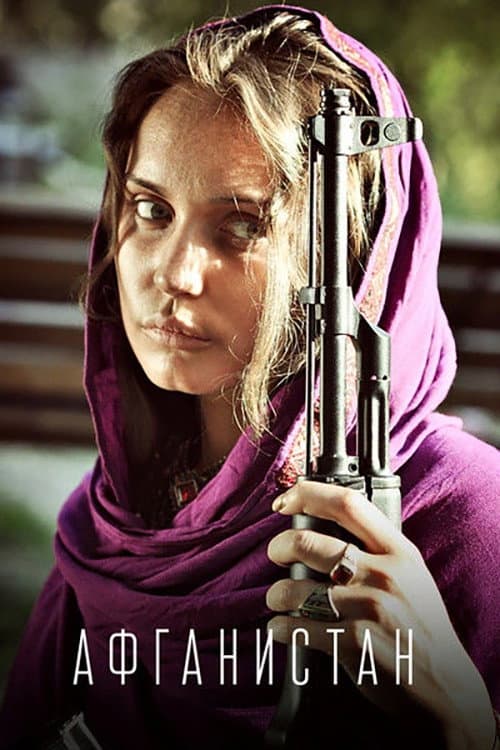
The project attempts to understand the causes of the Afghan War (1979-1989) and to provide the most truthful coverage of all its stages. On a cold day on December 12, 1979, a small circle of members of the Politburo of the CPSU Central Committee discussed the situation in Afghanistan. After much hesitation, four people (Leonid Brezhnev, Yuri Andropov, Andrei Gromyko, Dmitry Ustinov) made the fateful decision to send troops into Afghanistan. Thus began the Afghan campaign – the first and only military operation waged by the Soviet Union outside the Warsaw Pact countries, which became the longest and most “forgotten” war in Soviet history.

2019
On June 30, 1978, an agreement on cooperation between the KGB of the Soviet Union and the security agencies of Afghanistan was signed in Kabul. The Soviet side began to provide advisory assistance in the areas of foreign intelligence, counterintelligence, protection of senior officials and the state border. The murder of a pro-Soviet leader by the leader of the Afghan elite, Hafizul Amin, became a reason to think about sending troops into Afghanistan. Although the Soviet leadership still doubted the expediency of this step...
The KGB task forces were poor at combating the Afghan guerrilla war waged by religious groups with the support of the United States and its allies. The experience of fighting the Basmachi in Central Asia in the 1920s was forgotten, and the experience of other countries was not studied. All this reduced the effectiveness of military operations and led to large and unjustified losses among Soviet troops.
The combat losses of the Soviet troops in the first five years of the war with Afghanistan were the heaviest. The impossibility of resolving the Afghan conflict by force became increasingly obvious. After signing the Geneva Accords in 1986, M.S. Gorbachev announced the beginning of a phased withdrawal of Soviet troops. Which eventually became a symptom of the destruction of the bipolar world order and a prologue to the collapse of the Soviet Union...