Loading...
Loading...


Much of Los Angeles's past is lost to history, but through the region's archives, we can uncover the inspiring dreams and bitter realities that built the modern-day metropolis.
2016

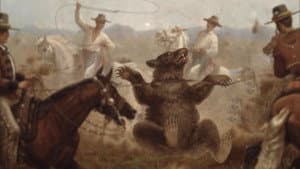
The city of Los Angeles has a complicated relationship with its natural environment, including the weather phenomenon known as the Santa Ana winds and the grizzly bear, an animal once revered by peoples indigenous to Southern California but later targeted by Europeans as a threat to safety and security.

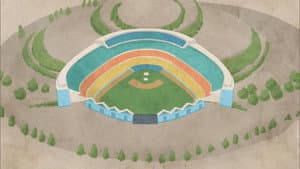
Long before Sandy Koufax threw Dodger Stadium's first pitch, and even before the first residents moved into Chavez Ravine, there were the Elysian Hills. Raised up by tectonic forces, and carved into deep ravines by the ancient precursor of the Los Angeles River, these hills have meant many things to many people.

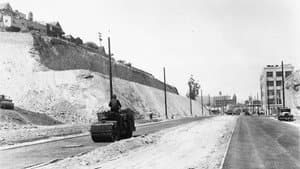
It is often said that Los Angeles has buried much of its history. It has suppressed inconvenient reports, recast the plight of Mission Indians as a Spanish Romance, written entire cultures and communities out of its official historical narratives. But some of Lost L.A. literally lies buried beneath our feet, hidden long ago.
2017

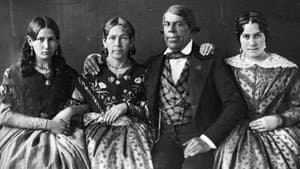
Settlement of southern California began long before America's triumphant march westward from the Atlantic coast, as evidenced by the interconnected lives of three people who lived through California's transition from native land to Spanish colony and from Mexican province to American state.

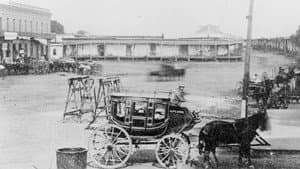
Before Hollywood, Los Angeles was a real frontier town of gunslingers, lynch mobs, and locomotives. L.A. has been reckoning with that past by examining hanging trees, the massacre of eighteen Chinese immigrants in 1971 near what is now Olvera Street, and railroad promotional campaigns depicting Los Angeles as paradise.

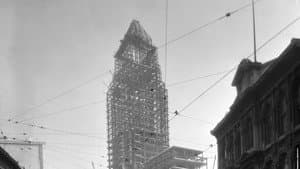
Wood, iron, steel, concrete: these materials gave form to Los Angeles and shaped its identity in the national imagination. But what of the city's cultural legacy and the environmental costs of its relentless growth?

Filmmaker Lois Weber rose to greatness in a nascent film industry that was open to women in creative leadership positions, while the Central Casting Bureau placed minorities in background roles and white actors in leading parts.

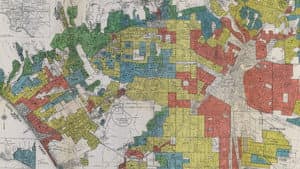
Two underground guidebooks -- The Negro Travelers' Green Book and The Address Book -- reveal the hidden geographies many Angelenos had to navigate, exposing Los Angeles as a place of coded segregation and resistance.

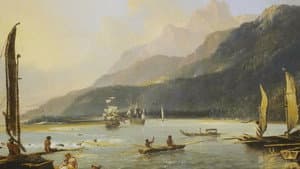
Americans have long looked at the California shore and seen the end of the continent, but that sandy edge is the beginning of a Pacific world -- one that has long influenced Los Angeles through not only geology and climate, but also the transoceanic flows of people, goods, technology, and cultural ideas.
2022

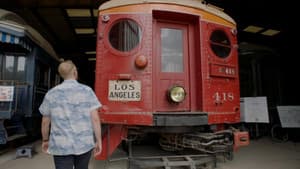
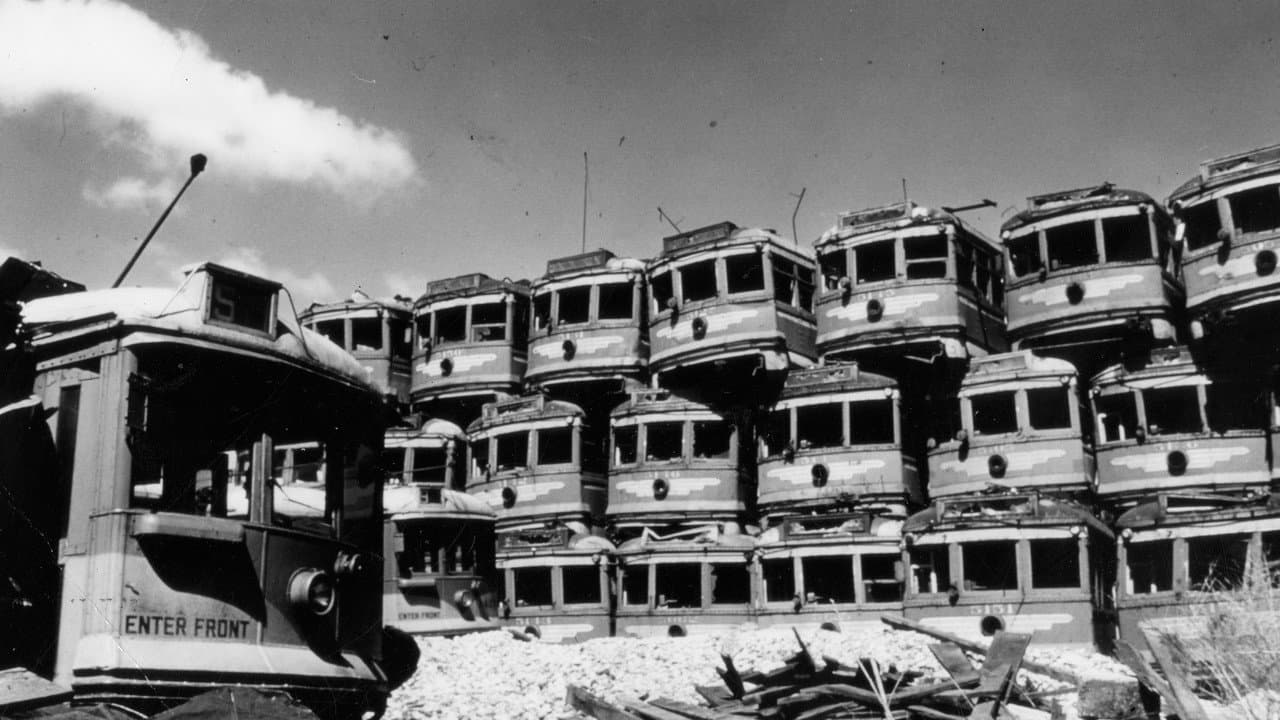
Why did Los Angeles dismantle one of the greatest rail transit systems in the nation? The host rides a restored streetcar with Southern California Railway Museum co-founder Harvey Laner.

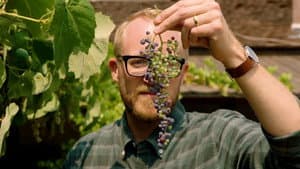
Explore a forgotten age when winemaking was Southern California’s principal industry. The host picks grapes from the oldest vines in Los Angeles with Michael Holland at Villa Adobe.

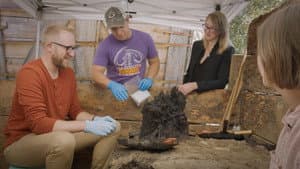
Dig deep into Southern California’s past to reveal lessons for our climate-changed future. The host sifts through an archive of climate change with Emily Lindsey (Assistant Curator and Excavation Site Director, La Brea Tar Pits and Museum) and Sean Campbell (Preparator, Rancho La Brea).

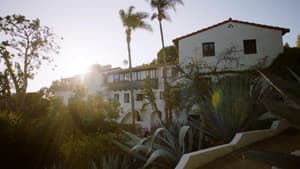
During WWII, L.A. became a sanctuary for Europe’s accomplished artists and intellectuals. The host tours Villa Aurora, a Pacific Palisades house that hosted spirited literary salons.

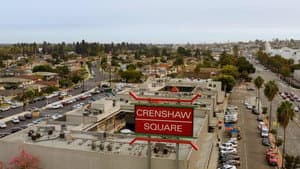
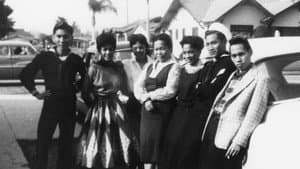
After internment camps, Japanese Americans made L.A.'s Crenshaw neighborhood their home. The host visits Kristen Hayashi, Ph.D., the collections manager at the Japanese American National Museum.
2019

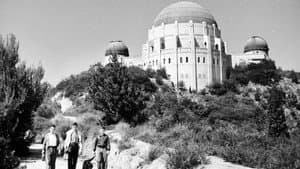
At more than 4,500 acres, Griffith Park is one of the largest municipal parks in the United States. Its founder, the controversial Griffith J. Griffith, donated the land to the city as a public recreation ground for all the people -- an ideal that has been challenged over the years.

2018

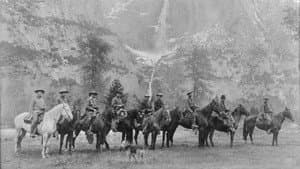
From a land maintained by indigenous peoples, to its emergence as a tourist attraction, to the site of conflict over humanity's relationship with nature, Yosemite is ever-changing.

California deserts have sparked imaginations around the world. From the famously alien landscape of Joshua Tree to the wide expanses of seemingly empty land, the desert has been seen as a place of reinvention -- a blank slate on which to create your dream.
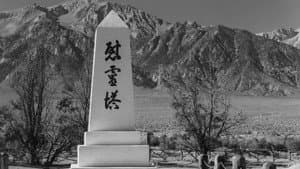
Despite the trauma of their incarceration during World War II, Japanese Americans built new lives while detained at incarceration camps like Manzanar. Three renowned photographers captured scenes from the camp: outsiders Dorothea Lange and Ansel Adams and incarceree Tōyō Miyatake who boldly smuggled in a camera lens to document life from within it.

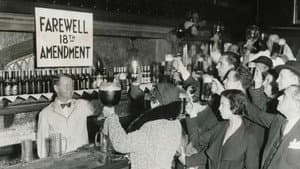
Prohibition may have outlawed liquor, but that didn’t mean the booze stopped flowing. Explore the myths of subterranean Los Angeles, crawl through prohibition-era tunnels, and visit some of the city’s oldest speakeasies.

Although best known for designing the homes of celebrities like Lucille Ball and Frank Sinatra, the pioneering African-American architect Paul Revere Williams also contributed to some of the city's most recognizable civic structures -- all while confronting racial barriers.

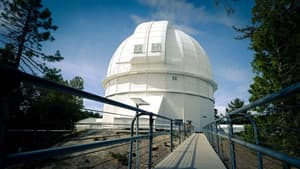
Edwin Hubble, working with the world’s most powerful telescope in the mountains high above Los Angeles, discovered just how vast the universe truly is. Visit the underground vault of the Carnegie Observatories, where paradigm-shifting discoveries are annotated by hand on glass photographic slides, and the historic Mount Wilson observatory.

Explore the lasting impact of the Shindana Toy Company, created out of the need for community empowerment following the 1965 Watts uprising, whose ethnically correct black dolls forever changed the American doll industry.

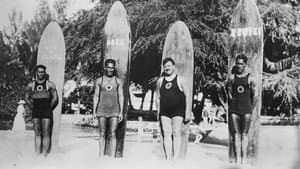
Surfers, bodybuilders, and acrobats taught California how to have fun and stay young at the beach. The 1968 documentary "The Endless Summer" shared those ideas with the rest of the world.

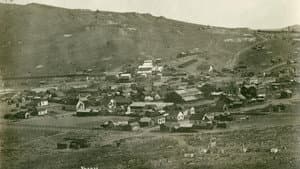
Some California dreams succeeded, creating megalopolis regions in the state’s north and south. Other dreams failed, leaving nothing but ruins: Bodie, a Mono County gold mining settlement that was preserved in time; Llano Del Rio, a socialist utopian community in the Mojave Desert; and Zzyzx, a former health spa on the way to Las Vegas.

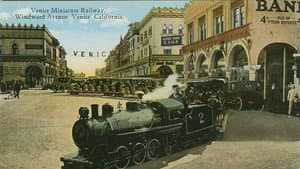
Venice Beach boasts a rich history, from its origins as a themed seaside resort -- Venice of America -- to international fame as a countercultural hub.

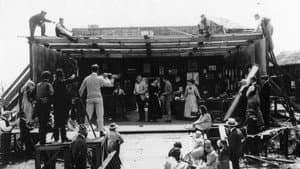
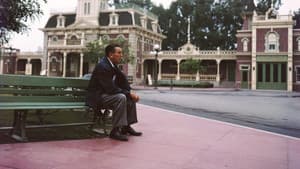
From the 1910s and ‘20s, when early filmmakers built elaborately themed outdoor sets that often remained standing for months or years, Los Angeles has been the place where you can imagine something and then build it -- as exemplified by nearby Anaheim's Disneyland.
2025

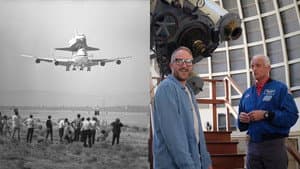
The Space Shuttle Endeavour’s journey is traced from its origins.

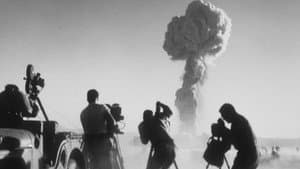
How Cold War vigilance and secrecy shaped Southern California culture.

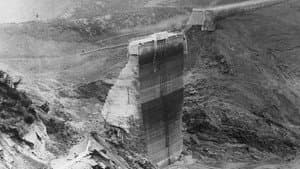
Trace the devastation of the 1928 St. Francis Dam collapse and its deadly flood.

Uncover Disney’s LA roots and how the city became the birthplace of modern animation.

2023

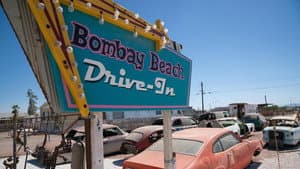
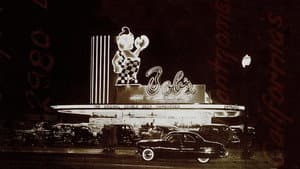
From McDonald’s to Taco Bell, many of the world’s most iconic fast-food chains were born in SoCal. Car culture and the restaurant industry collided in the LA region, forever shaping the way Americans dine and drive.

Filipino Americans work to make their heritage more visible in Los Angeles. The host explores the yo-yo's surprising origin story, tours Historic Filipinotown in a Jeepney, and tastes classic Filipino street foods.

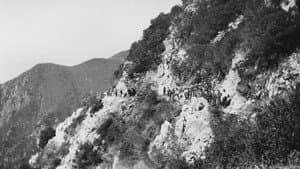
Meet the hikers who led Angelenos onto their local trails, including early wellness guru Paul Bragg. The host explores the origins of Los Angeles hiking, from the Indigenous people who first walked the land to activists like WalkGood LA’s Etienne Maurice, who blaze new paths over familiar terrain.

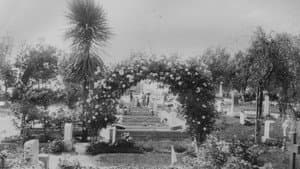
Visit Forest Lawn, Evergreen and Hollywood Forever to see how L.A. reinvented the cemetery. The host visits the gravesites of the rich and famous and learns how racial segregation once divided the dead.

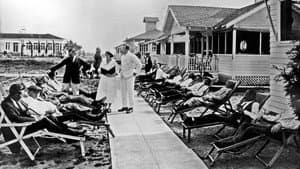
Archives reveal the "forgotten plague” that shaped Southern California: tuberculosis. California’s fresh air and sunshine drew "consumptives" to local sanatoriums, but the life of a TB patient held stark realities.

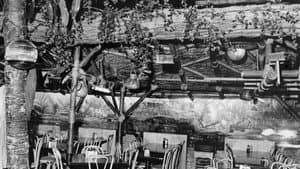
The host explores some of the oldest tiki bars in Southern California, discovering the Hollywood origins of Don the Beachcomber and learning how postwar American pop culture appropriated the rich traditions of the South Pacific.