Loading...
Loading...

The idea for That the World May Know films began in 1992 when Michigan entrepreneur Ed Prince became exposed to Ray Vander Laan's unique method of Bible teaching. Ray, or RVL as he is affectionately known, has always believed that to more greatly understand and appreciate the Bible, one had to have a sense of the land and the culture from which it sprang. Biblical analogies and examples, while meaningful and helpful even to this day, were first meant to convey God's truth to particular people in a particular time and place. So the more fully we can appreciate those times and places, the more fully we can respond to the power of the Word.

1996
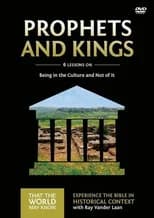
The lesson uses the city of Megiddo, a place with a turbulent history, to illustrate the dangers of pagan practices and the need for believers to be distinct from the surrounding culture. The lesson highlights the horrific practices of Baal worship, including child sacrifice, to emphasize the stark contrast between worshiping false gods and following the true God. These practices, which involved shedding innocent blood, perverted God's gifts of life and sexuality.
The lesson is filmed at Mount Carmel, where the prophet Elijah famously confronted the prophets of Baal and challenged the Israelites to choose between following God and serving the false god, Baal. The lesson draws a parallel between the ancient conflict between God and Baal worship and the "false gods" that compete for people's loyalty in contemporary society. These can include things like materialism, entertainment, and seeking happiness in worldly possessions.
This lesson explores the consequences of sin and the importance of unwavering faith in God, even when surrounded by a culture that has abandoned God's values. Filmed at the ancient city of Lachish, a stark example of God's judgment on those who rebel against Him, this lesson illustrates that ignoring God's values has serious consequences.
This lesson focuses on the concept of God as a shepherd and the importance of trusting in Him, even when facing life's challenges. Filmed in the Negev region, this lesson explores the idea of God as a guiding and protecting presence, leading His people to security and fulfillment.
"God With Us" is the sixth and final lesson in the "Prophets & Kings" volume. It explores the significance of God's presence with His people, drawing parallels between ancient Israel's experience and the reality of God's indwelling presence in believers today.

1995
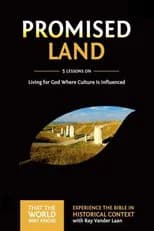
Lesson 1.1 | Standing at the Crossroads Living for God Where Culture Is Influenced The Promised Land, specifically the ancient city of Tel Gezer, served as a crucial crossroads for major trade routes, such as the Via Maris. God intended for Israel to exert influence over the surrounding nations through their faithful lives in this strategically important location. Just as the Hebrew people were shaped by their land and culture, this lesson suggests that the current time and place can influence lives and journeys. The lesson posits that, just as God called the ancient culture of Gezer to impact the world for His glory, all are called to do the same today.
Lesson 1.2 | Wet Feet Living for God Where Culture Is Influenced The lesson focuses on the Israelites' crossing of the Jordan River, a key event in their history and a strong symbol of faith and obedience. The Israelites faced a challenge: the Jordan River at flood stage. This event illustrates the choice between trusting God's power and letting fear control actions. Showing faith was demonstrated by entering the water, even when it seemed impossible. This lesson posits that the same faith that helped the Israelites cross the Jordan at its flood stage can also release God's power in our lives today through full commitment and trust in him.
Lesson 1.3 | First Fruits Living for God Where Culture Is Influenced The lesson explores the biblical concept of first-fruits, which represents the giving of the first and best of one's produce or possessions to God as an acknowledgment that everything comes from Him. This offering was also an expression of faith and trust that God would continue to provide. Jericho, as the first city the Israelites conquered in the Promised Land, served as a "first-fruits" offering to God. God instructed the Israelites to leave it in ruins and not rebuild it, signifying that it belonged to Him. The act of giving first-fruits demonstrated the Israelites' trust in God's ability to provide for their future needs. By giving the first part of their harvest, they expressed their faith that God would bless the rest. The lesson suggests that faithfully giving God our first-fruits allows the world to see God's power and provision, rather than our own. This can impact the culture around us with the gospel.
Lesson 1.4 | Confronting Evil Living for God Where Culture Is Influenced The lesson is filmed in Tel Beth Shemesh, a significant location in the Promised Land, which provides a backdrop for exploring the challenges of living faithfully amidst societal pressures and cultural influences. The story of Samson is used to illustrate the dangers of succumbing to the surrounding culture's evils. Samson, despite his strength, ultimately failed to be a distinct witness for God due to his entanglement with the Philistine way of life. The lesson emphasizes that to effectively influence modern society, believers must live lives that are distinct from the world, exhibiting virtue and godliness. This means living in accordance with God's principles and values, rather than conforming to cultural norms that contradict them.
Lesson 1.5 | Iron of Culture Living for God Where Culture Is Influenced In ancient times, the control of iron technology represented power and influence. The Philistines, with their mastery of iron, initially held an advantage over the Israelites. The lesson explores how, around the time of King David, the Israelites learned to work iron, becoming the dominant culture in the region. It is suggested that David may have learned this technology while living among the Philistines. The lesson draws a parallel between ancient "iron" and the tools and technologies of our modern culture, such as law, education, music, politics, and the internet. These are presented as means by which believers can positively influence the world.

1999

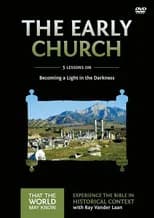
This Lesson delves into the unwavering commitment and faith of early believers in the face of potentially catastrophic repercussions. It also explores the demanding and transformative nature of discipleship within the early church, emphasizing the need for courage, commitment, and community in the face of a challenging world.
This lesson examines Jesus' call to his followers to be a preserving and seasoning influence in the world, it encourages believers to live lives that are distinct, preserving, and influential, having a positive impact on the world around them by living out the values of God's Kingdom.
This lesson takes viewers to the ancient city of Pergamum (also known as Pergamos), located in modern-day Turkey. This city is notable for being one of the seven churches of Asia addressed in the book of Revelation, where it is characterized as the place "where Satan has his throne" and "where Satan dwells". In essence, lesson 3 emphasizes the importance of unwavering faith in the face of spiritual challenges and temptations. It calls believers to live lives that distinctly testify to the power and truth of God in a world that often seeks meaning and significance apart from Him.
This lesson delves into the symbolism and significance of the Mark of the Beast mentioned in the Book of Revelation. This lesson, likely drawing on the early church's context and experiences, explores the challenging message that this apocalyptic imagery presented to early Christians and its implications for believers today.
"Hot or Cold," focuses on Jesus' strong rebuke of the church in Laodicea, as described in the Book of Revelation. This lesson explores the spiritual condition of being "lukewarm" and the importance of genuine commitment to God. In essence, this lesson uses the vivid imagery of Laodicea's water supply to illustrate the importance of genuine, active faith and to warn against spiritual complacency and self-sufficiency. It emphasizes the need for believers to be useful and impactful in the world, actively serving God and reflecting His values rather than becoming lukewarm and ineffective.

2000

2005
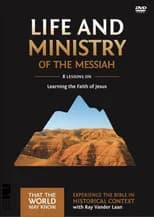
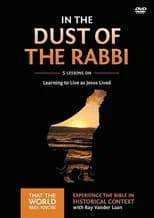
For a first century Jew, to follow a rabbi meant to "be covered with the dust of his feet." When Jesus called His disciples, it was implied that they would begin this process of becoming like Him by following closely in His footsteps. Travel through the Galilee with these followers of Jesus, and allow the dust to cover your feet as well. Scripture References: Leviticus 19:18, Luke 6:4, Matthew 11:30 Locations: Bethsaida, Israel, Korazin, Israel, Scythopolis
Most of Jesus' ministry was spent in Jewish communities, proclaiming the good news of God's kingdom to the people of Israel. His greater intention, though, was for His Jewish followers to bring this message to the Gentile world around them, a world that had not yet bowed its knee to the God of Israel. In this lesson, unpack this process of becoming the message of the gospel to an unfamiliar world with the early disciples. Scripture References: 1 John 2:6, Mark 6:45, Mark 6:48, Mark 12:17, Matthew 8:26, Matthew 14:29, Matthew 22:16-17 Locations: Eremos Topos, Israel, Omrit, Israel, Scythopolis
When the believers began to bring the message of the gospel to the world of the Gentiles, they quickly realized that their faith made them extremely countercultural. How would they explain the good news in places where they couldn't engage in the mainstream culture? Journey through the Greco-Roman city of Priene with the early believers and discover what it means to be countercultural in your own world. Scripture References: Galatians 6:10, Matthew 12:48, Zechariah 4:6 Locations: Priene, Turkey
When questioned about his message, Paul tells the Athenians that the one and only God "does not live in temples made with hands" (Acts 17:24). Naturally, anyone who was curious about Jesus in the Greco-Roman world would ask the early believers, "Well, then where does your god live?" Visit the magnificent temple of Athena in Priene and discover with a Gentile world where the spirit of the living God dwells today. Scripture References: 1 Corinthians 3:16-17, 1 Peter 2:4-5, Acts 17:24, Exodus 23:25, Isaiah 51:1-2, Jeremiah 23:29, Mark 12:28-34 Locations: Priene, Turkey
In ancient times, people craved words of counsel and knowledge from their gods. The city of Didyma in what is now modern-day Turkey functioned as one of three main oracles, places where ordinary people would travel to hear advice and predictions of the future from their gods. In this lesson, explore the mystery of this ancient phenomenon and consider: how far would you go to hear a word from God? Scripture References: Leviticus 19:32, Matthew 4:19, Matthew 28:19-20 Locations: Didyma, Turkey

2006
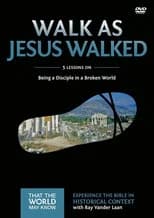
As the gospel of Jesus spread across a Gentile world unfamiliar with the teachings and culture of the Jews, the early church faced an interesting challenge – meeting different cultures in their own context to demonstrate the redeeming power of the kingdom of God. Follow the early believers through the Roman city of Aphrodisias in modern-day Turkey and see firsthand the effectual nature of cultural metaphor in communicating the good news. Scripture References: 1 Corinthians 9:24, 2 Timothy 4:7, Galatians 5:7, Hebrews 12:12 Locations: Aphrodisias, Turkey
After meeting Jesus on the Damascus Road, Paul dedicated the rest of his life to sharing the gospel with anyone and everyone. He soon became one of the major leaders in the early church, focusing much of his effort on reaching out to the Gentiles. Follow along in Paul's early travels, embracing the challenge to imitate his complete submission to the kingship of Jesus Christ. Scripture References: Acts 13:1-99, Acts 26:13-16 Locations: Antioch of Pisidia, Omrit, Israel
The apostle Paul was no stranger to the duties of a rabbi, having studied under one of the most famous rabbis in Israel before becoming one himself. He understood exactly what Jesus meant before His ascension, when He commanded the church to go out and make disciples. In this lesson, follow Paul though the region of Galatia and discover the implications of this command as it reached in increasingly Gentile world. Scripture References: 1 John 2:6, Acts 14:5-7, Acts 14:8-20, John 10:1-18 Locations: Galatia, Turkey, Lystra, Turkey
Jesus told His disciples that anyone who wished to follow Him would have to take up his own cross. Many of the early believers did just that, willingly following in their rabbi's footsteps even when it meant certain death. Count their cost as you follow the stories of some of these ancient brothers and sisters. Scripture References: 1 John 2:6, Colossians 1:24, Matthew 5:11-13, Matthew 16:24 Locations: Cappadocia, Turkey
In his letter to the Corinthian church, Paul wrote that the body of Christ is a unit made up of many parts and when one part suffers, the whole body suffers along with it. Are you aware of the suffering of brothers and sisters, both in your own experience and around the world? In this lesson, follow the rabbi deep into the caves of Cappadocia and honor the suffering, both past and present, of the body of Christ for the sake of the gospel. Scripture References: 1 Corinthians 12:12, 1 Corinthians 12:26, 1 John 2:6, Hebrews 11:32-38, Hebrews 11:39-40, Matthew 16:24 Locations: Cappadocia, Turkey, Derinkuyu, Turkey

2009
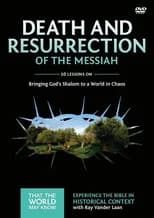
The exodus from Egypt was a metaphor for God's greater redemption story, the restoration of shalom from the chaos of the evil one. His purpose was to invite Israel into a greater story than the one of their bondage, eventually unveiling a plan of restoration for the whole world. The question today is: whose story will you believe and live by? In this lesson, unpack God's plan to eradicate chaos in the context of the exodus, and build on the exodus experiences in your own life. Scripture References: 1 Corinthians 10:1-99, Deuteronomy 32:17, Exodus 12:12, Leviticus 11:45 Locations: Giza Egypt, Thebes, Egypt
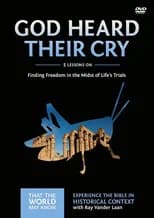
Unable to stand their suffering under a cruel Pharaoh any longer, the Israelites cried out to God. He heard them and initiated his plan to deliver his people, not only from their physical bondage but from slavery to Egypt's story. In this lesson, rediscover with the Israelites the story of their God, the God who heard their cry. Scripture References: 1 Peter 2:1-99, Exodus 1:8, Exodus 1:11-14, Exodus 2:23-24, Exodus 19:5-6, Ezekiel 20:5-8, Genesis 47:5-6, Joshua 24:14-15, Numbers 11:4-5, Psalm 23:1-99, Psalm 78:1-99 Locations: Goshen, Egypt, Medinet Habu, Egypt, Thebes, Egypt
The Lord defied the gods of Egypt with mighty displays of power so that Israel, Egypt, Pharaoh, and ultimately the entire world would see the strength of the one and only God. Pharaoh hardened his heart, but the Israelites responded to the power of their God and, in gratitude, left Egypt and their oppression behind. Follow the Israelites as they submit to God's invitation to join His story. Scripture References: 1 Corinthians 10:20, Deuteronomy 32:17, Exodus 6:7, Exodus 7:1-99, Exodus 7:5, Exodus 8:19, Exodus 12:12, Luke 11:20, Numbers 33:4, Psalm 24:7 Locations: Medinet Habu, Egypt, Ramesseum, Egypt, Temple of Hathor, Thebes, Egypt
As God's plan of deliverance from Egypt for the Israelites unfolded, He began their "basic training," cultivating for Himself a people marked by shalom through obedience to His kingship. The very route they took out of Egypt illustrates this testing. Join Israel as God leads them through the dangers of the Red Sea, and allow your own heart to be tested. Scripture References: Exodus 6:6-7, Exodus 12:1-99, Exodus 12:29, Exodus 14:31, Mark 14:34
The themes of the exodus experience look forward to the good news of God's kingdom, which Jesus would later proclaim. In this lesson, journey beyond the Red Sea and into the desert with the Israelites as you explore the gospel in this context, celebrating the deliverance and the grace-filled work of Jesus the Messiah. Scripture References: 1 Corinthians 3:16, Acts 2:3, Exodus 14:21, Exodus 14:31, Exodus 15:1-99, Exodus 15:2, Exodus 15:6, Exodus 15:11, Luke 11:20, Matthew 6:10

2009
When the Lord brought the Israelites out of Egypt, the Promised Land awaited them, but first God led them into the desert. The time they spent there would not only get them out of Egypt geographically, but would also remove its influence from their hearts. God still uses the desert places of today to give His people opportunities to depend on Him instead of the world around them. In this lesson, follow the Israelites through the desert and discover in their footprints a map for your own walk with God. Scripture References: Deuteronomy 8:2, Deuteronomy 8:2-5, Deuteronomy 21:18-21, Exodus 15:23, Exodus 15:25, Exodus 15:25-27, Genesis 26:34-35, Jeremiah 2:2, Matthew 4:4 Locations: Sinai Peninsula, Qesm Nwebaa, South Sinai, Egypt
In Deuteronomy, God tells Israel that He led them into the desert in order to train and test them, so that He might know what was in their hearts. He still does this for His people today, leading us through experiences to reveal the depths of our hearts and make us worthy of His calling. Are you ready to obey and trust God completely? Scripture References: Deuteronomy 8:2, Exodus 16:1-3, Exodus 16:1-99, Exodus 17:1-7, Exodus 19:1-2, Psalm 78:18 Locations: Wilderness of Sin
God desired a people who would partner with Him in bringing shalom to the chaos of a broken, hurting world. Israel experienced a taste of the peace He brings when He rescued them out of Egypt. In this lesson, you will continue on the road of the exodus with Israel as you witness God's concern for weak and suffering people and His fury against those who would seek to undermine His redemptive purpose. Scripture References: 1 Samuel 15:8, Daniel 7:13, Deuteronomy 25:17-18, Deuteronomy 25:19, Exodus 17:1-99, Exodus 17:11, Exodus 17:14, Exodus 22:25-27, Genesis 4:10, Genesis 49:17, Isaiah 5:7, Isaiah 11:12, Judges 18:1, John 3:14, Mark 2:10, Numbers 21:8 Locations: Rephidim
Over and over in the Bible, God used the image of fire to illustrate His power, holiness, and passionate love for His people. The fire on Mount Sinai when Moses received the Ten Commandments was just such a display of power, highlighting the holiness, the strength, and the passion of His purposes for Israel. In this lesson, approach the mountain with Moses and experience the fire of God in your own life. Scripture References: Exodus 19:1-99, Exodus 19:3, Exodus 19:4-6, Exodus 20:1-21, Matthew 17:1-5 Locations: Mt . Catherine
The covenant at Sinai is often thought of as a wedding between God and His people, between God and the bride He chose for Himself. This became the picture of God's redemptive plan for humankind, fully realized in Jesus' death and resurrection. In this lesson, relive the experience of the Israelites at Sinai as God began to work out His design through this marriage to His people. Scripture References: 1 John 5:3, Deuteronomy 6:4-5, Exodus 6:6-7, Exodus 20:2-3, Exodus 31:13, Exodus 32:1-99, Exodus 32:20, Exodus 33:1-99, Hosea 2:19-20, Isaiah 54:5, Jeremiah 2:2, John 14:15, John 14:23, Numbers 5:17 Locations: Mt . Catherine
There is only one man whom God sends back to Sinai after Moses and the Israelites finished their time there: the prophet Elijah. God's interactions with Moses and Elijah on this mountain not only reveal His character, but also foreshadow the plan of the Messiah to come. In this lesson, delve deeper into the ministry and person of Jesus as you explore the mountain with Moses and Elijah. Scripture References: 1 Kings 19:4, Acts 9:4, Exodus 3:4, Exodus 34:6-7, Malachi 4:5-6 Locations: Horeb

2010
When the tabernacle was established among the Israelites, God came and lived among His people. Its design, construction, and function revealed much of His character, which proved to be completely unlike that of any gods the people had ever known. In this lesson, you will discover the purpose, awe, and comfort that the tabernacle, as a symbol of God's constant presence, provided for the Israelites. Locations: Abu Simbel Temples, Egypt, Timna valley, Israel
God desired a people who would partner with Him in "making space" to reveal Himself to a broken world. The detailed patterns and plans for the tabernacle not only illustrated the kind of care and devotion He wanted to display to His people, but also gave them an opportunity to participate in a tangible way. Walk through the details of the tabernacle as you consider how to make space for God in your life. Scripture References: 2 Chronicles 7:1-3, Exodus 21:1, Exodus 25:8, Exodus 30:11, Exodus 30:17, Exodus 30:22, Exodus 30:23, Exodus 31:1, Exodus 31:12-13, Leviticus 9:23-24 Locations: Timna valley, Israel
Psalm 78 says that God led his people Israel "like sheep through the desert." Their wanderings through the Sinai provide a striking image of God's leading in our lives today. In this lesson, you will follow God's people through this barren desert, remembering the Good Shepherd who encourages us to lead as He leads. Scripture References: Deuteronomy 18:15, Deuteronomy 18:18, Numbers 14:33, Psalm 23:1, Psalm 40:11, Psalm 77:20, Psalm 78:52, Psalm 95:7 Locations: Jebel Musa/Mt. Sinai, Timna valley, Israel
Interestingly, when God chose a person to lead His people out of Egypt by the power of His word, He chose Moses, a man with a speech impediment. In this lesson, consider the implications of allowing His strength to work in weakness as you discover what it means to be continually led by the living Word. Scripture References: 1 Corinthians 10:4, 1 Peter 2:4-5, Deuteronomy 17:14-18, Deuteronomy 34:10-12, Ephesians 6:17, Isaiah 32:2, Isaiah 55:10-11, Numbers 20:8, Zechariah 4:6, Zechariah 12:3 Locations: Timna valley, Israel
The blessings of a good land can often obscure the hard-learned lessons of the desert. In a sense, the real test for the Israelites came after they had crossed into the Promised Land, when their need for God was less obvious throughout daily life. In this lesson, remember to be faithful to obey God's word in every season and circumstance. Scripture References: Deuteronomy 6:10-13, Exodus 7:1, Exodus 19:6, Isaiah 5:1-2, Isaiah 5:2, Isaiah 5:3-4, Isaiah 5:7, Joel 3:18, Matthew 21:33-44, Micah 4:4
A fruitful vineyard requires the cooperation of a community. In this lesson, you will explore the communal nature of producing a vineyard and discover the significant implications that this imagery still has for God's people today. Scripture References: Isaiah 5:1, Isaiah 58:10-12

2010
At times, God chose to use the harsh reality of life in the desert near the Promised Land as a practical teaching tool to mold and shape His people. The Essenes went willingly into this wasteland to allow Him to do just that: to teach them His words and how to walk obediently in His ways. In this lesson, you will catch a glimpse of what it means to travel this path of obedience as you continue to "prepare the way" for the Lord. Scripture References: Deuteronomy 8:1-20, Deuteronomy 18:15, Isaiah 40:1-4, Isaiah 40:4-5, Isaiah 40:6-8 Locations: Dead Sea, Judean Wilderness, Qumran, Israel
John the Baptist focused his life entirely on preparing the Jewish people for the coming of Jesus. His ministry still holds enormous meaning for us today, and there is much we can learn from his understanding of how to prepare for the arrival of Messiah. In this lesson, you will consider what it means to live a life of wholehearted commitment to God, His word, and His kingdom. Scripture References: 1 Kings 17:2-6, 2 Kings 1:1-18, 2 Kings 2:1-25, Exodus 6:9, Isaiah 42:1-25, Isaiah 64:1, Luke 1:1-80, Luke 1:17, Luke 3:1-37, Malachi 3:1-18, Mark 1:10, Matthew 3:2, Matthew 11:2, Matthew 11:14, Psalm 2:1-12, Zechariah 9:1-17 Locations: Aenon (Abel Mehola, Bethany Beyond the Jordan, Jesus Baptized by John, Jordan River, Judean Wilderness, Macherus, Jordan, Mount Carmel, Qumran, Israel
During their forty years of testing in the desert, God continued to teach and shape the Israelite nation. By the time they entered the Promised Land, a new generation had formed, a people who obeyed and trusted God with all their heart, soul, and strength. Follow along as this lesson invites God to reveal what you are lacking, so you can learn to walk in His ways with all your heart, all your soul, and all your strength. Scripture References: 1 John 2:6, Deuteronomy 6:1-25, Deuteronomy 7:1-26, Deuteronomy 8:1-20, Exodus 15:22, Hebrews 5:8, John 6:1-71, Luke 4:1-13, Luke 13:1-35, Mark 1:12, Matthew 12:48, Matthew 16:1-28, Psalm 91:1-16 Locations: Judean Wilderness, Rephidim, Wilderness of Sin
In the story of God making Himself known to His people, Passover is a foundational element. As the continuation of this redemptive process, the Lord's Supper finds its most profound meaning when taken in the context of Passover imagery. In this lesson, you will unpack the full meaning of the Last Supper and learn how to engage it in deep celebration, commemorating Jesus' redemptive work on our behalf. Scripture References: Exodus 6:6, Exodus 12:1-51, John 10:17, John 13:1-38, Luke 22:1-71 Locations: Jerusalem, Israel
The Passover Sedar employs four symbolic cups to help the Jews remember the miraculous ways that God delivered His people from the hand of Pharaoh. In the Garden of Gethsemane, Jesus asked the Father to take away the cup placed before Him, a "fifth cup," in a sense, which signifies the complete deliverance of God's people from the wages of our own sin. In this lesson, you will consider the implications of Jesus accepting this cup of God's wrath so that we could be spared from it, once and for all. Scripture References: Exodus 13:1-22, Jeremiah 25:15, John 18:1-2, John 19:1-42, Luke 22:39, Mark 14:32, Mark 14:33, Mark 14:51, Matthew 26:36, Proverbs 121:4, Psalm 22:1, Psalm 69:21, Psalm 79:6 Locations: Jerusalem, Israel, Kidron Valley, Jerusalem, Israel, Maresha, Israel

2015
When the Israelites left Egypt and began their journey with God to the Promised Land, how much did they know of their past history? Some, like Moses' parents, seemed to have retained a knowledge and faith in the God of their fathers, but the Bible says that many were worshipping idols. Not everyone remembered the God of Abraham, Isaac, and Jacob, but He had big plans to reintroduce Himself and to continue His covenant with Abraham's descendants. In this lesson, join the Israelites as they discover the mission that God has for them and for His people today. Locations: Negev Desert, Tel Arad, Arad, Israel, Timna valley, Israel
In the beginning, God created magnificent beauty and order out of absolute chaos, "tohu vebohu," in Hebrew. When humanity rebelled, the world began a long progression of slipping back into that chaos. Yet God wasn't finished; He decided to choose partners, human partners, to initiate His plan to restore shalom to the broken world. In this lesson, join the Israelites as they flee the chaos of Egypt and stand before Mount Sinai, partnering with the God of the universe as He unfolds His plan of redemption. Scripture References: 1 Peter 2:9, 1 Peter 2:12, Deuteronomy 32:10, Exodus 6:1-99, Exodus 9:1-99, Exodus 19:3-6, Exodus 19:5-6, Exodus 25:1-99, Exodus 28:1-99, Galatians 1:17-18, Genesis 1:1-99, Isaiah 52:1-99, Isaiah 52:7, Luke 11:1-99, Numbers 15:37-41 Locations: Jordan River, Negev Desert, Timna valley, Israel, Wilderness of Paran, Israel
Sheep and shepherds were so much a part of the Biblical world, it's no wonder Jesus uses the imagery as a metaphor in several of His teachings. The shepherds of His day knew every one of the animals in their flock by sight and spent their lives protecting and leading them to food and water. Many in Jesus' audience for the three-part parable of the prodigal son would have been surprised to hear that a shepherd lost his sheep. In this lesson, join Jesus' hearers in a village near Capernaum and learn from the Good Shepherd, the one who lays down His life for His sheep. Scripture References: Exodus 19:6, Ezekiel 34:1-99, Isaiah 52:11, Isaiah 53:6, John 10:11, Luke 15:1-99, Matthew 18:12-13, Psalm 23:1 Locations: Qatzrin, Israel
Of all the parables Jesus told, the one we call "The Prodigal Son" is possibly the most famous. In the story, a younger son demands his inheritance from his father and leaves the family behind, taking his riches to a far country. The implication is not only that he left his family behind, but that he also discarded his Jewish heritage for a Gentile lifestyle. What would it have been like for the prodigal son, arriving in a world where the God of his fathers was no longer the only one to serve? Join the prodigal in the far country and discover for yourself exactly what it means to leave the father's house. Scripture References: Deuteronomy 6:10-12, Deuteronomy 22:12, Exodus 10:16, Exodus 19:6, Galatians 3:28, Luke 15:1-99, Luke 15:13-20, Numbers 15:1-99 Locations: Gerasa (Jerash), Jordan, Qatzrin, Israel
Throughout His ministry, Jesus' compassion for sinners and those considered unclean raised the eyebrows of the Pharisees and the teachers of the law. God's word warned His people not to touch any unclean thing, and they could not understand why Jesus chose to keep such company. In classic Jesus-fashion, He addressed their concerns with a story, a three-part parable about a lost sheep, a lost coin, and a lost son. In this lesson, join Jesus' audience and hear for yourself what He has to say about seeking the lost. Scripture References: Exodus 10:16, Exodus 19:1-99, Isaiah 55:6, Luke 15:1-99, Luke 15:17-24, Luke 15:27, Numbers 15:37-41, Psalm 23:5 Locations: Gerasa (Jerash), Jordan, Qatzrin, Israel

2016
Jesus left heaven to be born in a filthy shepherd’s stable, as if to say, “I’ll leave heaven to enter the brokenness of your world.” Much of His teaching ministry, though, took place in a very different sort of place: Capernaum, the home to some of the greatest Bible teachers in Jewish history. How will these brilliant scholars react to Jesus’ teaching in the synagogue at Capernaum, and how will the enemy respond? Join Jesus and His disciples in Capernaum by the Sea of Galilee as He interprets the text for His first century hearers. Scripture References: Acts 10:28, Job 9:2-8, Jonah 1:1-6, Mark 1:21-28, Mark 4:35-41, Matthew 4:12-16, Matthew 12:22-29, Matthew 14:25-33, Psalm 107:28-29 Locations: Capernaum, Israel, Sea of Galilee
The majority of Jesus’ ministry was done in places like the town of Capernaum, among a people who loved to debate and discuss Torah in the synagogue. They didn’t always agree with each other, but their emphasis was on how to be faithful to God as their king because wherever God is served, the kingdom comes. But one day, after teaching in Capernaum, Jesus looked out across the Sea of Galilee and said to His disciples, “Let’s go to the other side.” Follow the steps of Jesus and the disciples as they enter the world of the Decapolis, a very different kind of kingdom with a very different kind of king. Scripture References: Acts 10:15, Isaiah 65:1-99, Mark 4:35-41, Mark 5:1-20, Matthew 4:12-16, Matthew 8:28-34, Matthew 12:22-29 Locations: Horvat Susita (Hippos), Israel, Sea of Galilee
The Colosseum in Rome is famous for many reasons, not least of which because it was built by the spoils of war from the destruction of Jerusalem, the military defeat of the Jews. In the Roman world, it was assumed that if Caesar was able to defeat the Jewish people, then the gods of Rome must be greater than the God of the Jews. With this worldview in mind, what would happen when early believers in Jesus arrived in Rome and tried to explain to a very different culture that their Messiah had been arrested, sentenced, and executed by an agent of Rome? Follow the rabbi through the ruins of Rome as you unpack the crucifixion of Jesus through the eyes of a first century Roman audience. Scripture References: 2 Corinthians 2:14, Acts 25:10-11, Luke 2:1, Mark 15:16-39, Matthew 27:51-53 Locations: Cinecitta Studios, Rome, Italy, Colosseum, Rome, Italy, Forum of Augustus, Rome, Italy, Jerusalem, Israel
It was customary in the Roman world to consider the emperor a divine being. New emperors would claim this status because they believed that when the previous ruler died, he would ascend to heaven to be seated among the gods, making his successor “the son of a god” back on earth. What would happen when these ascension stories clash with the story of Jesus, who was crucified, resurrected, and then ascended to heaven Himself, to be seated at the right hand of God? Explore the empty tombs at Khirbet Midras and climb the Mount of Olives with the disciples as you discover what it meant for Jesus to rise from the dead and ascend to heaven. Scripture References: Acts 1:1-99, Colossians 2:12, Daniel 7:1-14, Exodus 19:5-6, Luke 24:50-53, Matthew 27:51-53, Matthew 28:16-20 Locations: Jerusalem, Israel, Mount of Olives, Israel
After His resurrection, Jesus spent about 40 days with His followers in Jerusalem and back in the Galilee region, where they had received much of their training. He explained that after His ascension to heaven, He would send them a Counselor, the Holy Spirit, who would no longer remain only in the temple but would now live within each one of them. For a people whose history and culture revolved around the worship of God at the temple, this was a revolutionary development. Join the disciples at the Temple Mount in Jerusalem and unpack the significance of Pentecost in the context of God’s covenant with Israel. Scripture References: 2 Chronicles 7:1, Acts 1:8, Exodus 19:5-6, Exodus 25:8, Luke 2:41-49, Mark 2:1-12, Mark 11:15-17, Matthew 5:34-35 Locations: Jerusalem, Israel, Temple Mount, Jerusalem, Israel

2017
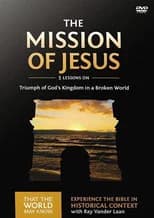
Followers of Jesus believe that the Bible contains the inspired revelation of the Creator of the universe. “Gospel” is the word that’s often used – the good news that God is redeeming a broken world through His Son, Jesus. In the time of the Apostle Paul, the Roman emperors had a gospel, too. Caesar’s good news promised peace and prosperity to those who would bow down to him. What kind of a culture would Paul encounter when he brought the gospel of Jesus outside of the Jewish world? Join Paul as he enters the city of Philippi, a Roman colony. Scripture References: Acts 16:1-99, Philippians 2:1-99 Locations: Gerasa (Jerash), Jordan, Philippi, Greece
Jesus came with a unique message, preaching to the Jewish people that “the kingdom of heaven has come near” (Matthew 4:17). But from the beginning, there was another king who hates the shalom that God creates and loves life’s chaos and brokenness. Jesus had amazing compassion on those who were under the control of this evil one. While some would have shunned them, Jesus seemed to seek these people out, teaching His disciples to do the same. Many years after Jesus’ ascension, the Apostle Paul would meet a young girl who was also under the control of the evil one. Follow Paul through the city of Philippi and see what happens with the power of God confronts the powers of darkness.
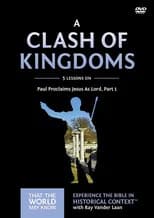
Paul’s missionary journeys were generally marked by conflict. Sometimes, his message clashed with the Jews, who were often skeptical about Jesus or jealous of Paul’s success. Even more often, Paul’s teaching angered the governing rulers of a city, who recognized that the gospel he was preaching directly undermined the authority of Caesar. When they were released from prison in Philippi, Paul and Silas made their way to Thessaloniki, the capital of the Roman province of Macedonia and a leading city in championing the worship of the Roman emperor. How will the Thessalonians react to Paul’s message that King of kings and the Savior of the world is not Caesar, but Jesus? Scripture References: 1 Thessalonians 5:8, Acts 17:1-99, Ephesians 6:14-18, Matthew 5:14-16 Locations: Philippi, Greece, Thessaloniki

2018
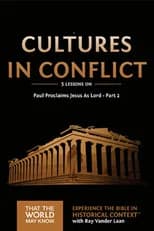
The people of the Bible lived in temple-building cultures. Temples provided pagan gods with a place to live, keeping them close to the people who worshiped them. Even Israel did the same – first Solomon, then Nehemiah and Zerubbabel, and eventually Herod would build or renovate temples for God to dwell in. But God’s plan was bigger than that. God had another temple that He was in the process of building: His people themselves. What would happen when that pagan vision of gods living in huge, ornate temples came face-to-face with the idea of God living within and among His people? Join the Apostle Paul as he journeys to Athens, home to one of the most beautiful pagan temples on earth.
When the disciples arrived with Jesus in Jerusalem, they marveled at the unbelievable beauty of the Lord’s temple. According to the Bible, the original temple built by Solomon was also absolutely stunning. And yet, in both cases it wasn't enough. Solomon said, "Can the heavens contain you, Lord? How much less this temple I've built." Stephen, who would be martyred just after Jesus’ resurrection, testified, "The Lord doesn't live in temples made with hands.” The Athenian people of Paul’s day considered the Parthenon, the temple of the goddess Athena, to be the ultimate in beauty, order, rationality, and perfection. How will Paul communicate to this highly-educated Greek culture that God does not live in temples made with hands? Travel with Paul to Athens to hear his declaration of God’s truth in the shadow of their temples.
When the time came for God to choose a people, He didn’t pick the strongest kingdom He could find. He chose the weak, the nobodies – a family that would become the nation of Israel. God rescued them from Egypt and brought them into the desert, training them to make His name known to the rest of the world. Time passed, but God’s plan remained the same: to bring healing and forgiveness to a broken world through His Son, Jesus. Just like his ancestors, the Apostle Paul would spend time training in the desert before God sent him to preach to the Gentiles. And just like his ancestors, he would discover his own weakness, his inadequacy to complete the task God had given him. Join Paul in the Greek city of Corinth to unpack how God uses the weakness of His partners to demonstrate His strength in a broken world.
The Jews of Jesus’ day lived together as extended families, sharing the family resources. The task of the father was to use those resources to care for everyone who lived in “the father’s house,” as they called it – rescuing them from trouble or paying their debts. The resources would also be used to welcome strangers, caring for outsiders who found themselves in need. As a Jew, the Apostle Paul was certainly familiar with this “father’s house” idea. What would happen when Paul’s message that we are all one in Christ clashed with the hard and fast Greco-Roman class system? Follow Paul to Corinth as he teaches the believers there what it means to be a part of “the Father’s house” in a broken world.
In Paul’s day, the city of Corinth was known for two things: drunkenness and sexual decadence of all kinds. The word “Corinthian” was even used in Greek plays to describe someone with poor morals or drunken behavior. And yet in a community like this, a church was born – a community of believers who has bowed the knee to Jesus Christ. These were people who came from Corinth, who had been shaped and molded by the culture around them. How would they live out the Jesus message when all of their friends, businesses, and political leaders were intertwined with this decadent, drunken world? Join Paul in Corinth and discover with the believers there how to live and preach in the “Corinth” you call home.
Streaming availability information not available

2011
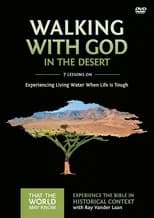
In the Bible, the desert is an image of great hardship and suffering, signifying the impossibility of survival without access to basic resources. God often led His people through desert places, using the barrenness of the land as opportunities to teach them how to depend on Him for everything. Consider your own barren places as you prepare to travel through the deserts of the Middle East in search for the presence of God. Scripture References: 1 Corinthians 0, Deuteronomy 32:10, Genesis 1:1 Locations: Ein Gedi, Israel, Giza Necropolis, Al Ahram, Al Haram, Giza, Egypt, Timna valley, Israel
The heat and intensity of the sun in the desert can be scorching, often without any guarantee of relief. Yet whenever God led His people there, He promised to provide exactly what they needed to make it through each day. In this lesson, wander the desert near the traditional Mount Sinai and keep your eyes open for the shade God provides. Scripture References: Acts 5:15, Genesis 21:15, Isaiah 32:1-2, Psalm 80:8-10, Psalm 121:5, Revelation 7:16-17 Locations: Sinai Peninsula, Qesm Nwebaa, South Sinai, Egypt
The Bible compares those who trust in the word of the Lord to great trees planted by streams of water. What would this image mean to someone living in the desert, where water is scarce and trees are few and far between? Is it possible to live out this promise, even in the desert places? In this lesson, follow the rabbi through the wadis of the Sinai desert and discover the streams that God has prepared for His people. Scripture References: Genesis 21:33, Isaiah 31:4, Jeremiah 17:5-6, Jeremiah 17:7-8, Psalm 1:1-3, Psalm 1:2-3 Locations: Sinai Peninsula, Qesm Nwebaa, South Sinai, Egypt, South Sinai, Egypt
Some of the dangers in the desert are slow to develop: the build-up of scorching heat from the sun, the slow evaporation of streams, the depletion of food supplies. Others are more sudden; the flash floods of desert wadis can come out of nowhere, engulfing everything in their path in a matter of instants. In the deserts places of our lives, those are the moments when all we can do is cry out in terror and ask God for dramatic deliverance. In this lesson, wander through the Wilderness of Judea and remember God's dramatic deliverance of His people from moments of sudden danger. Scripture References: Matthew 7:26-27, Psalm 23:2, Psalm 40:2, Psalm 69:1-2, Psalm 124:1, Psalm 124:4-5, Psalm 126:4 Locations: South Sinai, Egypt
After their escape from the might of Egypt, the Israelites spent forty years wandering in the desert of Sinai. But were they really wandering? The Bible says that God led them like a flock, like sheep through the desert with a pillar of cloud by day and fire by night. Israel wasn't lost; there are many paths in the desert, but they were following the new path that God was carving out for them. In this lesson, enter their desert and discover how in the midst of life's struggles, God shapes a path, providing for His people every step of the way. Locations: Timna valley, Israel
Egypt was a culture for the eyes. Temples, palaces, histories, and statues of their gods were impressively created to dazzle the eyes of all who saw them. After delivering Israel from Egypt and "punishing" the gods of Egypt (Exodus 12), God didn't ask His people to begin building great monuments to His name. Instead, He led them into the desert, where they would learn to become a people of the ears, rather than the eyes. Israel's time in the desert was not time lost; God led them through the wilderness to teach them trust, obedience, and reverence for His words. In this lesson, join Israel as you, too, learn to listen for God's voice.
Many of King David's psalms use the imagery of the desert, both in a symbolic sense and as testimonies of time actually spent running for his life through the wilderness. When David was in the desert, the promises God made him had yet to be fulfilled, and he experienced not only the literal pain of a barren land,but also the emotional dryness of a desert moment in his life. Yet this was also a time when David clung to God more fervently than ever before. David writes that in this dry and weary land, he looked upon God in His sanctuary and decided to keep praising Him, because God's steadfast love was better than life itself (Psalm 63). Even in the barren places, God's sanctuary is present. In this lesson, join David in the wilderness as you, too, search for God.