Loading...
Loading...


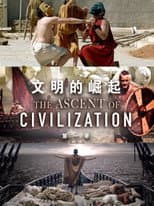
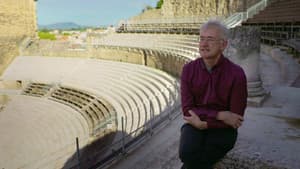
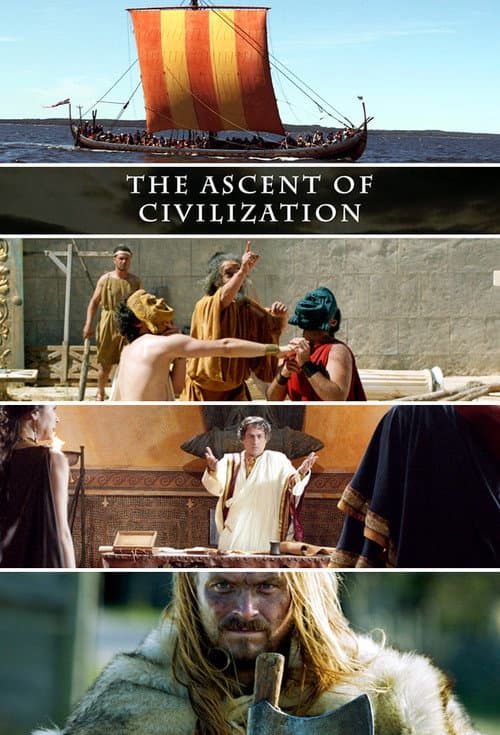
The Ascent Of Civilsations’, questions the myths and unravels age-old clichés about some ancient cultures. It examines their strange and sometimes amusing idiosyncrasies, gives fresh insights into who they really were, and provides a novel take on their societies, peppered with surprising new revelations. This is a new look at the Ancients that will change our perception of them.

2014

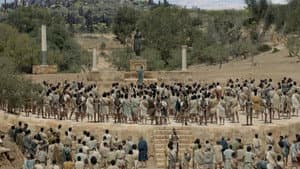
How the Greeks Changed the World is a fascinating and fun exploration of ancient Greece and its inheritance, from mischievous Gods to the birth of democracy, from modern science and theatre to the Olympic Games.

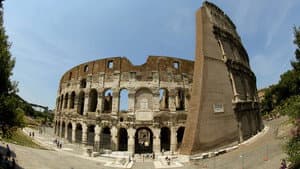
As one of the greatest empires the world has ever seen, the Romans dominated much of Europe with a support-network of politicians, a huge professional army and forward-thinking engineers: How the Romans Changed the World explores their ground-breaking era.

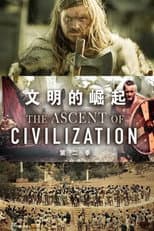
The Vikings revolutionised exploration and trading in the Middle Ages and discovered America 500 years before Columbus - this nation of seafarers and merchants comes under the spotlight in How the Vikings Changed the World.

2016

The Carthaginians were sly merchants and cruel child killers - at least according to the Ancient Romans and Greeks. But research shows that they weren't as bad as their reputation. The Carthaginians' story began around 3,000 years ago, when settlers left their homes in what is now Lebanon to set up new colonies around the Mediterranean.

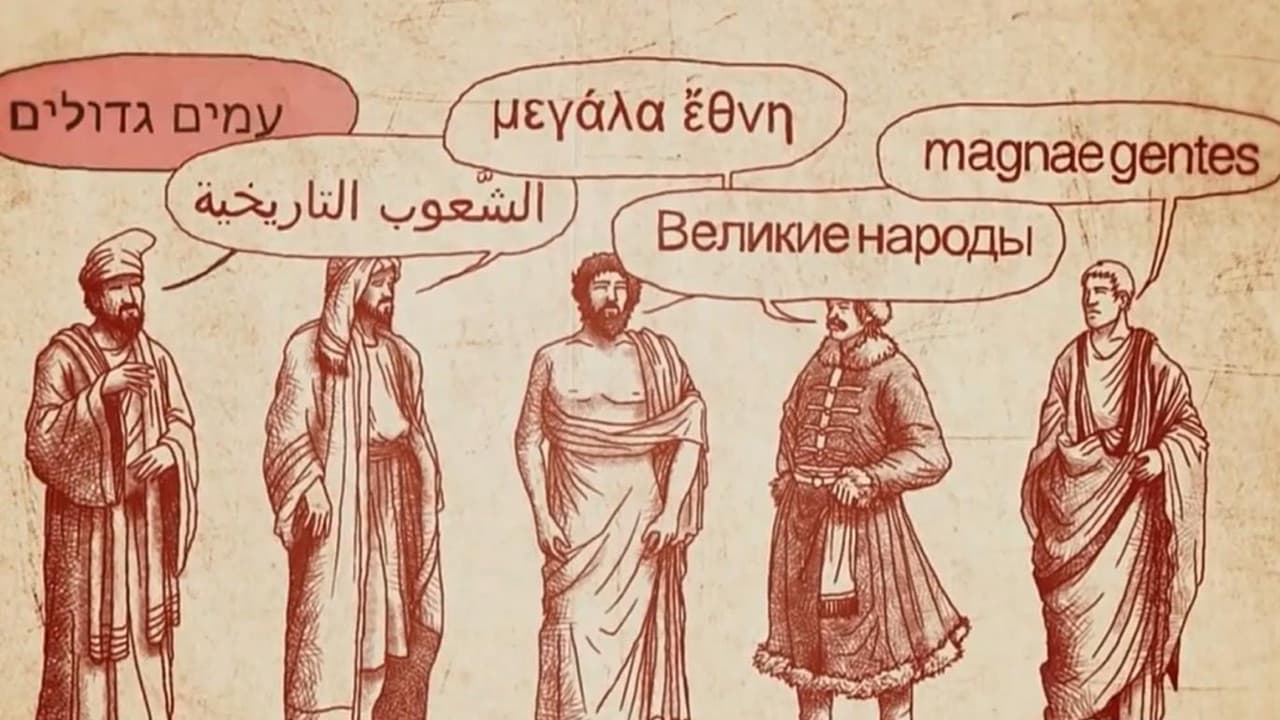
There is barely a country in Europe that cannot look back on Germanic roots, though there has never been one unified people. The term 'Germanic' actually refers to a number of tribes and clans that lived in Central and Northern Europe from the 6th century BC. Gaius Julius Caesar is said to have used it when talking about the Gallic war.

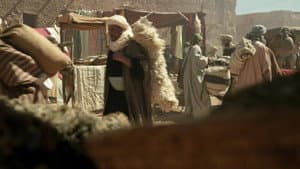
The Arabs have been bringing knowledge of the ancient world to Europe since the 8th century. In the fields of medicine, mathematics or philosophy, their scholars were far beyond their time and still affect our world today. For a long time the Arabs were estranged, not united by one nation or leader. They had little in common but a shared language.